Vance Flies to Switzerland for Secret Iran Talks as Lebanon Fighting Threatens Nuclear Deal
Vice President departs for nuclear negotiations with Tehran • Iranian foreign minister already on the ground • Lebanon ceasefire violations dominate agenda | The first real test of Trump's Iran deal (World News)

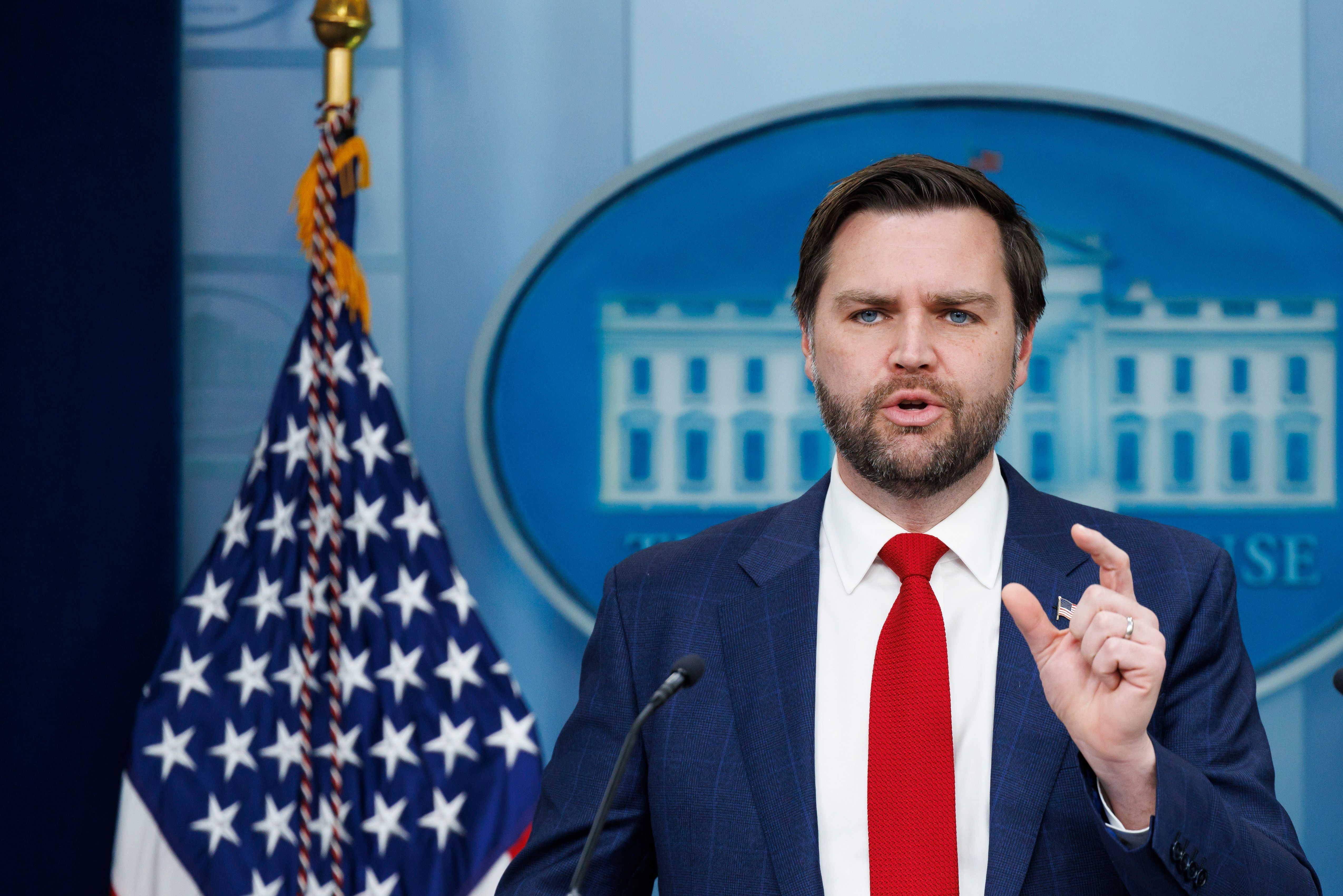
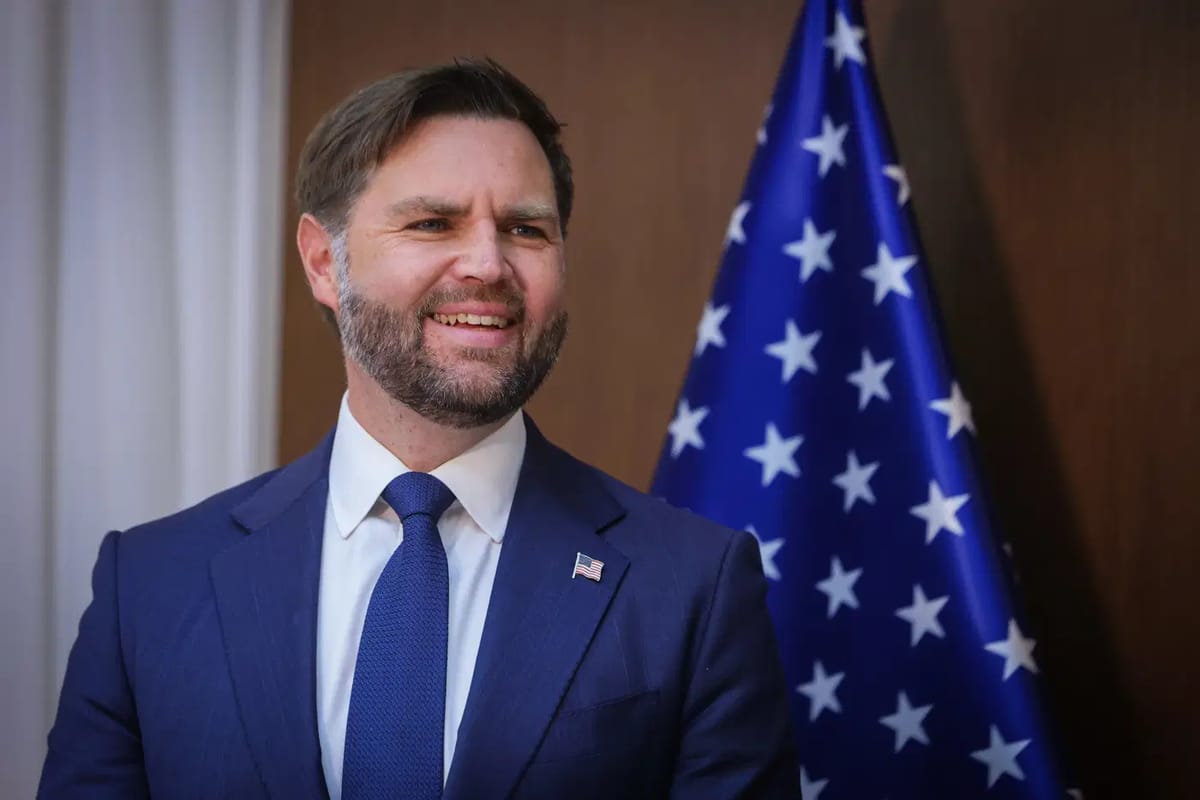
Vice President JD Vance departed late Saturday night for Switzerland, where he will lead high-stakes negotiations with Iranian officials on the nuclear program and the deteriorating ceasefire in Lebanon. The talks represent the first major test of the Trump administration's controversial memorandum of understanding with Tehran, signed just days ago amid fierce domestic and international criticism.
"I'll be there for two days," Vance stated before boarding Air Force Two. "Hopefully we'll see progress on the nuclear file and on the ceasefire issue in Lebanon — those are the two things we need to focus on."
Iranian Foreign Minister and Parliament Speaker Mohammad Bagher Qalibaf have already arrived in Switzerland and are expected to participate in the discussions, according to sources familiar with the arrangements. The Iranian delegation's early arrival signals Tehran's urgency to address what it views as American failures to enforce the Lebanon ceasefire terms.
Iran Demands U.S. Stop Israeli Strikes
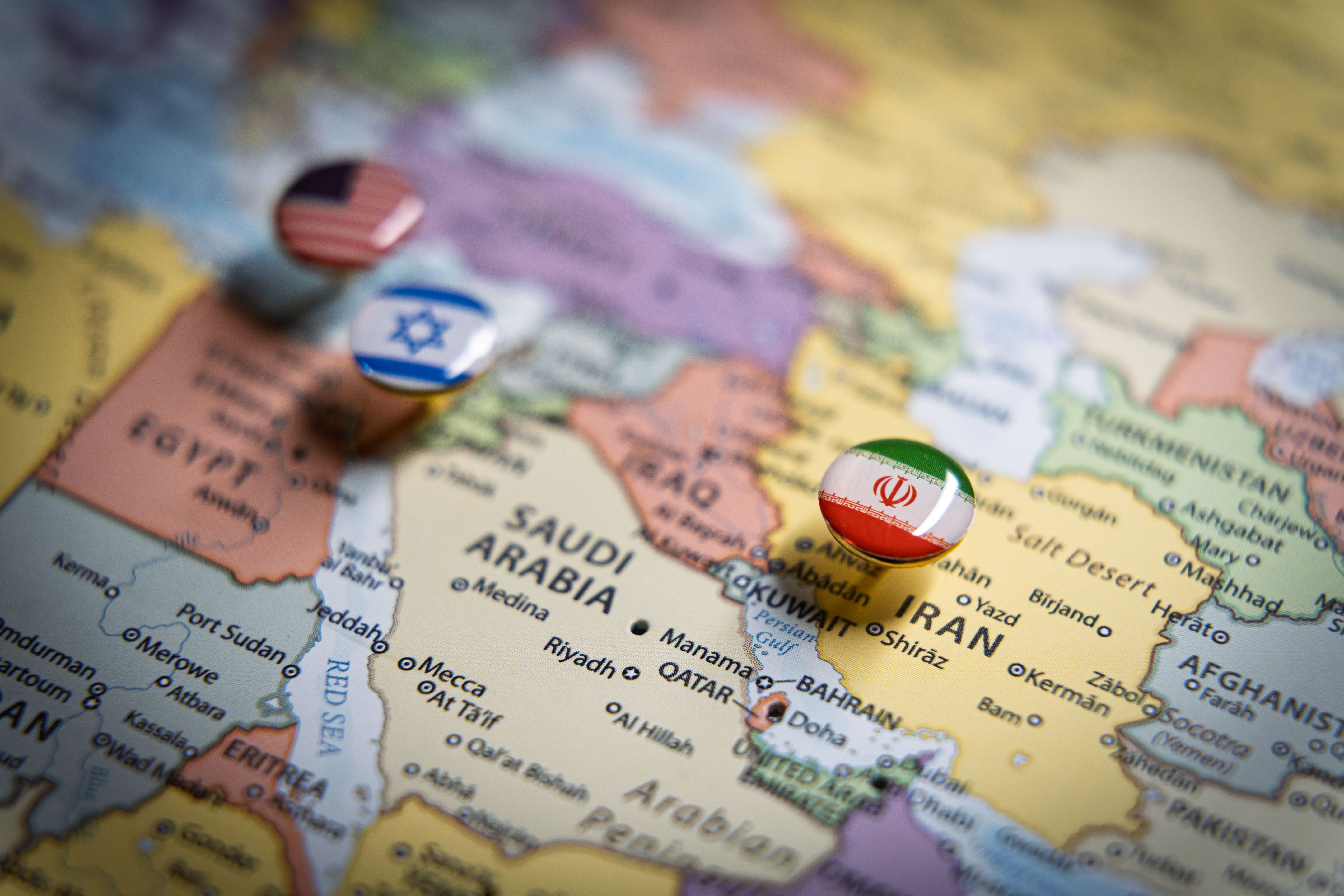
Iranian Foreign Ministry spokesman Ismail Baghaei made clear Saturday night that Tehran expects Washington to halt Israeli military operations in Lebanon as part of the existing understandings. "Iran views this as part of the current agreements," Baghaei declared. "Failure to implement commitments will endanger the understanding."
The warning came as Israel continued striking Hezbollah targets across southern Lebanon despite an American-announced ceasefire that took effect Friday afternoon. The disconnect between Washington's public declarations and Jerusalem's operational reality has emerged as the central obstacle to implementing the broader U.S.-Iran framework.
A senior Israeli political source confirmed Saturday evening that Prime Minister Benjamin Netanyahu has reiterated Israel's position: "Israel will remain in the security zone for as long as necessary to defend its northern border." Netanyahu instructed the IDF to respond forcefully to any Hezbollah attack and to continue removing threats against Israeli forces, according to the source.

IDF Strikes 300 Targets, Eliminates 100 Terrorists
"In response to Hezbollah attacks over the past two days, the IDF struck 300 terror targets and eliminated approximately 100 terrorists," the senior Israeli official stated. "If Hezbollah continues attacking us, we will strike them again with force."
The military operations have drawn sharp criticism from IDF commanders on the ground, who expressed frustration with what they described as politically imposed restrictions. "They tied our hands," soldiers operating near the Litani River told Israeli media, noting that forces were positioned directly adjacent to a major Hezbollah command facility when the ceasefire order arrived.
Vance acknowledged the Lebanon tensions before departing, telling reporters that despite alarming headlines, "the situation there is actually improving, and the escalation is calming down to some extent." He described the challenge as breaking a cycle of tit-for-tat strikes: "The main problem is someone shoots, then the other side responds, and you get this chicken-and-egg situation. We just need to stop the fire exchange long enough to let the ceasefire hold. That's what we're going to try to do."

Nuclear Talks Face Lebanon Obstacle
The Switzerland negotiations were originally scheduled to focus exclusively on technical implementation of the nuclear memorandum, including verification protocols and sanctions relief timelines. But Iran's insistence on linking the talks to Lebanon ceasefire enforcement threatens to derail the entire framework before substantive nuclear discussions can begin.
The Vice President's trip comes amid mounting domestic criticism of the Iran deal, with Vance himself describing Israeli concerns as a "freakout" stemming from mistrust rather than facts. In a podcast interview this week, Vance emphasized that U.S.-Israel relations are based on shared interests rather than personal trust, stating bluntly: "I don't trust anybody."
Secretary of State Marco Rubio and the entire national security team remain actively engaged in managing the Lebanon crisis from Washington, according to administration officials. The White House has maintained that commercial shipping through the Strait of Hormuz continues normally despite Iranian threats, with U.S. Central Command reporting increased traffic Saturday as American forces operated in the area to support freedom of navigation.
The outcome of the Switzerland talks will determine whether the Trump administration's gamble on direct engagement with Tehran can survive its first major crisis, or whether the Lebanon fighting will unravel the nuclear framework before implementation even begins.