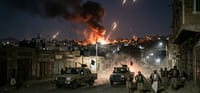
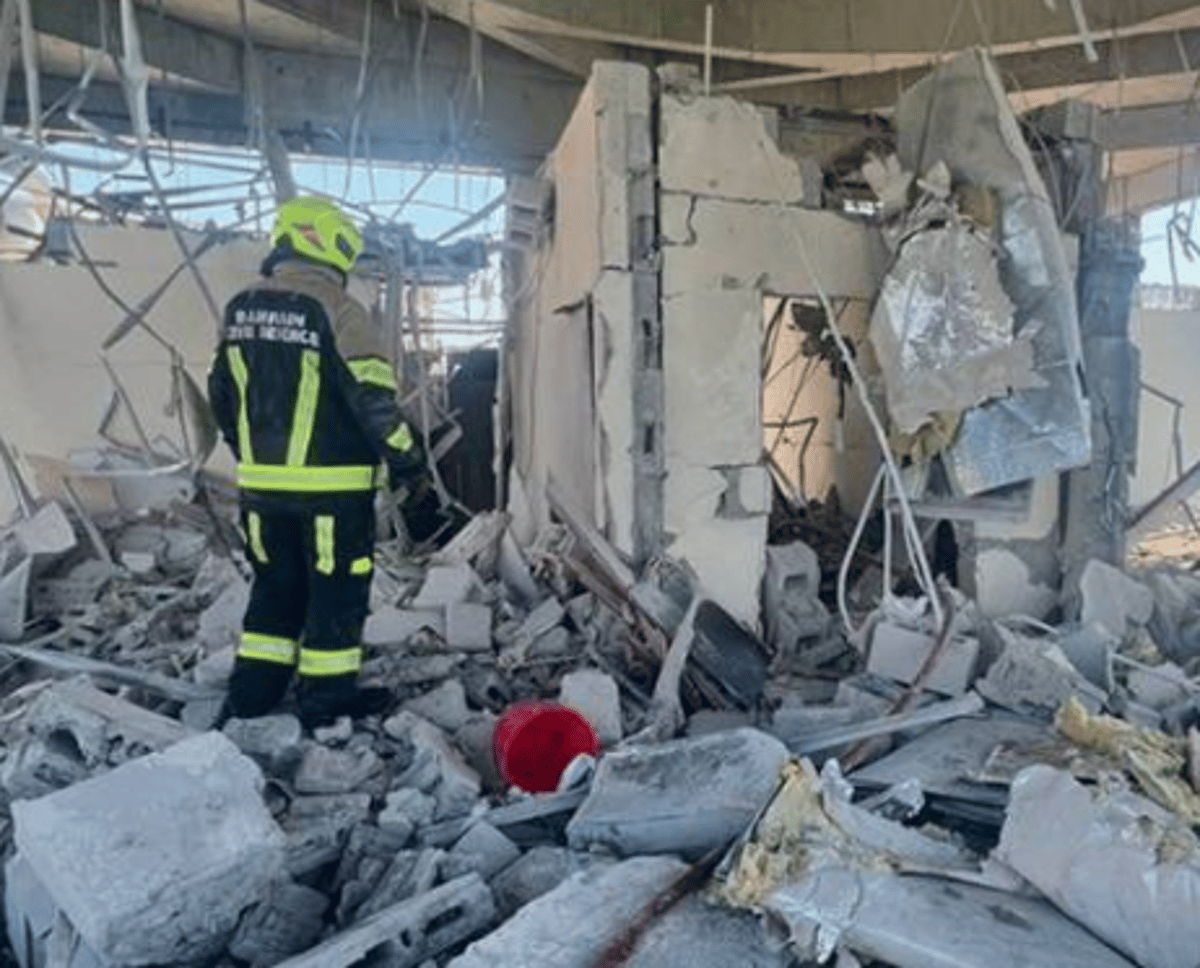
The ink on the Versailles memorandum of understanding had barely dried when Iran's Revolutionary Guards launched Fateh-110 ballistic missiles at American bases in Kuwait and Bahrain in the early hours of Sunday morning. They posted the video themselves, nighttime launches, trails of fire, operatives screaming "Allahu Akbar" as each missile arced toward its target, propaganda posters promising coffins and wheelchairs for American soldiers.
This is what Iran does with agreements. It signs them, and then it tests them, and then it dares you to do something about it.
The MOU framework that emerged from the Versailles summit was sold to the world, and to a skeptical Israeli public, as a first step toward resolving the most dangerous military confrontation in the Middle East since the Yom Kippur War. The deal committed both sides to sixty days of further negotiations, promised a ceasefire, and deferred the hardest questions: Iran's enrichment program, sanctions relief, the Strait of Hormuz. In exchange for signing, Tehran conceded nothing verifiable and gave up nothing tangible.
What we are watching now is not a ceasefire breaking down under the pressure of events. It is Iran executing a deliberate strategy. Attack a commercial vessel in the Strait of Hormuz. Absorb a U.S. strike. Attack another tanker. Absorb another strike. Launch ballistic missiles at American bases. Post the video. Then warn Washington that any further response will "bring all ongoing diplomatic processes to a complete halt."
Iran is threatening to walk away from negotiations, negotiations it used as cover to regroup, rearm, and now re-escalate, as if the withdrawal itself were a punishment America should fear. After everything that has happened since February 28, after Operation Lion's Roar, after the death of Khamenei in U.S.-Israeli strikes, after the Hormuz blockade and its global economic consequences, Iran's leadership has concluded that the MOU gave them more than the war took away.
They may be right.
Here is what the past week has made clear: Iran did not sign the MOU because it was defeated. It signed the MOU because it was calculating. The ceasefire bought time to assess damage, absorb the shock of losing its Supreme Leader, and test how far the new American posture would actually go. The answer, apparently, is not very far. U.S. strikes have been calibrated and targeted, radar installations, drone storage, coastal sites. Iran's response has been escalatory and symbolic, tankers, Gulf bases, propaganda videos designed for maximum domestic consumption.
The regime is not deterred. It is probing.
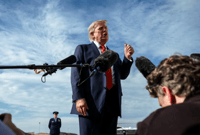
And where is Israel in all of this? Watching, mostly. Watching the MOU talks from which it was excluded. Watching Washington negotiate the shape of the Middle Eastern order with the country that has spent forty years promising to destroy the Jewish state. Watching Trump call Erdogan his friend one day and praise the MOU the next.
The MOU was supposed to end the war. What it may have ended instead is the possibility of a deal that actually constrains Iran's nuclear program. Sixty days of technical negotiations, we were told. Sixty days to agree on what the MOU itself refused to specify. Meanwhile, Iran is testing ballistic missiles against U.S. bases and calling it a ceasefire.
The Jewish people have a phrase for this kind of wishful diplomacy. We call it hoping the bear will become a vegetarian if you just stop feeding it meat.
The bear is not becoming a vegetarian. And the meat it wants has always been us.