
Israel’s latest operation in Syria may have bought valuable time.
The strike on the Abu Duhur air base reportedly damaged its runway and storage facilities amid Israeli concerns that Turkey was preparing to expand its military presence there.
The operation was necessary.
It was also insufficient.
A runway can be repaired. A weapons depot can be rebuilt. Radar systems can be replaced. Turkish personnel can be moved to another location.
As long as the government in Damascus remains determined to construct a powerful Islamist military machine, Israel will be forced to return every few months and destroy another piece of infrastructure.
This is not a strategy. It is an attempt to stop a continuing military buildup one shipment at a time.
Israel must stop treating Syria as a collection of isolated targets. The source of the threat is not one air base, convoy, or weapons warehouse.
The source of the threat is the regime itself.
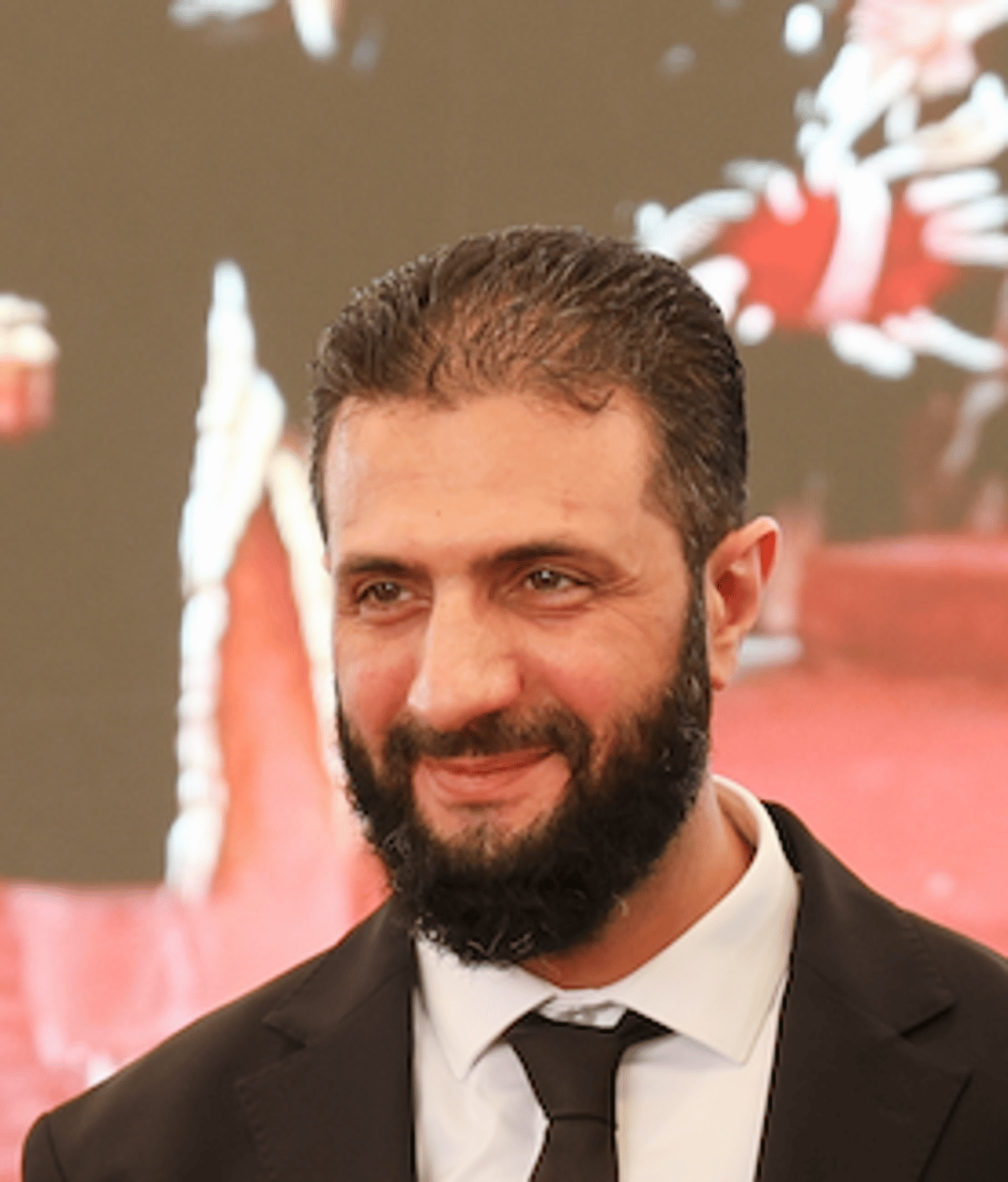
Ahmed al Sharaa may now wear a suit and receive foreign diplomats, but he was previously known as Abu Mohammed al Golani. He built his power as the leader of Hayat Tahrir al Sham and emerged from the world of Al Qaeda and Sunni jihadism.
A change of clothing does not prove a change of ideology.
The international community wants to believe that al Sharaa has become a pragmatic statesman. Western governments are desperate for stability after years of civil war, and Turkey presents the new Syrian government as a legitimate partner that can reunify and rebuild the country.
Israel cannot afford to base its security on this fantasy.
The Islamist character of the new Syrian order is becoming increasingly visible. Syria’s armed forces are absorbing former jihadist factions. Turkey is providing military training, logistical assistance, weapons systems, and institutional support.
Ankara is not merely helping Syria recover from war. It is working to shape a new Syrian military and political order under Turkish influence.
That order is being constructed directly north of Israel.
The ideology of the new army should also concern Jerusalem. During a military parade attended by Syria’s leadership, soldiers chanted in support of Gaza and promised that their enemy’s blood would flow in rivers.
Armies reveal their values through the songs they teach their soldiers.
Some officials argue that al Sharaa is preferable to chaos, ISIS, or another civil war. That may sound reasonable, but stability is not automatically an Israeli interest. A stable enemy can be more dangerous than a divided one.
If the current government succeeds in unifying Syria, rebuilding its army, receiving advanced Turkish weapons, and establishing air defenses that restrict Israeli operations, Jerusalem may soon confront a far more serious threat.
The fall of Bashar Assad created a rare strategic opportunity. Iran’s military network was weakened. Hezbollah lost its Syrian supply corridor. The Syrian army collapsed. Russia reduced its influence.
Israel should have used that moment to shape the political future of Syria.
Instead, it allowed al Sharaa to consolidate power, gain international recognition, and present his former jihadist movement as a legitimate government.
Israel must now correct that mistake.
Seeking regime change does not mean occupying Damascus or assuming responsibility for governing Syria. It means making the replacement of the present Islamist order a clear strategic objective. Israel should prevent the consolidation of a centralized hostile army. It should support a decentralized political structure that protects the Druze, Kurds, Christians, Alawites, and pragmatic Sunni communities. It should work with regional and international partners to ensure that neither Turkey nor any other hostile power can transform Syria into a military platform against Israel.
Diplomatic pressure, intelligence cooperation, assistance to threatened communities, and military force when necessary should all serve that objective.
The goal must not be permanent chaos. It must be a different order that cannot threaten Israel or massacre Syria’s minorities.
There are risks in any attempt to change a government. But passivity is also a decision, and it carries risks of its own.
Israel has repeatedly paid a terrible price for allowing enemies to organize, arm, and entrench themselves while officials insisted that deterrence and limited operations would be sufficient.
It cannot repeat that mistake in Syria.
Destroying one runway may stop one Turkish deployment.
It will not stop the political project behind it.
Israel does not need another endless campaign against weapons depots and military bases. It needs a strategy that addresses the source of the danger.
That strategy must begin with a simple conclusion.
The al Sharaa regime cannot be allowed to remain in power.