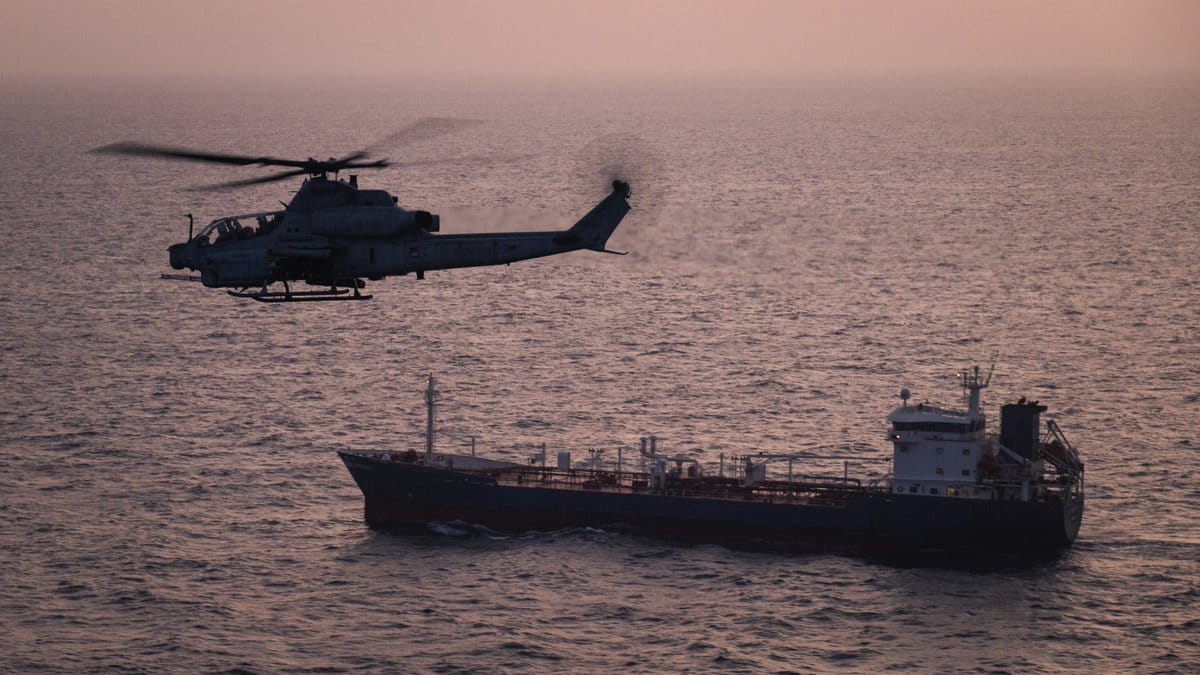
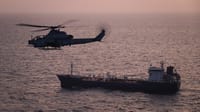
Additional background to the tension: some 20 empty Iranian oil tankers are now drifting off the coast of Sri Lanka, without fuel or food. They are part of Tehran's "shadow fleet" that served to smuggle oil under sanctions. After unloading their cargo, they cannot return to home ports without risking attack or seizure by American forces. On board, crews facing growing shortages.
Meanwhile, the US continues to apply diplomatic pressure on Sri Lanka to prevent the supply of food and fuel to the crews. The naval blockade renewed in July on Iranian ports and the Strait of Hormuz, after the collapse of a brief interim agreement, created the current situation.
American pressure is evident in other arenas as well. Secretary of State Rubio recently addressed the arrest of five suspects in Britain on suspicion of attempting to detonate a car bomb near RAF Fairford air base outside London. "What almost happened in Britain is a very serious situation. This is a situation that clearly involves the hands of a foreign actor," Rubio said in a Fox News interview, mentioning suspicion of Iranian involvement.
"Iran has openly threatened to attack American interests around the world. We will always take that very seriously. There will be consequences if this ever happens or is even attempted," the Secretary of State made clear.
The coming weeks will tell whether this dual policy, between threat and opening a door, between expulsion and a long conversation, and between military force and diplomatic opportunity, will lead to escalation or to a deal. Meanwhile, New York has already emptied of the two diplomats, and forces continue moving eastward.