Get our mobile app
Download on the App StoreGet it on Google Play

Death trap

Iran's shadow fleet stranded without fuel

Around 20 empty Iranian oil tankers drift off Sri Lanka as US diplomatic pressure blocks food, water and fuel to crews • The blockade choking Tehran's economy

The Strait of Hormuz
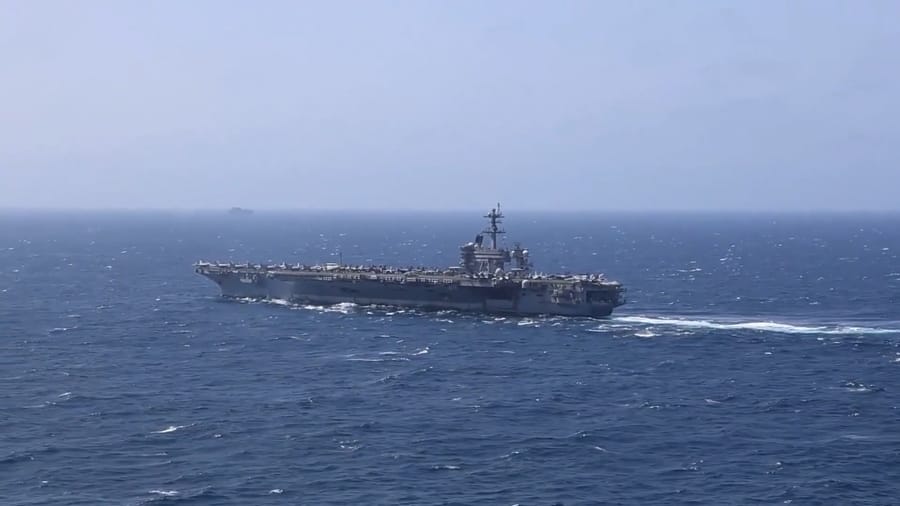
USS George Washington (CVN 73)
USS George Washington (CVN 73) (Photo: US Army CENTCOM)

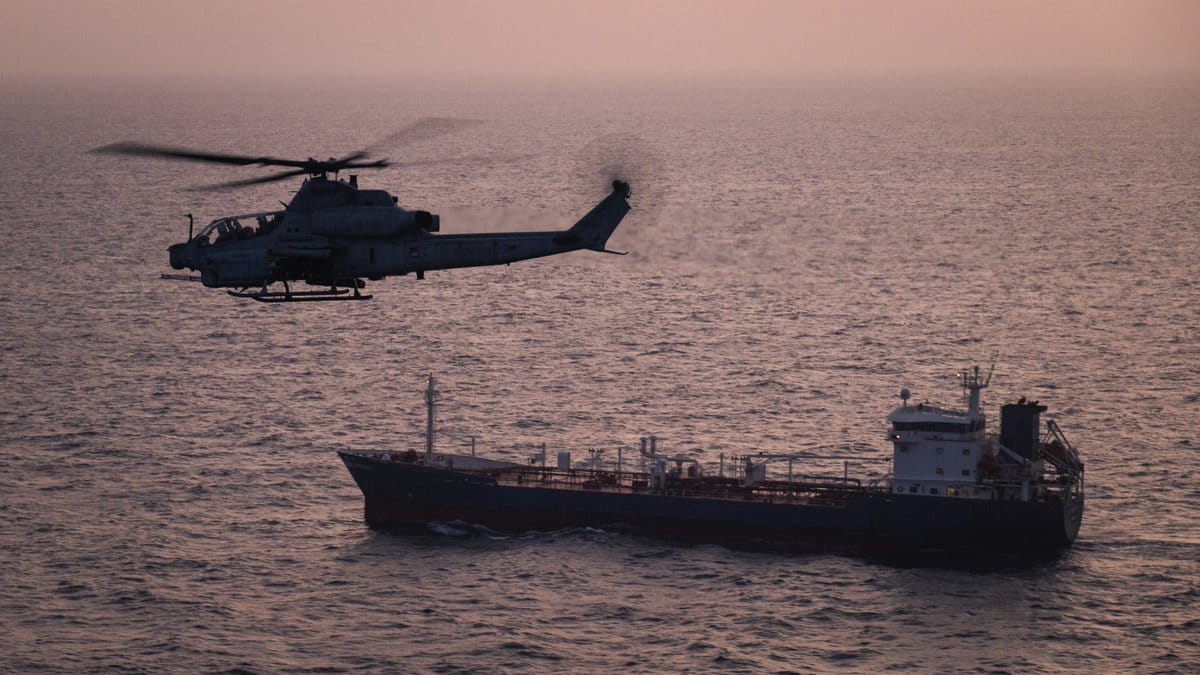
About fifteen nautical miles off the southwest coast of Sri Lanka, in international waters near the port of Galle, some twenty massive oil tankers are adrift. They are empty of cargo, their engines running on minimal power, and their stores of food, fuel and fresh water are running out. On deck are crews, most of them hired foreign workers, facing growing shortages. So reported the Wall Street Journal in early October, describing one of the starkest results of the American economic and military pressure campaign against Iran.

These vessels are part of Tehran's "shadow fleet", an aging, disguised armada of tankers that has spent years smuggling Iranian oil under sanctions. They sail under flags of convenience, switch off identification systems, and carry out ship-to-ship transfers in international waters near Malaysia, mainly to sell oil to China. After unloading their cargo, they were supposed to return to Iran to take on a new shipment. That cycle has been broken.


The blockade that changed the rules

In July of this year, the United States renewed its naval blockade of Iranian ports and the Strait of Hormuz, after the collapse of a short-lived interim arrangement. The empty tankers cannot or will not return to their home ports without risking attack or seizure by American forces. Dozens of Iranian and Iran-linked ships have been stuck since then in the waters of Sri Lanka, Malaysia and other Asian states.

The pressure did not stop there. In recent weeks, the American administration has applied aggressive diplomatic pressure on the government of Sri Lanka. According to Sri Lankan government documents quoted in the WSJ, the US embassy in Colombo warned explicitly that any local company supplying food, water, fuel or repair services to the Iranian tankers would risk heavy secondary sanctions. The result was swift: port authorities and local firms stopped approving supply vessels. The crews were left without basic provisions.

Sri Lanka stresses that the ships are outside its territorial waters, about twelve nautical miles out, and therefore it has no obligation to provide them with services. The Sri Lankan foreign minister even rejected official Iranian requests for assistance, making clear that the government would supply nothing.

Wallets worth a fortune. Bitcoin
Wallets worth a fortune. Bitcoin (Photo: A.L.)

The economic stranglehold and the strategic lever

The immediate result is a direct blow to the heart of the Iranian economy. Oil revenues are the backbone of the ayatollahs' regime. Analysts at tracking firms such as Kpler estimate that the continued blockade and diplomatic pressure could significantly reduce Iranian oil revenues by the end of the year.

From Washington's perspective, this is a clear pressure lever. The move comes as the Trump administration is trying to force Iran into significant concessions on nuclear issues, the opening of shipping lanes in the Persian Gulf, and the cessation of hostile operations. Reports indicate that the US is prepared to grant immediate relief from oil sanctions if Tehran meets certain demands.

There is also a humanitarian and propaganda dimension. The sailors on deck are not necessarily Iranian citizens. The harsh conditions, shortages of water for washing and of food. may serve Iran as a propaganda card against American sanctions. At the same time, it proves that the American blockade is effective not only near the Strait of Hormuz, but also in the Indian Ocean and Southeast Asia. Shipping companies and states around the world prefer to comply with the US rather than risk being cut off from the international banking system.

The picture is clear: the shadow fleet, which operated for years in the dark, has been exposed in daylight, stranded, isolated and without supply. Twenty empty tankers continue to drift off the coast of Sri Lanka. Their story is not just a story of ships, it is a story of power, economic pressure, and the struggle for control of the world's energy routes.

Ready for more?

Join our newsletter to receive updates on new articles and exclusive content.

We respect your privacy and will never share your information.

Enjoyed this article?

Yes
No
Follow Us:

Unmissable content


Loading comments...

Also of Interest