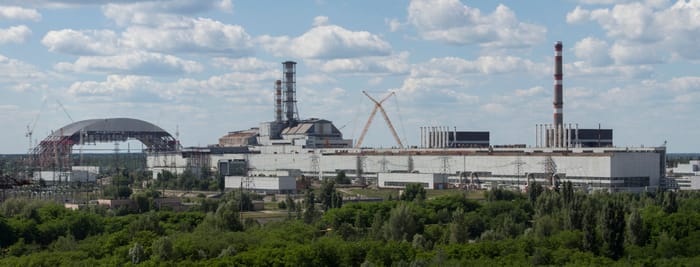
Chernobyl Nuclear Power Plant
Comprehensive coverage of the Chernobyl nuclear facility, the 1986 disaster, its lasting impact, and current developments at the site in Ukraine
The Chernobyl Nuclear Power Plant, located near the city of Pripyat in northern Ukraine, stands as one of the most significant nuclear facilities in modern history. Constructed during the Soviet era, the plant began operations in 1977 and eventually housed four RBMK-1000 nuclear reactors. The facility became the site of the world's worst nuclear disaster on April 26, 1986, when Reactor 4 exploded during a safety test, releasing massive amounts of radioactive material into the atmosphere and affecting large areas of Europe.
The 1986 Chernobyl disaster resulted in the immediate deaths of two plant workers, followed by 28 additional deaths from acute radiation syndrome in the following weeks and months. The explosion and subsequent fire released radioactive particles equivalent to 400 times the atomic bomb dropped on Hiroshima. Soviet authorities evacuated approximately 350,000 people from the surrounding areas, including the entire city of Pripyat. The disaster led to the creation of a 30-kilometer exclusion zone around the plant that remains largely uninhabited today, though thousands of workers continue to maintain the site and monitor radiation levels.
Following the disaster, the remaining three reactors at Chernobyl continued operating for years due to Ukraine's energy needs. Reactor 2 was shut down in 1991 after a fire, Reactor 1 ceased operations in 1996, and Reactor 3, the last functioning unit, was finally decommissioned in December 2000. The destroyed Reactor 4 was initially covered with a hastily constructed concrete sarcophagus in 1986, which began deteriorating over time. In 2016, after years of international cooperation and funding, a massive New Safe Confinement structure was completed and moved into place over the original sarcophagus, designed to contain radioactive material for at least 100 years.
The Chernobyl site has faced new challenges in recent years, particularly during geopolitical conflicts in the region. The facility and its exclusion zone have strategic importance due to their location near the Belarus border and proximity to Kyiv. International attention has focused on ensuring the safety and security of the nuclear material and waste storage facilities at the site, as well as maintaining the integrity of the protective structures covering the damaged reactor.
The environmental and health consequences of the Chernobyl disaster continue to be studied decades later. The exclusion zone has paradoxically become a unique wildlife refuge, with animal populations thriving in the absence of human habitation, despite elevated radiation levels. Scientists continue to monitor radiation levels, study the long-term effects on ecosystems, and assess health impacts on populations exposed to radiation. The disaster fundamentally changed global nuclear safety standards and emergency response protocols.
Today, Chernobyl serves multiple purposes beyond its decommissioning activities. The site has become a destination for controlled tourism, allowing visitors to learn about the disaster and its aftermath while observing the abandoned city of Pripyat and the massive containment structure. The facility also houses significant amounts of nuclear waste and spent fuel that require ongoing management and security. International organizations continue to provide technical and financial support for decommissioning activities and safety improvements at the site.
The legacy of Chernobyl extends far beyond Ukraine's borders, influencing nuclear policy, energy debates, and disaster preparedness worldwide. The disaster demonstrated the potential catastrophic consequences of nuclear accidents and the importance of transparency in crisis management. As the site continues its long-term decommissioning process, Chernobyl remains a powerful reminder of both the risks of nuclear technology and the resilience of affected communities in recovery and rebuilding efforts.