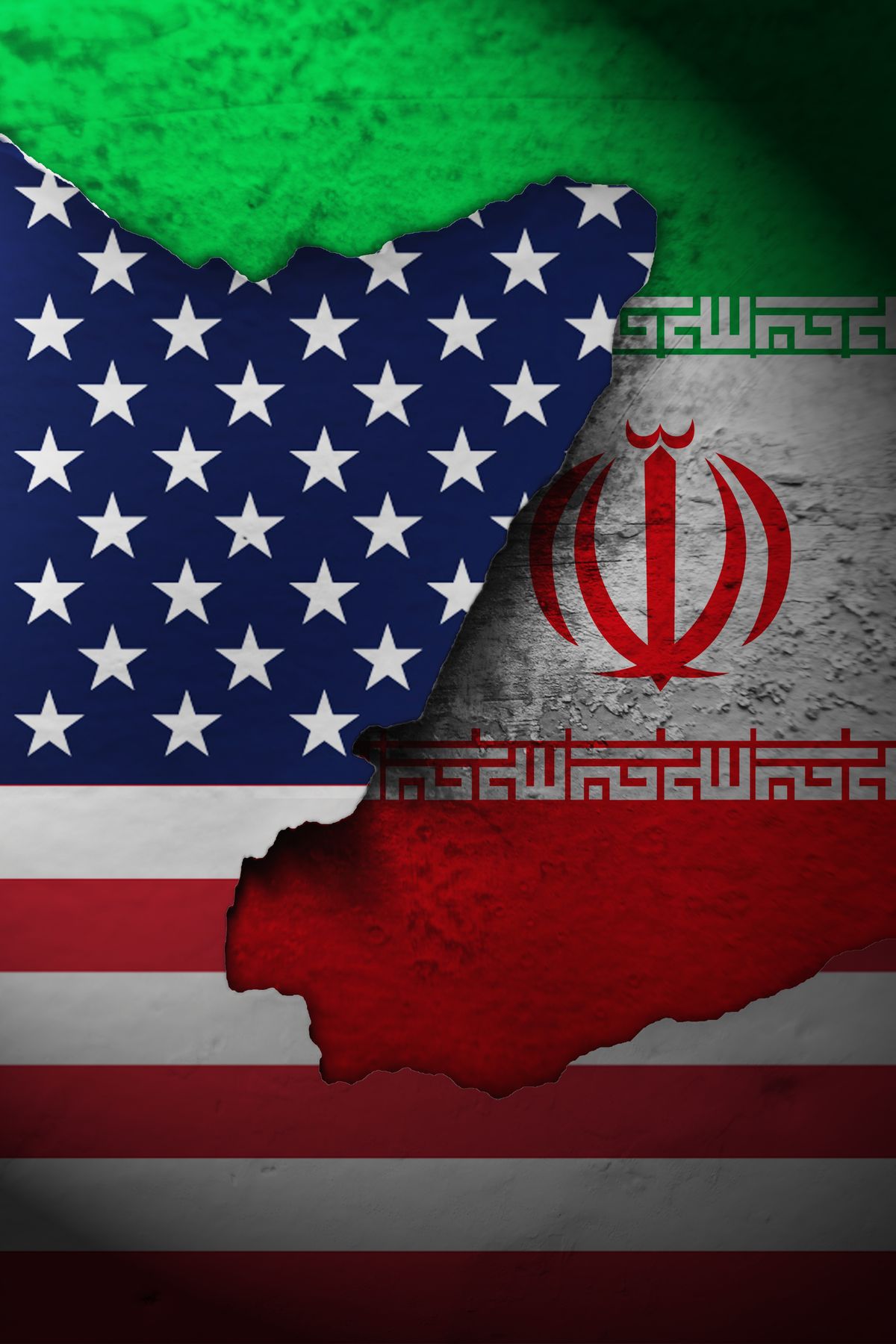
Senior officials in the Trump administration have begun reviving discussions about promoting regime change in Iran as diplomatic overtures toward Tehran have effectively collapsed, according to multiple U.S. sources familiar with internal deliberations.
The renewed consideration of regime change represents a significant hardening of the administration's posture toward the Islamic Republic, coming after more than a year of escalating military pressure and failed attempts at negotiation. The shift reflects deepening skepticism among key policymakers that any deal with the current Iranian government is achievable or sustainable.
"The belief in a diplomatic solution has eroded significantly," one official told reporters on condition of anonymity. "The question now is whether you can contain Iran indefinitely, or whether the regime itself needs to change."
However, no formal decision has been reached, and the administration remains divided on the merits and risks of pursuing such a policy. Some officials argue that supporting regime change would require massive resources, years of commitment, and carries significant risk of blowback. Others maintain that the current trajectory of escalation makes a change of government inevitable and that the U.S. should position itself accordingly.
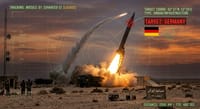
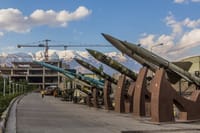
The discussions occur against the backdrop of twelve consecutive nights of American bombing campaigns targeting Iranian military infrastructure, including the first deployment of heavy strategic B-1 bombers in the current cycle. The U.S. has destroyed Iranian naval capabilities, missile storage facilities, unmanned systems, and air defense networks.
Secretary of State Marco Rubio has taken a harder line, suggesting that Iran's willingness to negotiate is weak and shifting. "They keep changing their minds," Rubio said Thursday. "The fundamental issue is that they're not serious about making a deal."
Israel's Position Unclear
The implications for Israel remain uncertain. Current U.S. policy reportedly keeps Israel outside the immediate escalation loop, but regime change discussions could dramatically alter that calculus. A potential power vacuum in Tehran could create regional instability that would directly affect Israel's security posture.
Israeli officials have expressed both interest in weakening Iranian capabilities and concern about the chaos that could follow a rapid collapse of the regime. Jerusalem has not been formally consulted on regime change scenarios, according to Israeli security sources.
Internal Divisions
The administration's internal debate reflects genuine uncertainty about the viability and consequences of regime change. Some officials worry about the precedent of actively pursuing the overthrow of a government with nuclear ambitions, the potential for Iranian retaliation against U.S. interests globally, and the likelihood of prolonged regional conflict.
Others argue that the current Iranian government has demonstrated it cannot be deterred or contained through military means alone, and that the only durable solution is a fundamental change in Tehran's power structure.
No timeline or specific strategy has been formally adopted, and it remains unclear whether regime change discussions will translate into actual policy changes or merely reflect the ideological preferences of certain officials.