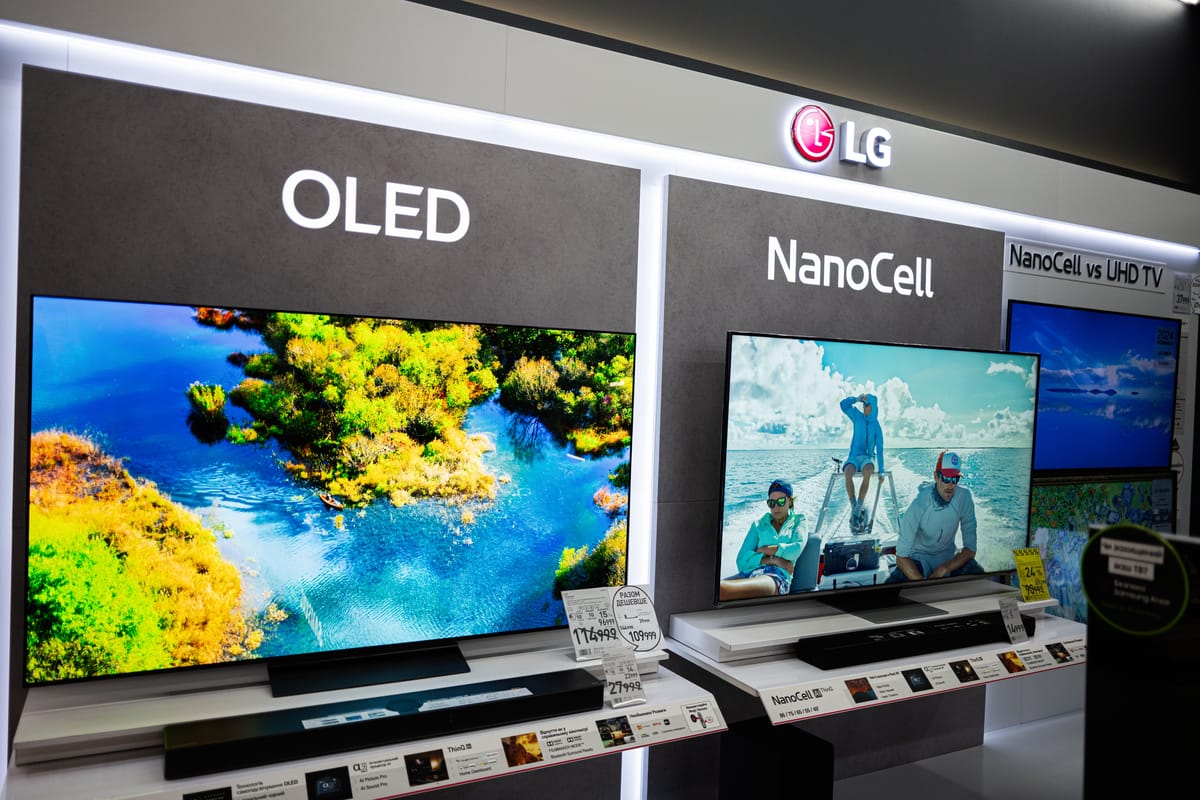
Electronics manufacturer LG has rejected allegations that its smart televisions collect sensitive information or record users while in standby mode. The company's response follows a recent security investigation claiming that LG's OLED models may perform various network activities even when the screen appears to be off.
According to the investigation, conducted by technology channel Gamers Nexus in collaboration with independent researchers and Level1Techs personnel, the televisions tested identified devices connected to home networks, including computers, smartphones, printers, and smart home products, and collected information about nearby Wi-Fi networks, including network names and signal strengths. The investigation further alleged that some of this data was transmitted to LG Ad Solutions, the company's advertising division.
The most sensitive claim raised in the investigation concerned potential use of the television's built-in microphone while the device is in standby mode. Researchers asserted that in the event of a security breach allowing remote access to the television, audio could be recorded through the microphone even when the screen appears off. According to their findings, recordings might be stored locally when no internet connection is available, then transmitted once connectivity is restored.
LG, however, categorically denies these claims. In a statement provided to media outlets, the company said "the allegations raised in the recently published video are not accurate." According to LG, its televisions process voice data only when users press and hold the voice command button on the remote control, or when a wake word such as "Hi LG" is detected—and only if the user has previously enabled the remote voice recognition feature.
The company further emphasized that its televisions do not collect or record users' background conversations. LG also addressed claims regarding home network scanning, characterizing this function as a standard capability common to smart televisions and smart home products, designed to enable identification and connection to other devices in the home environment.
The researchers reported that they also informed LG about security vulnerabilities that could potentially allow remote code execution on the televisions, though full details of these weaknesses have not yet been disclosed. According to reports, the matter is being handled through a responsible disclosure process with the company, meaning additional technical information is expected to be released only after possible fixes or completion of vulnerability remediation.
The controversy surrounding LG fits into broader criticism of smart television privacy policies. Many manufacturers use Automated Content Recognition (ACR) technology, which enables identification of content viewed on screen, sometimes even from external sources such as cable boxes, gaming consoles, and streaming devices connected via HDMI. This data is typically used for advertising targeting and measuring viewing habits.
For consumers, the implication is that a smart television is not merely a viewing screen, but a network-connected device with data collection capabilities, a microphone, and sometimes a camera or access to external services. Security experts recommend regularly updating the television's operating system, reviewing privacy settings, disabling unnecessary features such as voice recognition or ACR, and considering connecting smart home products to a separate network from the one containing computers, phones, and personal documents.