

Get our mobile app
Download on the App StoreGet it on Google Play

Tech

Social media and age: what it reveals

The platform you scroll reveals more than your preferences: researchers say the link between age and social media cuts across screens and into real-world choices, mental health and even public order

Users of all ages, unlimited time

Social media platforms stopped being just a technological tool for keeping distant people in touch a long time ago. They are now a multi-armed laboratory and a wide testing ground for brain researchers and behavioural scientists.

Those researchers could write books that would fill a fleet of trucks large enough to cause a traffic jam on every interstate highway in the United States, and still they would not succeed in understanding what on earth goes through the minds of users who film themselves jumping from the fifth floor of a shopping mall onto a small trampoline on the ground floor with no safety net, hitting it and bouncing back up without cracking their heads open, just to rack up more than twenty million views. And the far worse thing is that they received applause instead of immediate arrest and referral for psychiatric evaluation with a recommendation for involuntary hospitalisation, so they could continue living safely as anonymous individuals instead of attempting the next insane challenge.
Who scrolls and who follows
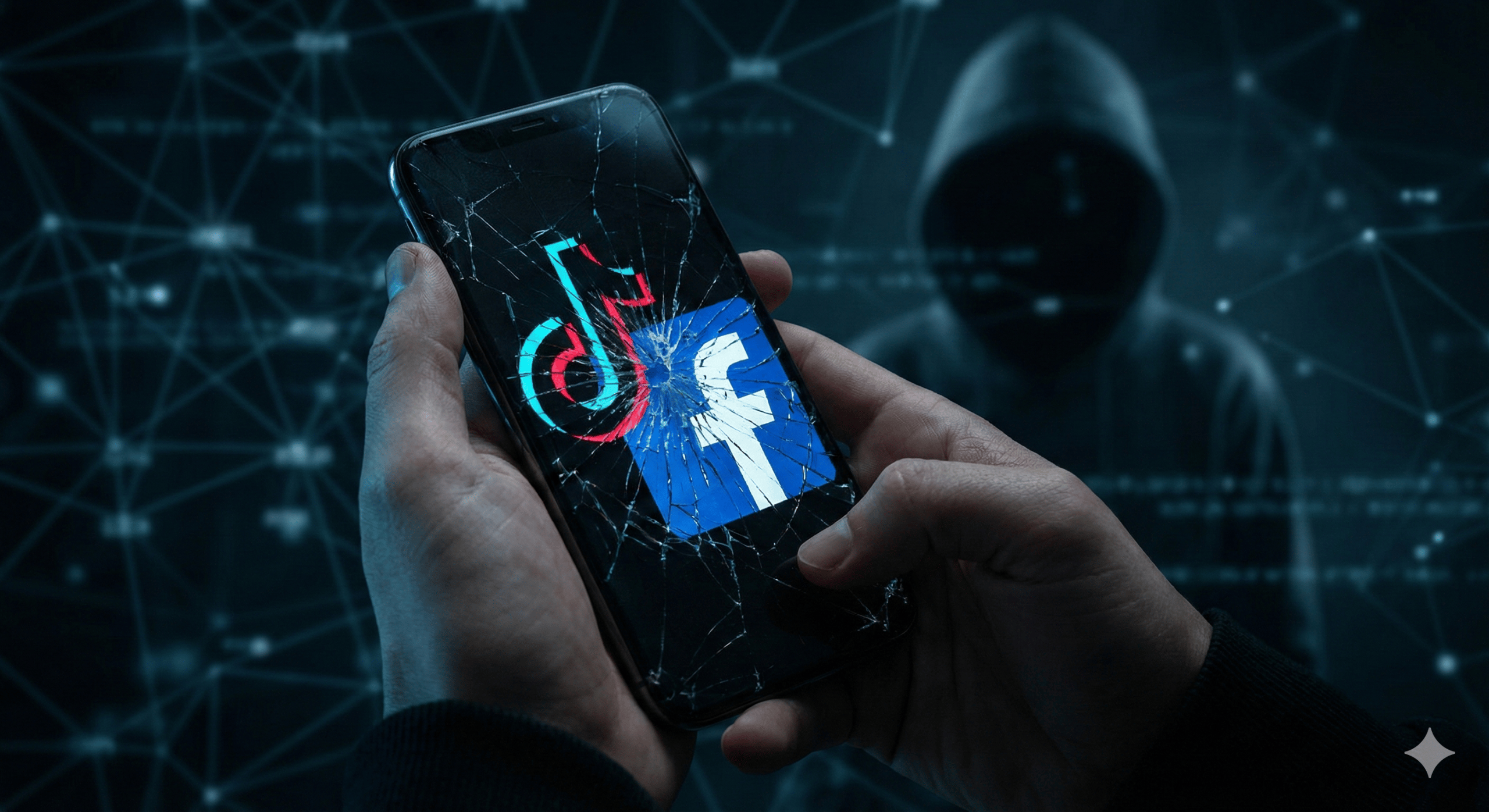
Who scrolls and who follows (AI illustration)

Tell me where you scroll and I'll tell you who you are

Our browsing preferences shift sharply as we move between different life stages: teenagers prefer fast visual content like TikTok and Snapchat, adults concentrate on Facebook and WhatsApp, and technophobes and older users pretend they are keeping up. The influence of these networks on daily life raises justified concern, as Instagram encourages social comparison and damages body image, while TikTok harms attention span and creates severe addiction through an endless sequence of short videos whose viewing seems never to end.

TikTok ban, American style
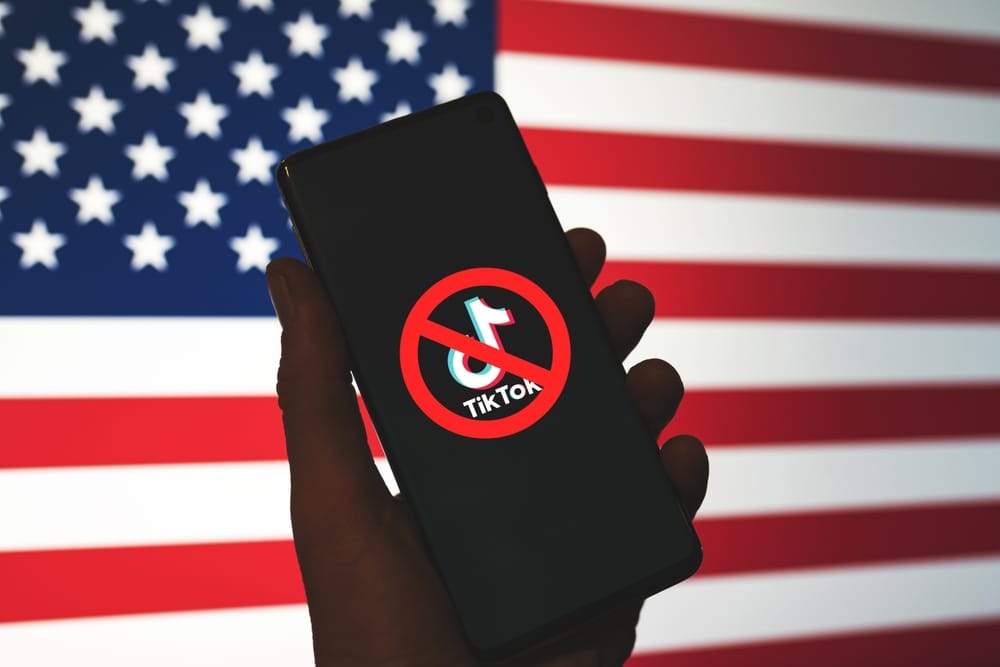
TikTok ban, American style (Photo: Shutterstock)

International borders and bans

Many governments around the world are already actively fighting the influence of these networks. Iran has completely banned the use of social media out of fear of control over consciousness, and India imposed a sweeping ban on TikTok use. In addition, the United States and Europe are advancing strict age restrictions and bans on installing the app on official devices.

Destruction and looting in France
Destruction and looting in France (Photo: Bana shel M')

The networks and the riots in Europe

The influence of the networks extends beyond psychological harm and directly affects public order. In France and Italy, serious and shocking violent incidents were recently documented on social networks that served as an amplifying factor encouraging acts of robbery, looting and street riots, though in some cases publication on social media helped police capture the looters and violent rioters after they were positively identified through their cameras and real accounts.

When Facebook asks: what's on your mind?
When Facebook asks: what's on your mind? (Shutterstock)

Corrupting the youth

The reason these networks are particularly destructive during adolescence is biological and psychological. The brain at these ages is in the midst of a developmental process, and the area responsible for regulating emotions and controlling impulses is not sufficiently developed. Teenagers' extreme need for social approval makes them especially vulnerable to the trap of likes and comments.

Ready for more?

Join our newsletter to receive updates on new articles and exclusive content.

We respect your privacy and will never share your information.

Enjoyed this article?

Yes
No
Follow Us:

Unmissable content


Loading comments...

Also of Interest