
Tourism Patterns in Israel

Galilee Streams Quiet During Winter Break

Visitors to northern Israel's typically crowded nature sites found ample parking and space during the recent yeshiva break, with several factors contributing to the unexpected calm

Galilee's Popular Streams Were Unusually Quiet This Bein Hazmanim

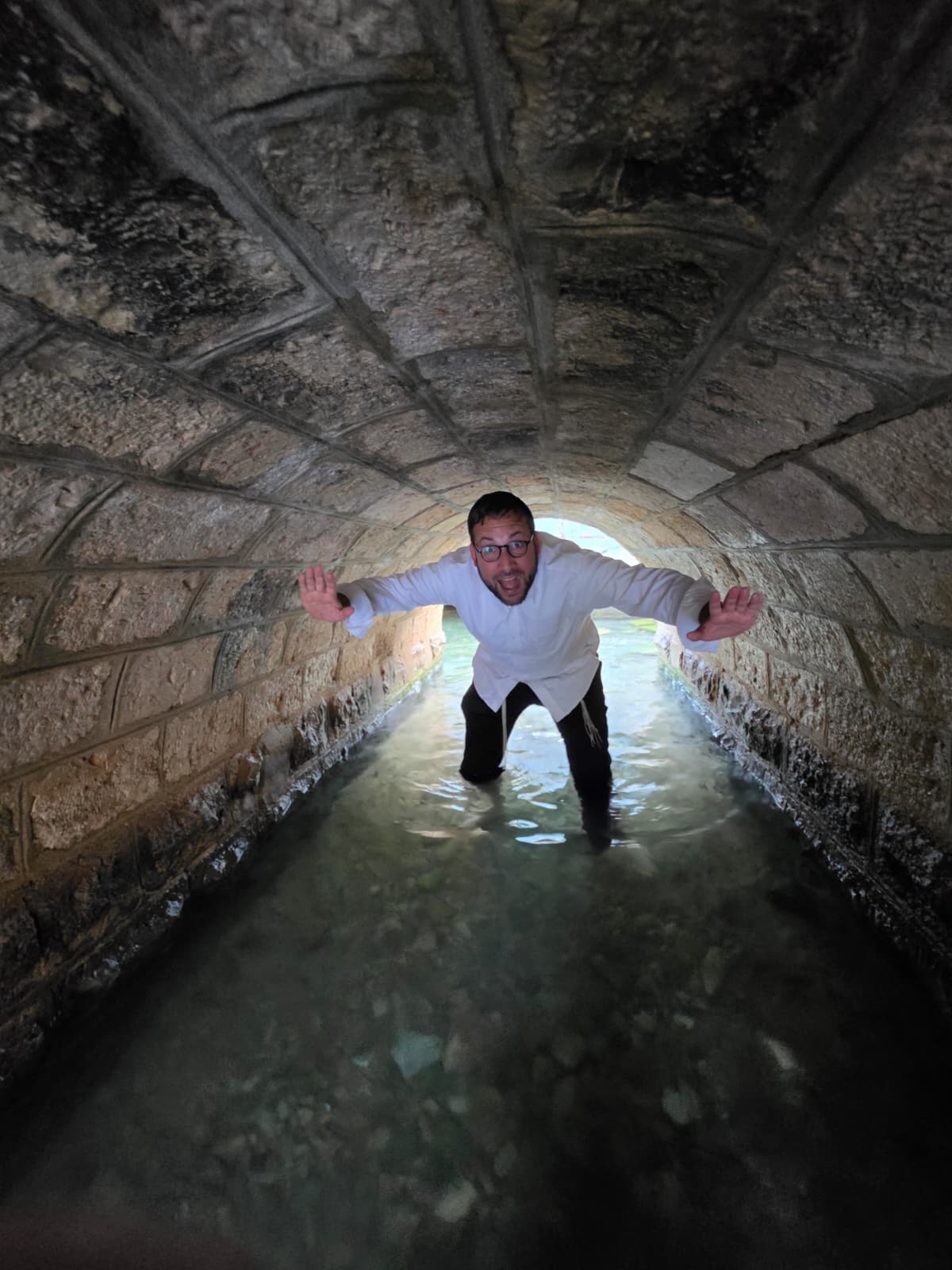
The recent winter break period revealed an unusual phenomenon at Galilee's popular nature sites: they were relatively empty. Locations that typically fill their parking lots by 10 a.m., making entry impossible for latecomers, had available space throughout the day. The visitors who did arrive were predominantly from the ultra-Orthodox and religious Zionist communities, with modesty standards carefully maintained.

The Eucalyptus parking area at Banias, normally packed, had available spots even at midday. The nearby bays and lagoons at Banias were similarly uncrowded. What caused this dramatic shift in visitor patterns?

Eight possible explanations emerge:

First, timing differences between communities played a role. Ultra-Orthodox schools began their break in the first two weeks, when secular summer camps were still operating. Secular parents weren't taking independent family trips during that period, while haredi families were out daily.


Second, the Samaria region has seen significant development of natural spring sites in recent years. While not matching the quality of Galilee streams, these locations offer adequate enjoyment for yeshiva students. Springs that were largely inaccessible for security reasons just years ago are now open, as the security situation has improved and many feel comfortable visiting Samaria streams. This expansion of available sites means visitors are distributed across more locations, reducing density at any single site. Instead of everyone converging on three or four familiar destinations, dozens of options now exist, each absorbing a smaller portion of overall traffic.

Third, a substantial portion of the population is abroad. Recent data indicates tens of thousands of Israelis have left for extended periods in recent years, with departures in recent months breaking records. Some estimates suggest nearly 300,000 people have left.

Fourth, many reservists remain on duty, preventing them and their families from taking trips.

Fifth, some suggest the security situation plays a role, causing families to think twice before traveling to the far north, concerned that war could suddenly erupt. With frequent geopolitical developments creating uncertainty, planning extended trips to the Galilee becomes difficult.

Sixth, readers of the original Hebrew publication noted that because the author regularly publishes information about various hiking and natural bathing locations on social media, pressure on Galilee streams has actually decreased as the public spreads across more sites.

Seventh, some claim that many yeshiva students who have not enlisted in military service fear encountering military police during outings.

Eighth, writer Amichai Shiloh reported in the publication "Olam Katan" that there are rumors of guidance from leading rabbis to yeshiva students to reduce trips this year. However, the author questions this claim, noting that the break period is an integral part of the study cycle. If students don't "renew their strength," as the biblical phrase goes, learning throughout the year won't be of high quality.

The late Rabbi Elazar Menachem Man Shach, head of the Ponevezh Yeshiva, reportedly stated on several occasions that during one of Israel's wars, when the break period was canceled, the quality of learning during the semester was not as strong as in previous years.

Israel Shapira is a senior historian and lecturer, researcher of the Land of Israel and tour guide. He is the author of several books on historical and sacred sites in Israel and the region. For comments, materials, ideas, or to arrange lectures, contact: sisraerl@gmail.com

Ready for more?

Join our newsletter to receive updates on new articles and exclusive content.

We respect your privacy and will never share your information.

Enjoyed this article?

Yes (40)
No (2)
Follow Us:

Unmissable content


Loading comments...

Also of Interest