Get our mobile app
Download on the App StoreGet it on Google Play

499 tons of metal on the seabed

Ship sunk for reef — then flipped over

A 499-ton tuna carrier was deliberately scuttled in the Maldives to create an artificial reef, but trapped air flipped it upside down on the ocean floor. After weeks of work, divers righted the vessel, and sharks, rays and sea turtles are already moving in

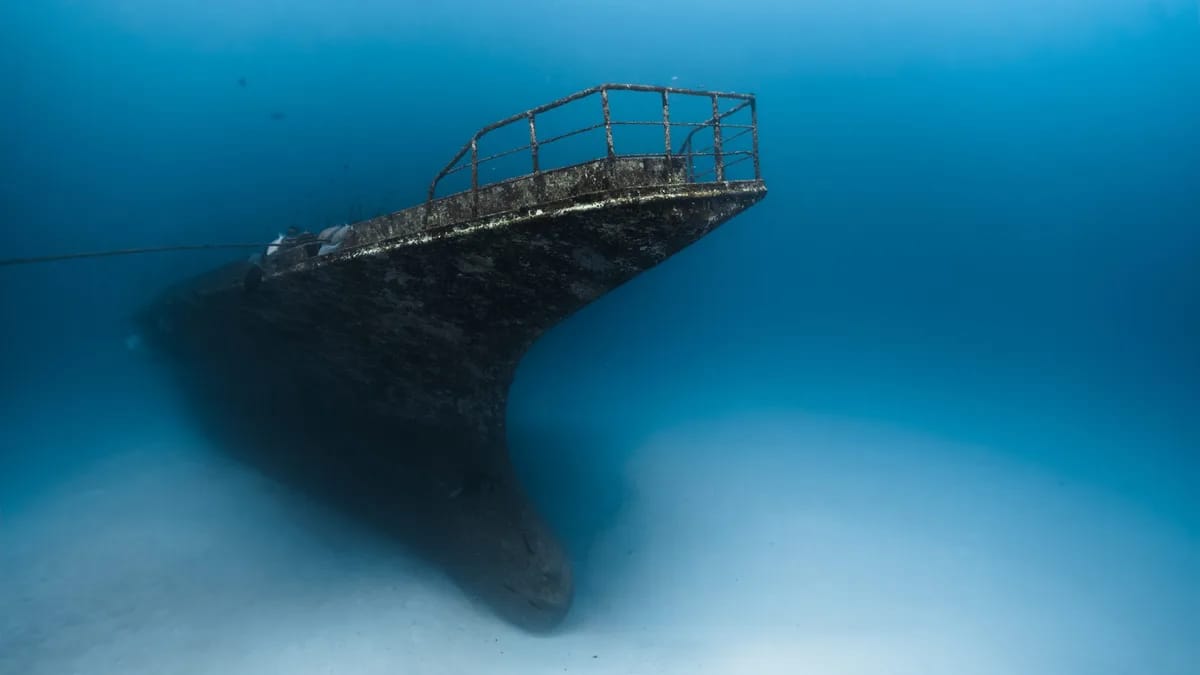
The ship before it was sunk

A massive cargo ship that once hauled tuna between the islands of the Maldives has been given a second life beneath the waves. Instead of being scrapped, the vessel was deliberately sunk to the ocean floor, where it is meant to become an artificial reef and a new home for marine life.

The ship weighs roughly 499 tons and measures 66.63 meters in length, longer than the Leaning Tower of Pisa is tall. It was scuttled in the waters off Noonu Atoll in the Maldives as part of a project run by Siyam World Maldives.

But the sinking did not go as planned. A controlled scuttling requires careful preparation: openings are cut in specific locations so water enters in a controlled manner and the ship settles upright on the seabed. In this case, air trapped inside the hull caused the vessel to flip during its descent, and it came to rest upside down on the bottom.

Leaving the wreck in that position would have made it unstable and increased the risk that ocean currents could shift or roll it. The project team launched a complex operation that lasted several weeks. Using ropes and massive airbags, they gradually turned the nearly 500-ton ship over and positioned it as originally intended.
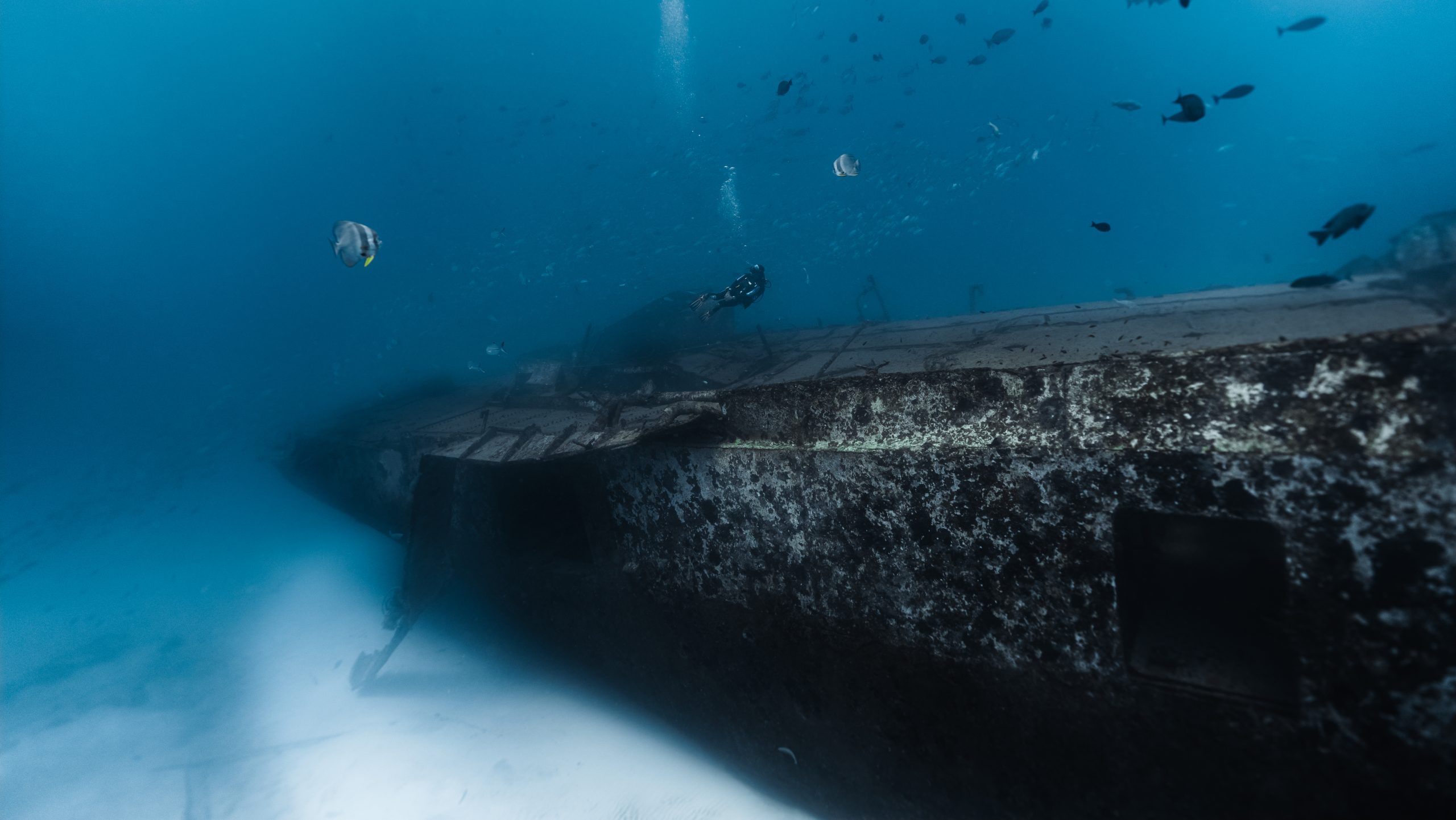
The ship after it was scuttled
The ship after it was scuttled (Photo: Siyam World Maldives)

The bow of the ship now sits at a depth of around 10 meters, while the stern reaches down to about 24 meters. The positioning makes the site accessible to divers of varying skill levels, depending on their experience and the depth they are comfortable with.

But the goal is not only to create a dive attraction. Ships that are properly prepared and sunk can become artificial reefs over time. Their rigid structure provides a surface for marine organisms to settle on, and eventually the wreck can offer shelter and habitat for additional species. Before such a sinking, all materials that could pollute the environment, including fuel and other hazardous substances, must be removed.

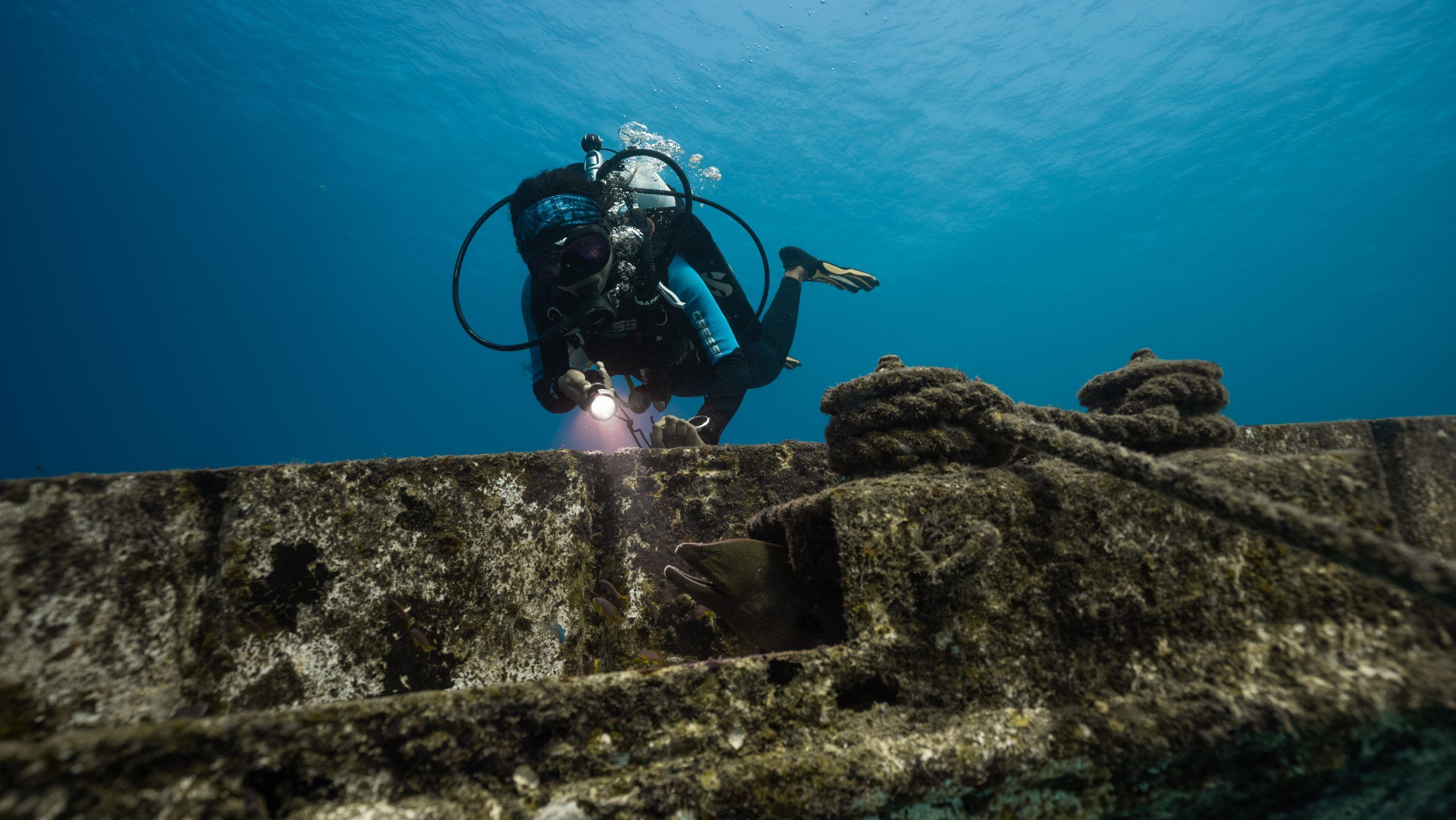
A diver beside the wreck
A diver beside the wreck (Photo: Siyam World Maldives)

In the case of the Maldives ship, the process is already showing results. The vessel was scuttled in October 2024, and since then a variety of marine animals have been spotted around it, including lemon sharks, intermediate pufferfish, guitarfish, eagle rays, triggerfish and sea turtles.

The project also includes plans to plant corals on the wreck. Visitors will be able to attach coral fragments to the structure and help develop the new habitat. According to the resort behind the initiative, the aim is to create a long-term reef restoration project, not just an unusual dive site.

A massive vessel that once carried tuna between the islands of the Maldives has itself become a destination for fish and other sea creatures. Instead of ending its days as scrap, the ship is beginning a new chapter, this time at a depth of up to 24 meters below the surface of the ocean.

Ready for more?

Join our newsletter to receive updates on new articles and exclusive content.

We respect your privacy and will never share your information.

Enjoyed this article?

Yes
No
Follow Us:

Unmissable content


Loading comments...

Also of Interest