Iran's Mohammad Mohebbi Sparks Controversy

 Iran Player's 'Gun Gesture' Goal Celebration at World Cup Ignites Fury Among Anti-Regime Fans

Mohammad Mohebbi's finger-gun celebration after scoring against New Zealand at SoFi Stadium sparked outrage among Iranian diaspora fans who saw it as a threatening political provocation.

Iran vs New Zealand, FIFA 2026

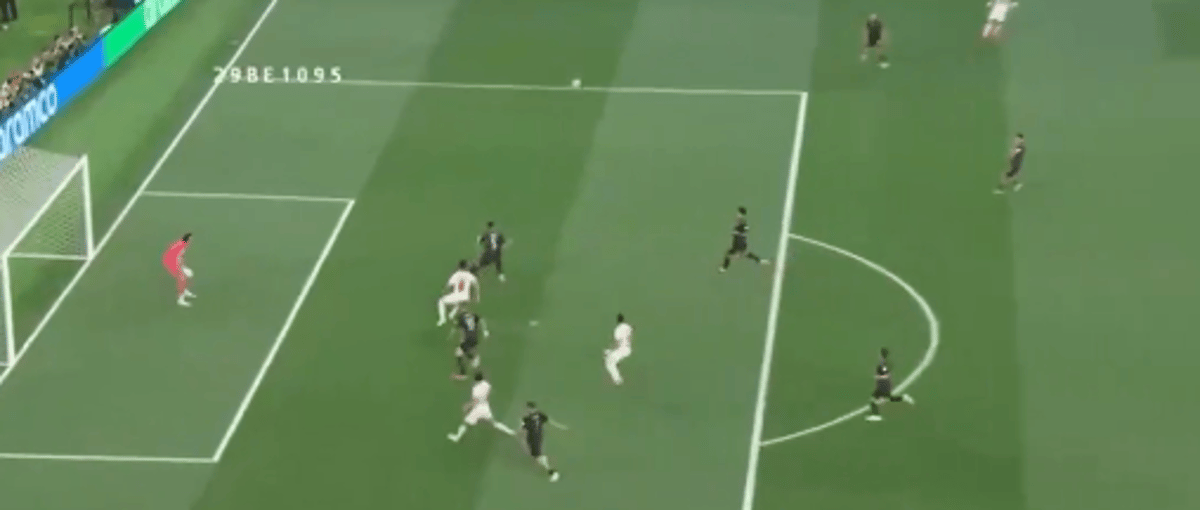
In a match already overshadowed by geopolitical tensions, Iran's Mohammad Mohebbi scored a 64th-minute equalizer against New Zealand, but his celebration drew far more attention than the goal itself.

Iran came from behind twice to earn a 2-2 draw with New Zealand in their Group G opener at SoFi Stadium on Monday night. Ramin Rezaeian opened the scoring for Iran in the 32nd minute and provided the assist on Mohebbi's header. New Zealand had led through two goals from Elijah Just.

The flashpoint came immediately after Mohebbi's goal. The forward, along with several teammates, performed a "finger gun" gesture, pointing with both hands and mimicking shooting motions, while facing sections of the crowd that included anti-regime Iranian diaspora fans. Many in the stands had waved or displayed the pre-revolutionary Lion and Sun flag, which FIFA has banned in official settings.

The gesture quickly went viral, sparking outrage among opponents of Iran's Islamic Republic government. Critics described it as a provocative and threatening symbol, interpreted by some as referencing the regime's security forces and their use of firearms against protesters in recent years. Social media posts labeled it a "terrorist act" and called for FIFA sanctions.

Others viewed the celebration as a spontaneous, non-political expression of joy — a mock "pew-pew" or cowboy-style gesture common in football and other sports.
The match took place against the backdrop of ongoing conflict involving Iran, the United States, and Israel, as well as deep divisions within the Iranian community. Large Iranian-American populations in the Los Angeles area ("Tehrangeles") created a charged environment. Iran's national anthem was reportedly booed by some sections of the crowd, while protests outside the stadium featured the banned pre-revolutionary flag.

Iran's participation itself was uncertain for months amid the regional turmoil, with the team ultimately basing in Tijuana, Mexico, before crossing into the U.S. for the game.

FIFA has not yet commented publicly on the celebration. The governing body generally prohibits gestures that could be seen as political or inciting violence, but enforcement has varied in past incidents.

Both teams earned a point in the entertaining draw. Iran faces a tougher test next against Belgium on June 21, while New Zealand will look to build on their spirited performance.

The on-field result offered a brief moment of sporting drama, but off-field tensions once again highlighted how football remains deeply intertwined with politics for the Iranian national team.

Ready for more?

Join our newsletter to receive updates on new articles and exclusive content.

We respect your privacy and will never share your information.