1982: The battle that forged a legend
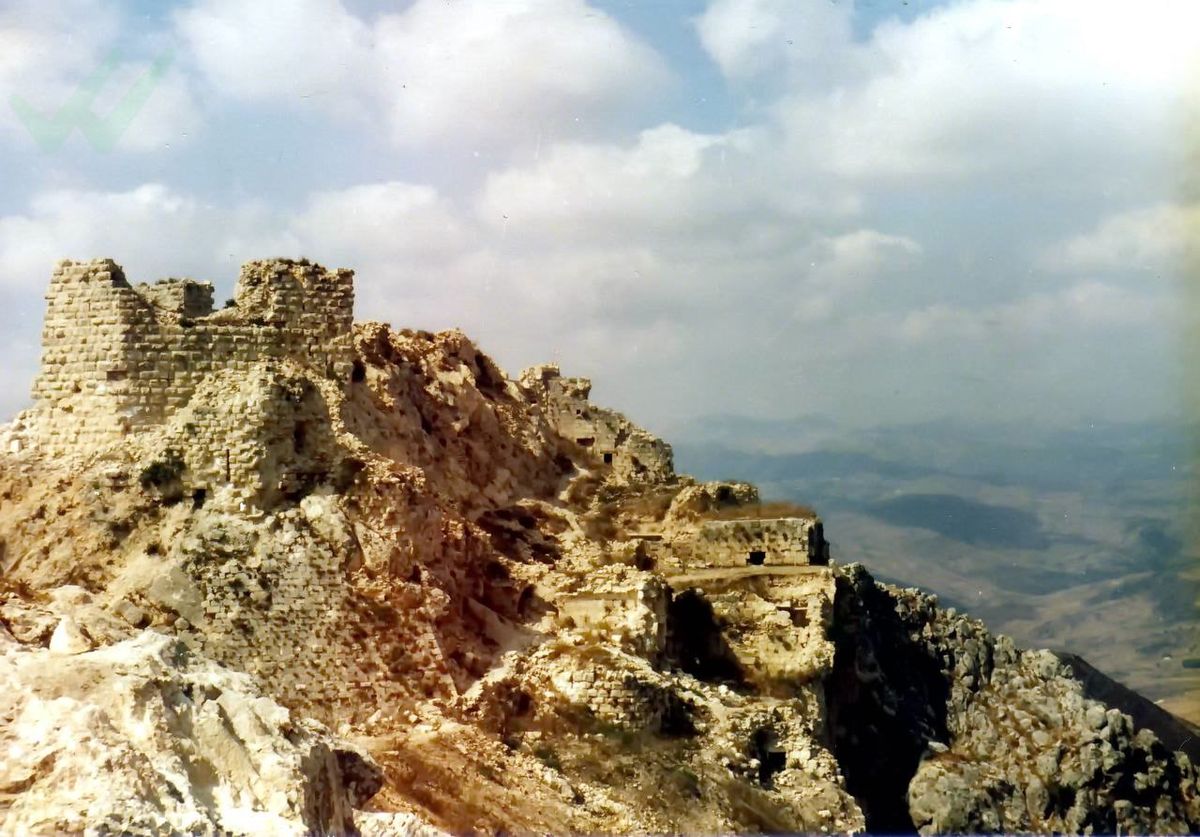
On the night of June 6–7, 1982, at the very opening of Operation Peace for Galilee, the Golani Reconnaissance Unit received one of the most dangerous assignments of the war: take the fortress. The approach was a single steep, narrow path, fortified by the PLO and covered on all sides. The unit fought upward at close range, through trenches and concrete bunkers, under fire. By dawn the Israeli flag flew over Beaufort. Six Golani soldiers were dead, including the unit commander, Major Goni Hernik, and Lieutenant Avikam Sharf.
The battle became part of Israeli military mythology, and also part of Israeli military trauma. Defense Minister Ariel Sharon visited Beaufort that same morning and told reporters the PLO had withdrawn without a fight. The soldiers who had just buried their comrades were stunned. The contradiction between political spin and battlefield reality at Beaufort became one of the defining controversies of the First Lebanon War, immortalized in Ari Folman's documentary film Waltz with Bashir.
Israel held the castle for the entirety of its 18-year occupation of southern Lebanon. Dozens more soldiers died defending its access roads and the outpost built around it. It became, in the Israeli public imagination, the symbol of a war gone wrong, a beautiful fortress on an impossible hill, soaking up young lives for unclear strategic benefit.
2000: The explosion in the night
On the night of May 23–24, 2000, under Prime Minister Ehud Barak, Israel ended its Lebanon occupation. The withdrawal was not orderly, it was a rout. South Lebanon Army militiamen who had fought alongside Israel for years fled; Hezbollah filled the vacuum within hours. At Beaufort, rather than hand the fortress to Hezbollah as a propaganda trophy, Israeli engineers detonated the entire military compound they had built around it. The castle's ancient stones survived. The IDF's presence was erased.
Hezbollah celebrated the withdrawal as a historic victory, the first time an Arab armed force had compelled Israel to surrender territory not through diplomacy but through sustained military pressure. That narrative became the founding myth of Hezbollah's post-2000 identity, and the basis for its argument that armed resistance, not negotiation, was the only language Israel understood. Beaufort, empty of Israelis and returned to Lebanon's heritage ministry, was the symbol of that argument.
2026: What changed and why now
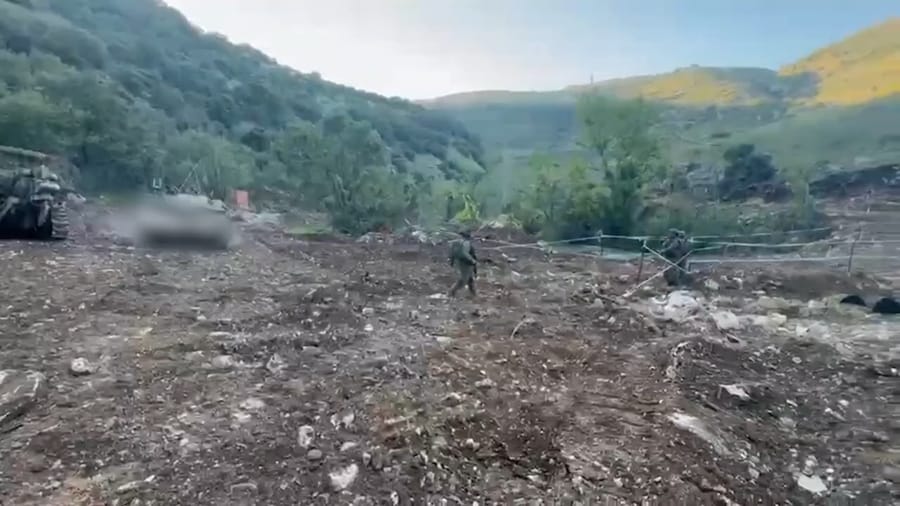
The context of the 2026 operation is fundamentally different from 1982 or 2006. Following the collapse of the November 2024 ceasefire and the resumption of full-scale fighting in early 2026, Israel declared a new "Yellow Line" - a forward defense zone extending north of the Litani River. The IDF crossed the Litani for the first time since 2006 in late May, in operations the military described as aimed at dismantling Hezbollah infrastructure and "removing the direct threat to the Galilee Panhandle."
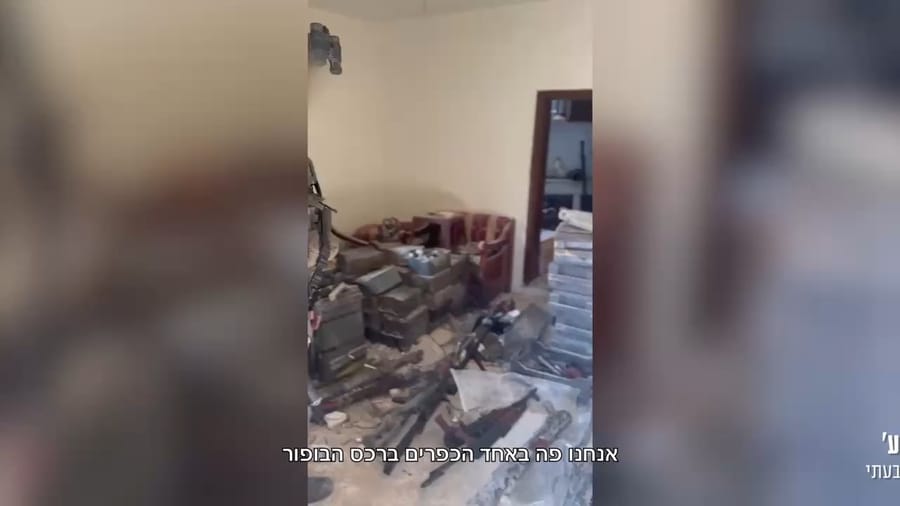
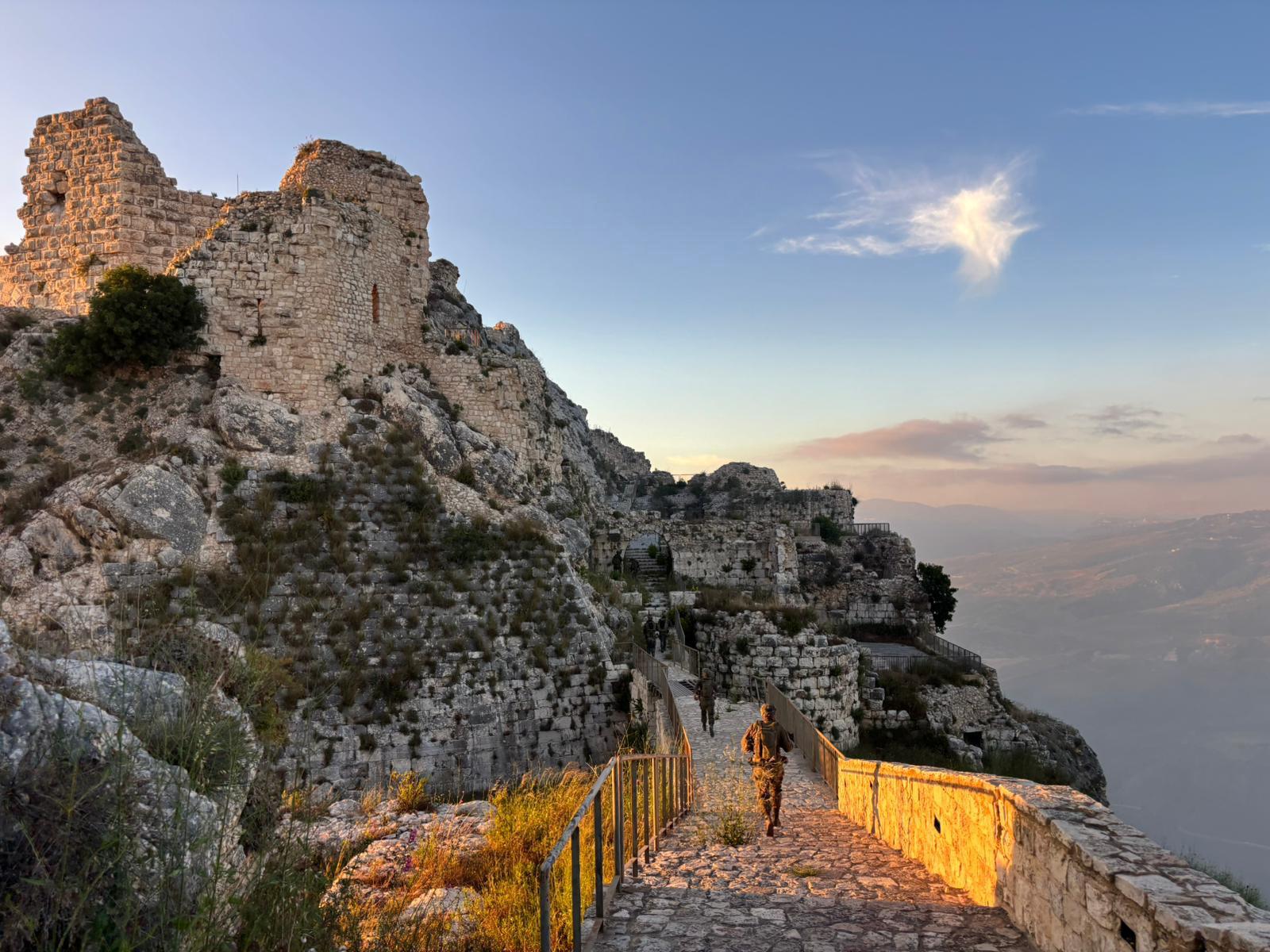
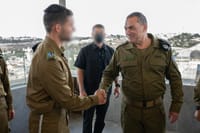
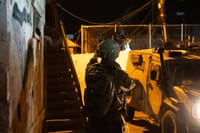
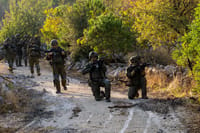
Beaufort sits precisely within that new line. Its capture was not incidental, the Times of Israel reports that the IDF launched a specific operation in the Beaufort Ridge and Wadi Saluki area involving the Golani Brigade, Givati Brigade, 7th Brigade, Fire Brigade, and Multidimensional Unit, under the 36th Division. These are not token forces. The IDF said it intends to "establish itself in the area," language that signals a longer-term presence, not a raid.
Israeli forces are now approximately 5 kilometers from Nabatiyeh, one of the largest cities in southern Lebanon, and the military has called on its residents, and those of the coastal city of Tyre, to evacuate. The ceasefire, nominally in place since April 17, has functionally collapsed.
Why Beaufort matters militarily today
The cynical answer to "why does a medieval castle matter in 2026" is: because the hill it sits on still matters. At 700 meters above sea level, the Beaufort Ridge provides observation across enormous swaths of southern Lebanon and a direct sightline into the Galilee Panhandle and the Israeli border town of Metula. It overlooks the Litani River's 90-degree bend, a key geographic chokepoint. It offers fire control over the Nabatieh area and observation into the Bekaa.
In the age of drones and precision missiles, some argue that fixed high-ground positions matter less. The IDF's own doctrine does not agree. The castle ridge is a forward observation and control point, a base for drone operations, and a denial zone for Hezbollah, which had used the surrounding area as a key logistics and infrastructure zone. Hezbollah built its rocket infrastructure precisely in areas like the Beaufort Ridge because the terrain offers concealment and the geography makes them hard to reach.
There is also a signal being sent northward: Israel is not positioning for a quick withdrawal this time. Senior IDF officers warned this week that a sudden political halt to operations could leave forces dangerously exposed deep inside Lebanon, an implicit argument against any premature ceasefire deal.