A quick summary of the recent conflict
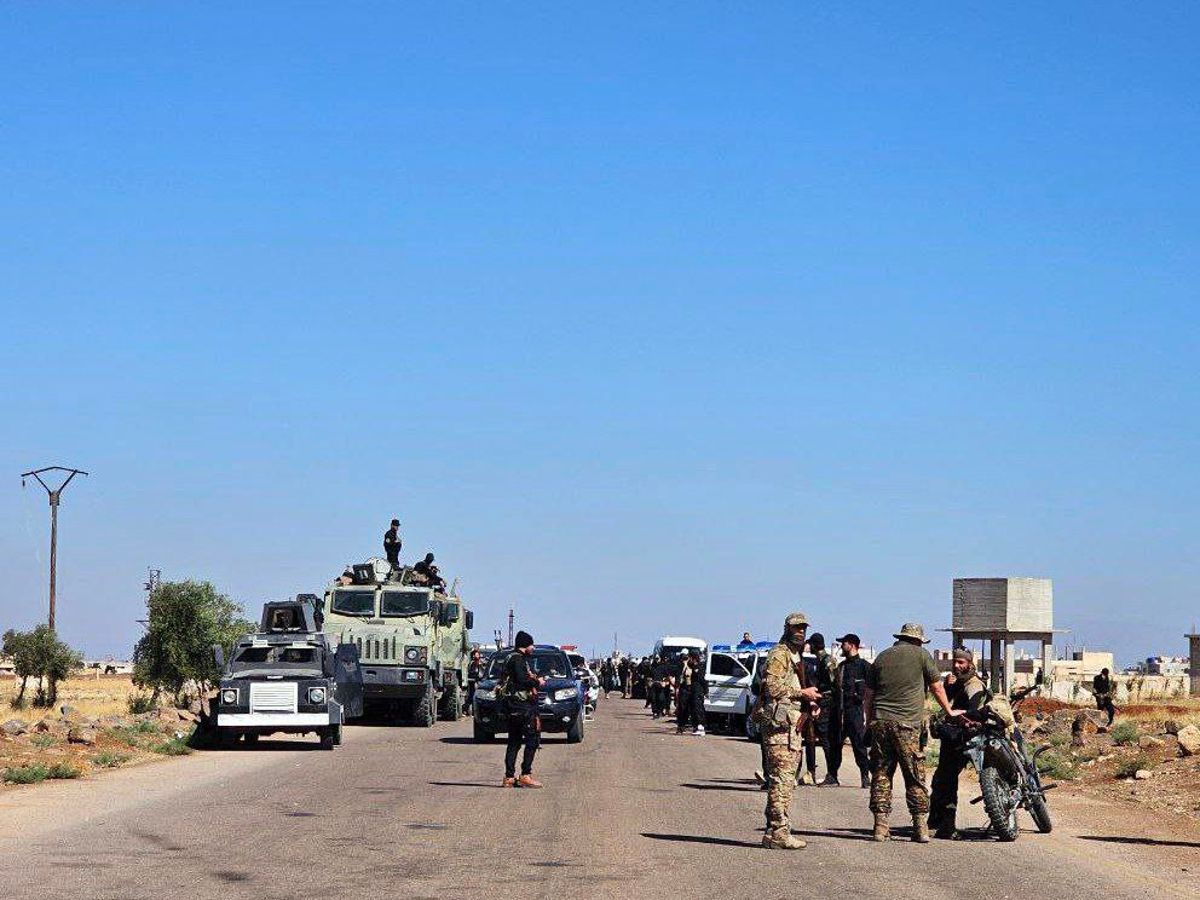
Violence erupted in Syria’s Suweida province on July 11 after the abduction of a Druze merchant sparked sectarian clashes between Druze militias and Bedouin tribes. Within days, the conflict escalated into a deadly confrontation involving government forces. The Syrian transitional government, led by President Ahmed al-Sharaa, deployed troops to contain the unrest but was swiftly accused of colluding with jihadist factions, particularly Hay’at Tahrir al-Sham (HTS). Graphic footage showed Syrian soldiers and allied terrorists executing Druze civilians, desecrating bodies, and mocking victims, acts that have drawn widespread outrage and allegations of war crimes. By mid-July, over 260 people had been killed, including numerous civilians, according to the Syrian Observatory for Human Rights.
In response, Israel launched targeted airstrikes on July 15 against Syrian military assets near Suweida, claiming the moves were to protect Druze communities under threat just 80 kilometers from its border. Defense Minister Israel Katz warned of harsher measures if the attacks continued. Despite a U.S.- and Turkish-backed ceasefire, violations persisted, including the abduction and murder of elderly Druze religious leader Sheikh Marhej Shaheen. On July 16, the IDF expanded its campaign, striking military sites near Damascus and reiterating its refusal to allow jihadist entrenchment in southern Syria. U.S. pressure ultimately led to a partial Syrian