Iran is pursuing a strategy of calibrated escalation aimed at forcing the United States to accept Tehran's demands over control of the Strait of Hormuz, with analysts concluding that the strategy is working against President Trump's administration, according to a Reuters analysis published over the weekend.
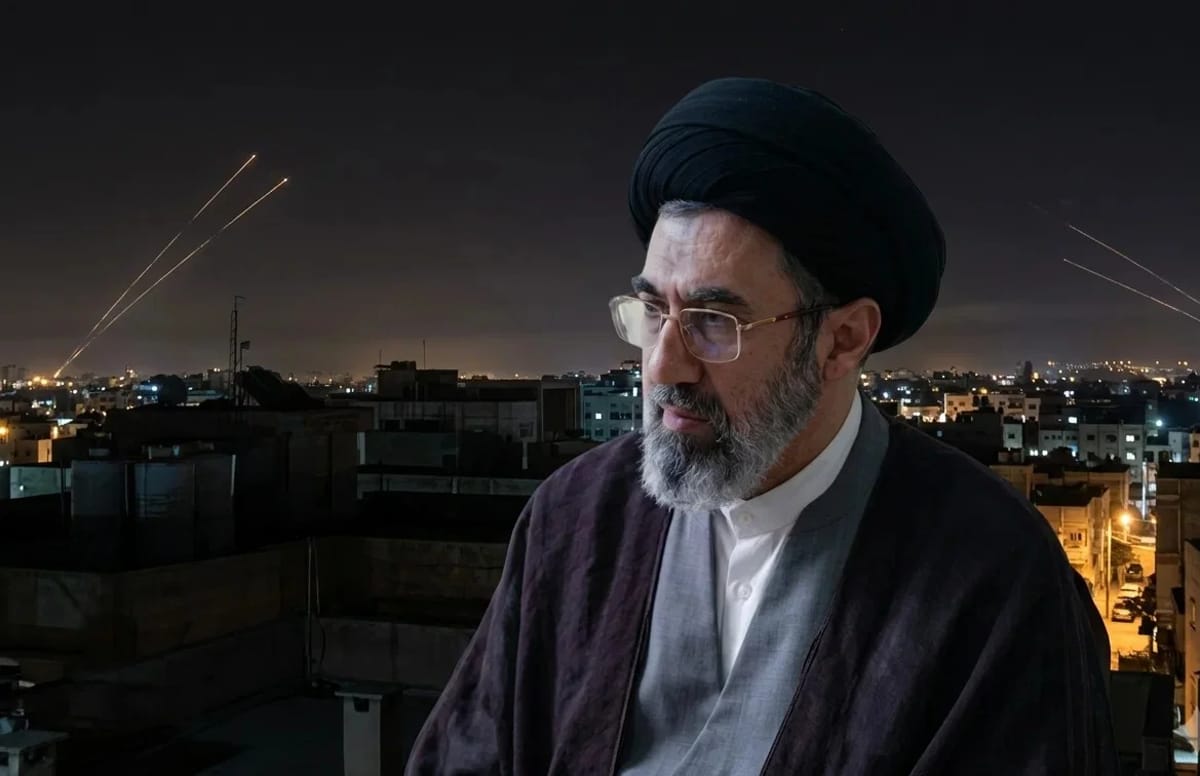
Rather than seeking a decisive military victory, Tehran is pursuing a strategy of calibrated escalation aimed at widening the conflict without triggering full-scale war. The goal, they say, is to convince the United States and its allies that containing the crisis is more costly than accommodating Iran's demands over the Strait of Hormuz.
Michael Knights of the Washington Institute told Reuters that Iran has "tried to out-escalate the United States by stretching out its escalation options so that it always has something new to bring every week—a new geography, a new type of weapon, a new type of target." Knights added that Iran's "big advantage is not that they can hurt America or Israel" but rather "that they can hurt the regional states and the global economy."
Tehran's leadership has concluded that earlier attempts at flexibility only yielded greater pressure from Washington, reinforcing the view that leverage must be established before meaningful negotiations can begin, according to Iranian sources cited in the analysis. A senior Iranian source said Tehran's assessment is that Trump interprets concessions as weakness and responds only to pressure.
Michael Singh, senior fellow at the Washington Institute, said Tehran believes it still holds the initiative, partly because the Trump administration appears uncertain how far it is willing to go militarily.
The central point of contention remains the Strait of Hormuz, through which a significant share of global energy exports flow. Trump said talks with Iran would take place on Monday after earlier saying he had called off an imminent attack in hopes of securing a deal to reopen the Strait of Hormuz. Tehran, however, said it was not currently holding talks with the United States.
Oman has proposed a brokerage arrangement allowing commercial traffic to resume through tolls on merchant vessels, but the positions of Iran and the United States remain far apart. Iran demands full administrative authority and the right to collect service fees in the Strait, while Washington categorically rejects any toll system and insists on maintaining it as a free international shipping lane.
Knights compares the effort to Europe's Aspides mission in the Red Sea, which was created to protect merchant traffic rather than alter the military balance. Western nations and Gulf states are forming defensive maritime coalitions to secure merchant vessels and share intelligence rather than escalating military confrontation with Iran.
Analysts suggest that Tehran is calculating that Trump, facing midterm elections in November 2026, will prioritize economic stability over military escalation. The closure of the Strait has already elevated global oil prices and raised inflationary pressures affecting American consumers at the gas pump—a potential political vulnerability for the Trump administration ahead of the elections.