This September, the world received two Israeli works about the same war. One got the longest standing ovation in the history of the Venice Film Festival. The other climbed the Netflix charts from Beirut to Muscat. Only one of them had the decency to begin where the war began.
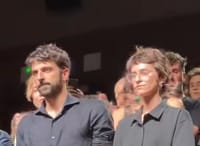
Yuval Abraham and Rachel Szor's NAZA arrived in Venice wrapped in prestige. It was produced by The Guardian and executive-produced by Jonathan Glazer. Its promotional synopsis promised to reveal the systems behind Israel's "calculated mass killing" of civilians in Gaza. The directors did not hedge. They wrote that the civilian deaths were a "premeditated, calculated, and intentional act," not a tragic byproduct of fighting Hamas.
Premeditated. In a war that Hamas started by butchering 1,200 people in a single morning, the two most celebrated Israeli filmmakers in the world have decided that the killing was Israel's plan all along. That is not investigation. It is a conclusion that removes Hamas from its own war.
The evidence behind this verdict is a chorus without faces. The film rests on interviews with 24 anonymized military and intelligence insiders. No names, no ranks, no way for the public to test a single claim. When the IDF asked to see the film so it could answer the accusations, its spokesman said the film had not yet been released in full, and that its promotional material alone contained serious and false claims. Abraham and Szor got their ovation first. The soldiers they accuse got to respond later, if at all.
Then there is the directors' own framing. In their Venice statement, they said that while filming, they found themselves asking the questions asked by "our grandparents' generation" about how one people allows the dehumanization of another. Everyone in that Venice hall understood the reference. The grandchildren of the Holocaust's victims have handed Europe a film that casts the Jewish state in the role of the perpetrators. Europe stood and clapped for nearly half an hour.
That applause is the real product. For a European cultural establishment eager to be relieved of its history, nothing is more valuable than an Israeli Jew willing to say the unsayable in the first person. Abraham and Szor know this. Their Oscar for No Other Land taught them exactly what the market rewards. NAZA is the sequel to a business model.
Now consider Fauda.
On October 8, 2023, while the massacre was still underway, Lior Raz and Avi Issacharoff drove to Sderot and, with a civilian rescue group, helped evacuate residents under fire, including a blind mother and daughter trapped in a city without power. Their crew paid in blood. Sound editor Lior Waitzman was murdered on October 7, and producer Matan Meir was killed in Gaza by a booby-trapped tunnel. Star Tsahi Halevi also fought on the front lines. Idan Amedi, who plays Sagi, could not return for this season because he is still recovering from wounds he sustained in Gaza. 'These are not people who watched the war from a rooftop in Tel Aviv. They made Season 5 from inside it.
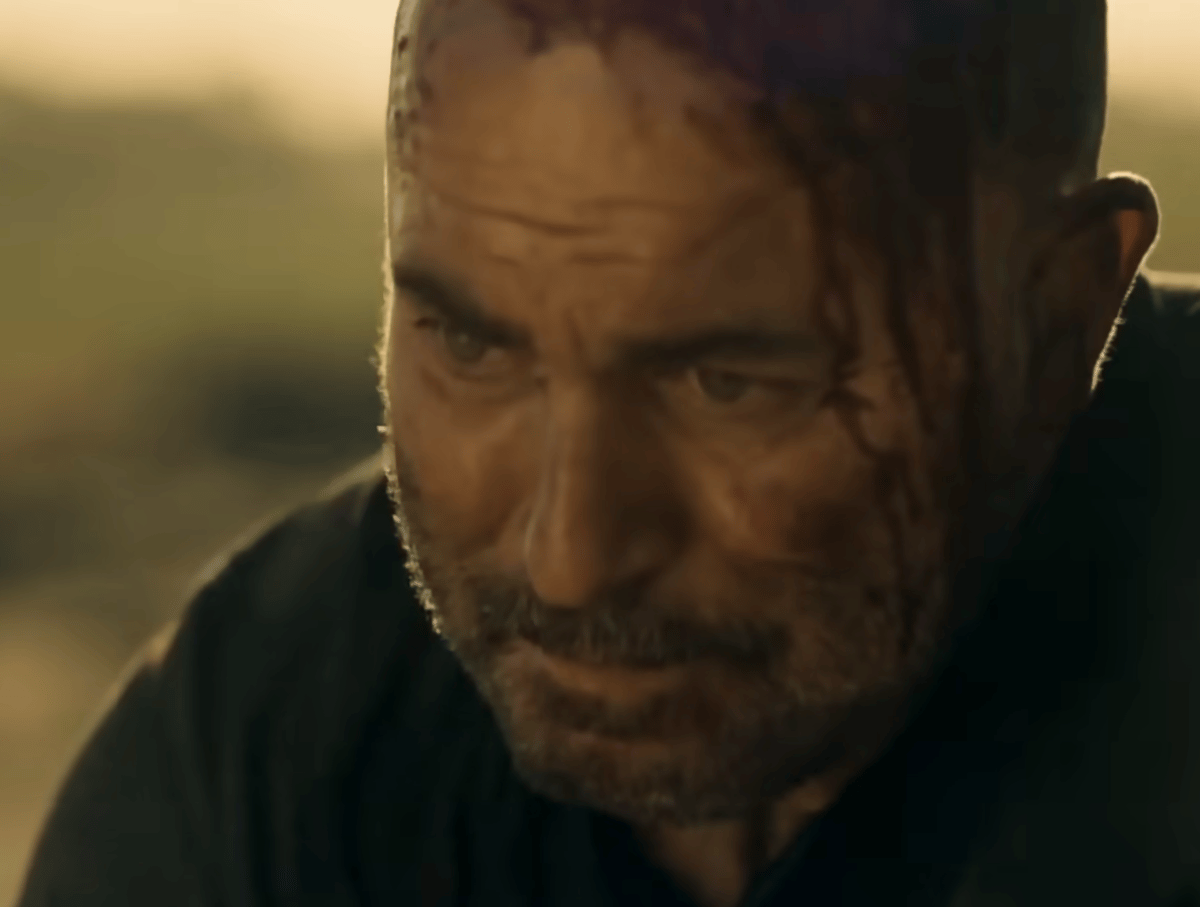
Issacharoff explained why they threw out their finished scripts after October 7: a show about reality in Israel could not ignore the biggest event in generations. "You cannot ignore that," he said. So they didn't. In episodes 7 and 8, it is 6:29 a.m., rockets fill the sky, and Doron and Steve drive through a field as young people flee the Nova festival. They kill several terrorists and try to get survivors out, but the scale and speed of the attack overwhelm them.
Viewers around the world are writing that they wept, that they had to look away, and that the hardest part was knowing the reality was worse. That is what honest art about October 7 does. It does not ask you to applaud. It asks you to witness.
Fauda has never pretended to be neutral, and that honesty is its strength. Years ago, Issacharoff said plainly that he and Raz are Jews, Israelis and Zionists: "We cannot be fair. This is not a joint narrative." NAZA makes the opposite move. It dresses a political verdict in the costume of forensic journalism and asks the world to treat anonymous testimony as settled fact.
And here is the irony that should embarrass every juror in Venice. While European audiences cheered a film accusing Israel of premeditated slaughter, Arab audiences were watching Fauda's October 7 season, pushing it to No. 1 in Lebanon despite that country's boycott law. The Arab world, it seems, wants to see what actually happened. Europe preferred the version that let it feel clean.
Two Israeli productions. One was made by people who buried their colleagues and went back to the front. The other was made for a festival audience that needed an Israeli face to say what it already believed. History will remember which one told the truth about October 7, and which one, made by traitors for the sake of applause, looked away.