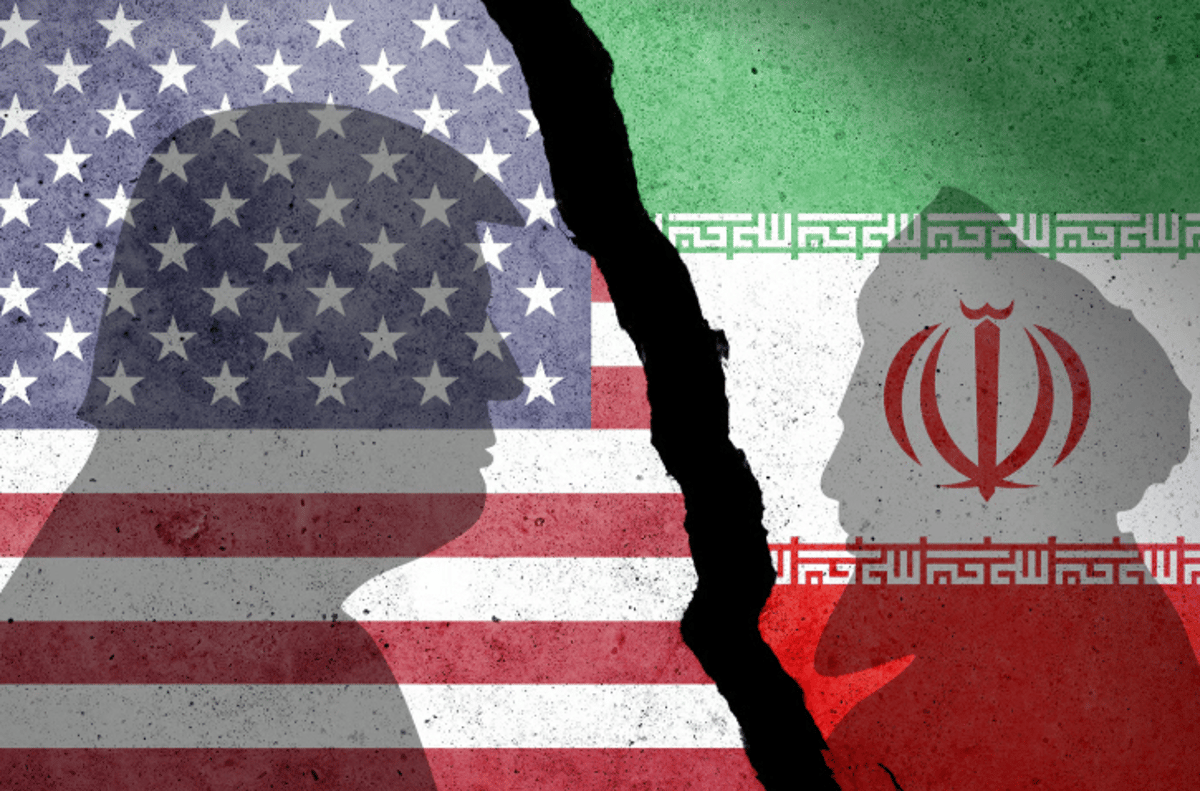
There is something almost astonishing about the latest Iranian threat.
Iran has very little in its hand. Its economy is battered, its oil exports are vulnerable, its military infrastructure has already absorbed serious blows, and its regime remains exposed. Yet from this position Tehran is now threatening war with the United States unless Washington accepts Iran’s demand to control and monetize the Strait of Hormuz.
If Iran succeeds, it will create a dangerous precedent: a hostile state turning an international waterway into a tool of blackmail. Any vessel passing through one of the world’s most important energy corridors would effectively require Iranian permission. The message to the world would be simple: threaten hard enough, disrupt global trade aggressively enough, and eventually America will pay you to stop. Worse, Iran would achieve this after a military confrontation with the United States. In strategic terms, that would not look like compromise. It would look like victory.
The threats coming from Tehran should not be dismissed as theater. The Iranians are serious. They are prepared to kill, die, and sacrifice lives over these issues. That is precisely what American policymakers still struggle to understand. They are not negotiating with irrational actors who behave randomly. They are negotiating with ideological fanatics who pursue their madness with cold strategic logic.
That combination is what makes the regime so dangerous.
At the same time, the debate inside Washington only encourages Tehran. The American attempt to split the Iranian regime between “moderates” who might be satisfied with economic relief and hardliners who want control of Hormuz repeats one of the oldest mistakes in Middle East diplomacy. Iran’s ambitions are not limited. Its appetite grows every time it senses hesitation.
The discussion around Lebanon reveals the same problem. Some in Washington appear willing to tolerate an expanded Iranian sphere of influence if it helps secure a broader deal. Others still recognize the danger. But for Tehran, these divisions are not a reason to compromise. They are an invitation to demand more.
There is also a political clock. Iran understands America’s election calendar. It knows that as the election season approaches, President Trump has less room to maneuver. If he escalates militarily, he risks being pulled into another confrontation in the Middle East at exactly the moment he wants to project strength and control. If he backs down, Iran can claim that America blinked.
That is the trap.
Perhaps there is no clean military solution. Or perhaps there is one, but it would require a level of sustained force and political sacrifice that could damage the presidency before the election. Either way, Tehran believes it has found the pressure point. The Iranians understand that Trump does not want a long war. They understand that Washington wants a deal. They understand that Europe is weak, the Democrats are eager to restrain American power, and the American public has little appetite for another Middle Eastern crisis.
So Iran is doing what it always does: threatening escalation, demanding concessions, and turning Western fear into leverage.
America may still hold the stronger cards. But Iran understands the table better.
And that is why, even with an empty hand, Tehran is playing as if it has already won.