The Algorithm System
In practice, the intricate mechanics of Likud's voting system mean that the raw vote tally often serves as little more than a preliminary recommendation.
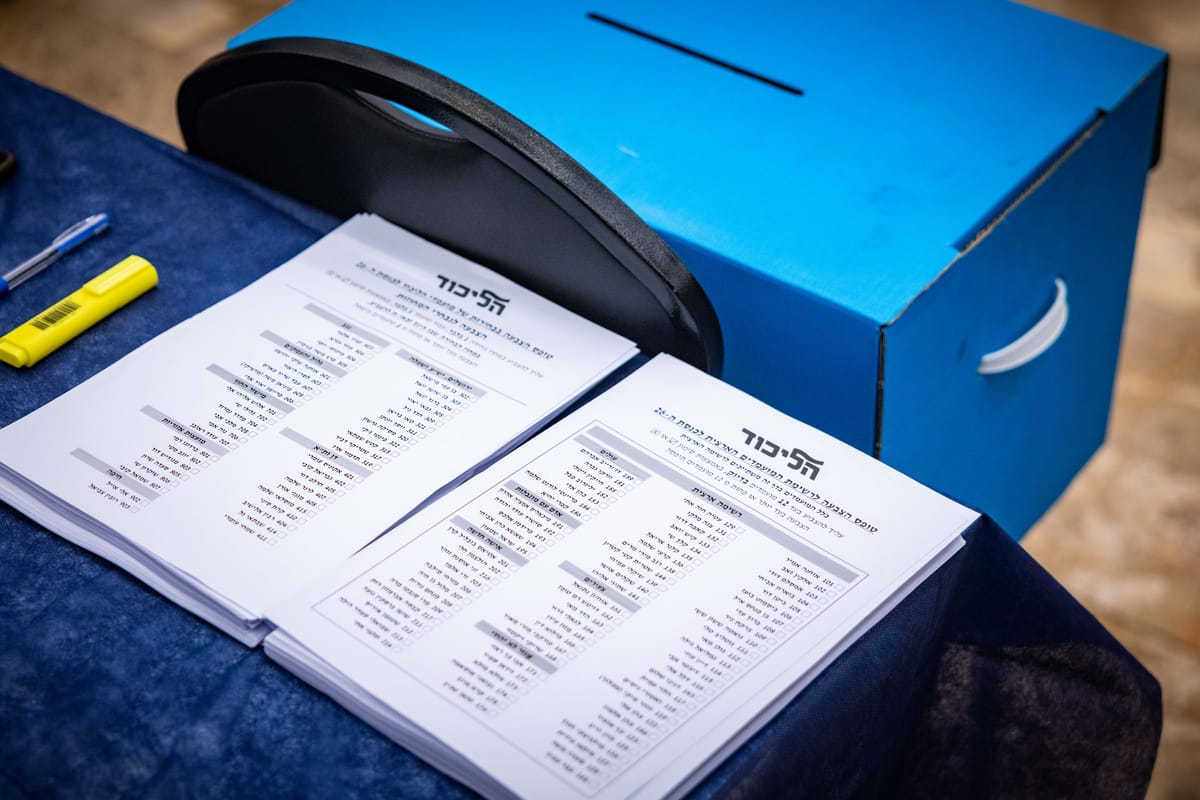
The core structure of Likud's nominating process relies on a complex algorithm designed to balance national ambition with targeted representation. While party members cast direct votes for nationwide figures and local district delegates, the final electoral list is not assembled in direct order of votes received.
Instead, a system of guaranteed representation slots reserved for women, new immigrants, young activists, and specific demographic sectors automatically reshuffles the order, pushing certain candidates forward while relegating others to lower positions. Added to this are reserved district slots and the influence of powerful factional organizers who deploy organized recommended lists to direct block voting across the country.
Internal List Engineering
The most decisive factor altering the primary outcome rests with the powers granted to the party chairman. Through last-minute constitutional amendments, expanded quotas for reserved personal appointments, and external political alliances, numerous realistic Knesset seats are locked in long before the first ballot is cast.
This structural reality often results in popular candidates with broad grassroots backing finding themselves pushed into unrealistic spots on the final slate, not due to voter dissatisfaction, but as a consequence of internal list engineering.
When Israelis head to the polls on election day, voters simply select a unified party ballot. But within the ruling party, the combination of demographic quotas, strategic shifts, and executive interventions transforms the primary process from a direct reflection of member intent into a carefully calculated exercise in political mechanics.