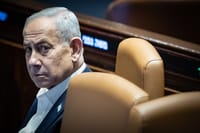
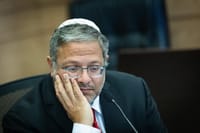
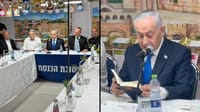
The security justification for Israel Katz's exemption appears particularly weak. If the security situation prevents the defense minister from running a campaign, why did he campaign until now? Why were campaign videos released and political activities conducted? And if it was clear from the start that he needed exemption from competition, why was the decision kept secret and revealed only on the eve of the primaries? Netanyahu may genuinely have wanted to ease his defense minister's burden, but the political result is unmistakable: a senior figure worried about his standing received protection from the voters.
The explanations for the other two reserved slots don't eliminate the troubling optics either. Sa'ar is protected by the merger agreement, Haim Katz by his role as Central Committee chairman, and Israel Katz by his security position. All three are veteran, powerful, experienced politicians. All three are also Ashkenazi. Facing them are dozens of ministers and Knesset members, many of them Mizrahi, people from the periphery and the grassroots, who are being sent to fight over a shrinking number of realistic positions.
In addition to these three, Netanyahu yesterday also reserved a spot for Oren Dobronsky, the first candidate from outside the list, but he too fits a similar profile: Ashkenazi, who made his fortune in Silicon Valley.
There's nothing inherently wrong with reserving a seat for an Ashkenazi candidate, and ethnic origin alone isn't an argument against any individual. Likud should be a broad and diverse movement. But it's hard to ignore the cumulative picture: the diversity Netanyahu speaks about consistently operates in one direction. The populist, vocal, Mizrahi list—the one that brings in the votes and fights for him in studios and on the ground—he seeks to restrain and thin out. The elite figures from security, economics, and the center, who are supposed to give him a more statesmanlike image, he brings in through the fast track.
This isn't just an ethnic debate. It's a question of how voters are treated. Netanyahu appears to believe that Likud's Mizrahi base is a captive audience: they'll be angry at home, grumble at the local branch, perhaps curse in WhatsApp groups—and on election day, they'll come back home.
He sees that Knesset members who oppose his moves brief reporters anonymously, but almost all are afraid to speak on the record. I spoke with several of them myself. They spoke sharply but wouldn't stand behind their words publicly. I saw no point in publishing a rebellion that no one was willing to conduct in their own name.