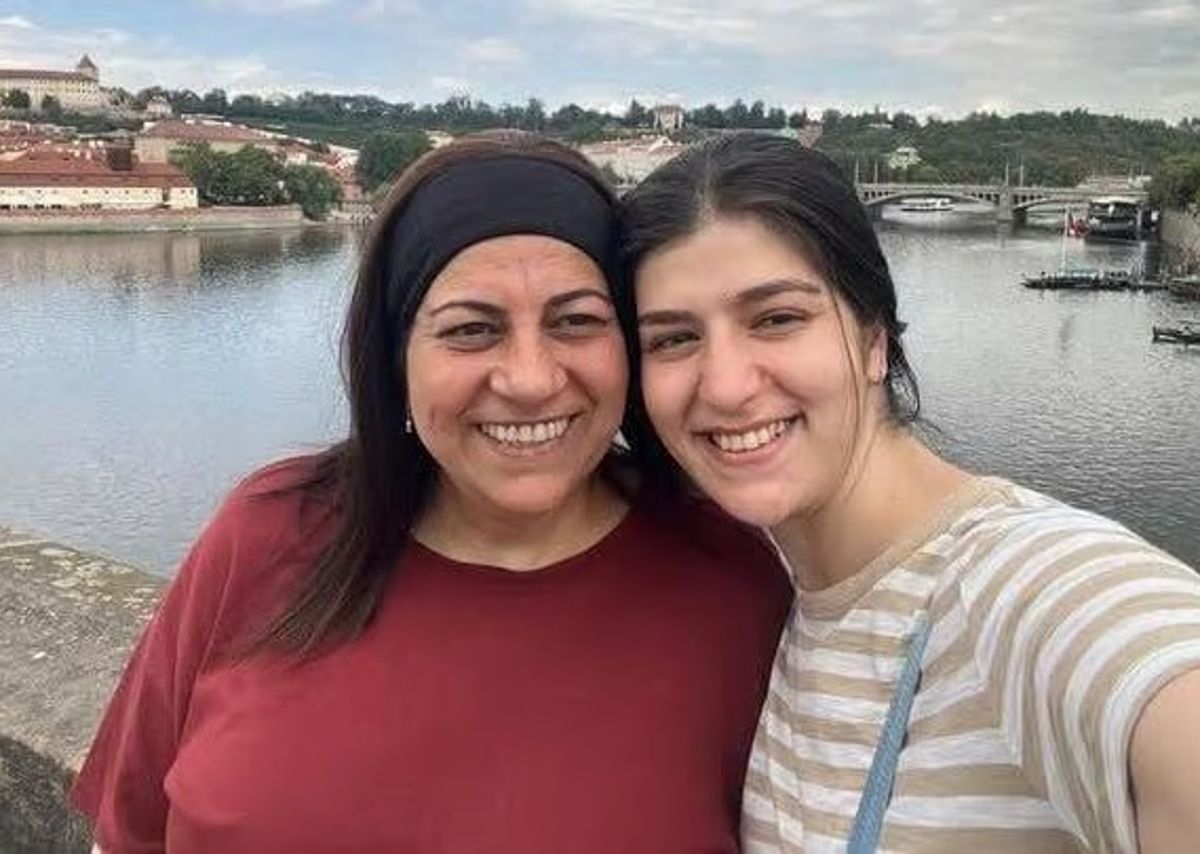
When Israeli police located Mally and Liel Yehalomi in Argentina after a globe-spanning search involving intelligence coordination, international law enforcement cooperation, and advanced technology, the operation drew well-deserved praise.
Within days, investigators had decoded an escape plan, penetrated digital smokescreens, and tracked down the two women on the opposite side of the world. Yet this very success raises uncomfortable questions about routine police work.
From an organizational perspective, this brilliant operation serves as a mirror reflecting the culture of everyday policing. In management and tech circles, there's a concept called a "hack", a quick, creative, one-time workaround for an urgent problem. When a startup does this in its early stages, it demonstrates healthy flexibility. But when a public institution delivers peak performance only when its back is against the wall, media attention is intense, and national drama unfolds, that's no longer flexibility.
It's a management weakness. Quality organizations aren't measured solely by their ability to mobilize exceptional resources during emergencies. They're measured primarily by their execution level on ordinary days, when nobody's watching. The tools, resources, and technological capabilities didn't materialize the moment they disappeared. They existed beforehand. The troubling question is why such capabilities don't become standard operating procedure, but are deployed at full strength only when an incident forces the system to wake up.