Not good for Israel

Trump's Iran Deal Leaves Israel Exposed: Expert Warns of 'Dangerous Holes' in Emerging Agreement

Dr. Shai Har-Zvi warns Trump's pivot to diplomacy creates strategic trap • Deal ignores missiles, proxies, underground facilities | The full analysis (Analysis)

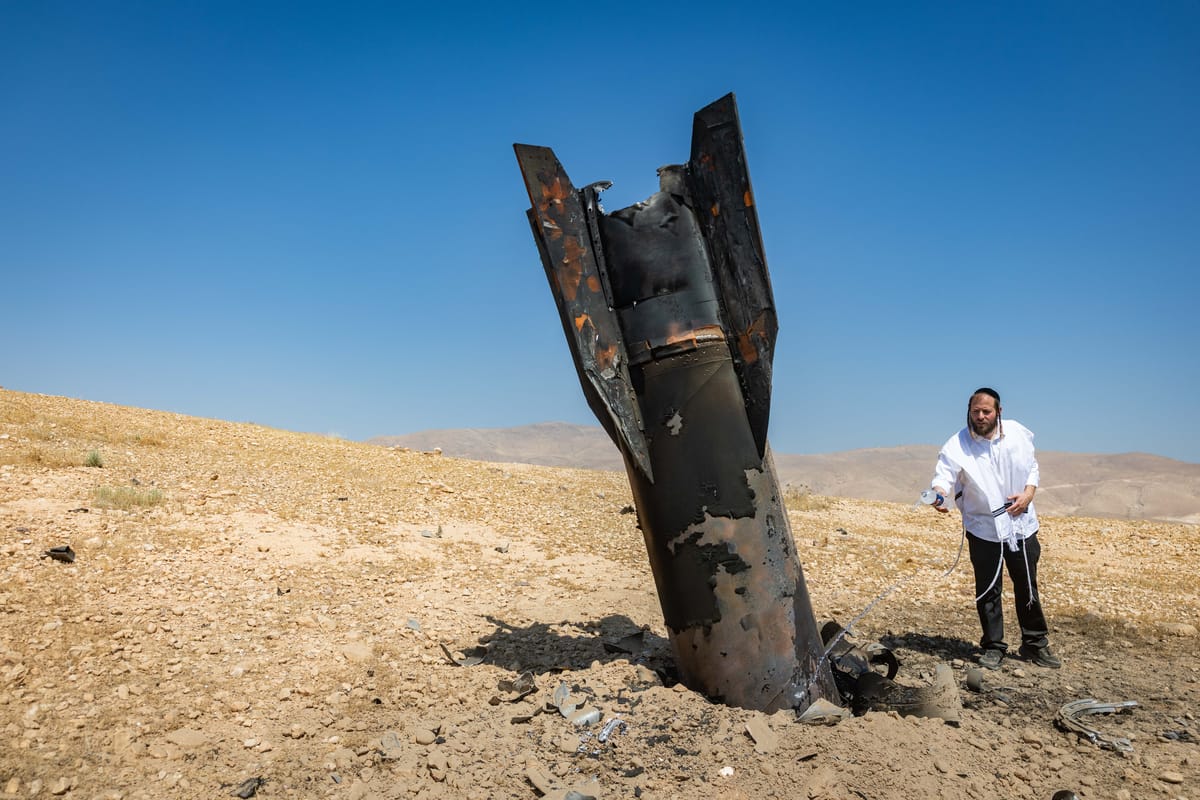
Iranian missile in Vered Jericho desert, June 8, 2026
Iranian missile in Vered Jericho desert, June 8, 2026 (Photo: Chaim Goldberg / Flash90)

President Donald Trump's rapid pivot from military confrontation to diplomatic engagement with Iran has left Jerusalem in a precarious strategic position, according to Dr. Shai Har-Zvi, a senior expert on strategy and security at Reichman University.

In a detailed interview with Kikar Hashabat, Har-Zvi warned that the emerging framework agreement contains "dramatic holes" that could enable Tehran to preserve its nuclear infrastructure while constraining Israel's military options across multiple fronts.

The shift came with stunning speed. Just days ago, the Trump administration appeared poised for direct military action against Iranian targets. Now, according to sources familiar with the negotiations, Washington is pursuing a 60-day interim agreement designed primarily to serve American domestic interests — including midterm elections and the World Cup — while securing the immediate reopening of the Strait of Hormuz and the release of oil tankers caught in the standoff.
The Nuclear Illusion

From Israel's perspective, the deal taking shape represents a strategic failure on multiple levels. According to publicly available details, the current framework makes no mention of Iran's ballistic missile program, offers no mechanism to dismantle Tehran's network of regional proxies, and most critically, fails to address the nuclear program in any meaningful way.

Trump has pledged to American voters that Iran will not go nuclear on his watch, and may tout the removal or dilution of 440 kilograms of uranium enriched to 60 percent as a major achievement. But Har-Zvi dismissed this as purely cosmetic. "The deal leaves massive gaps," he stated. "It completely ignores uranium enriched to 20 percent, the advanced centrifuges, and the fortified underground nuclear facilities, all of which remain operational without intrusive oversight."

The expert warned that Iran's leadership views the timeline through a fundamentally different lens than Washington. Tehran has demonstrated extraordinary skill at delay and deception over two decades, and regime officials understand that Trump's presidency ends in January 2029. For the ayatollahs, sanctions relief and an influx of cash represent a lifeline that will allow the regime to survive economically while preserving the infrastructure needed to break out toward a bomb the moment a different American administration takes office.

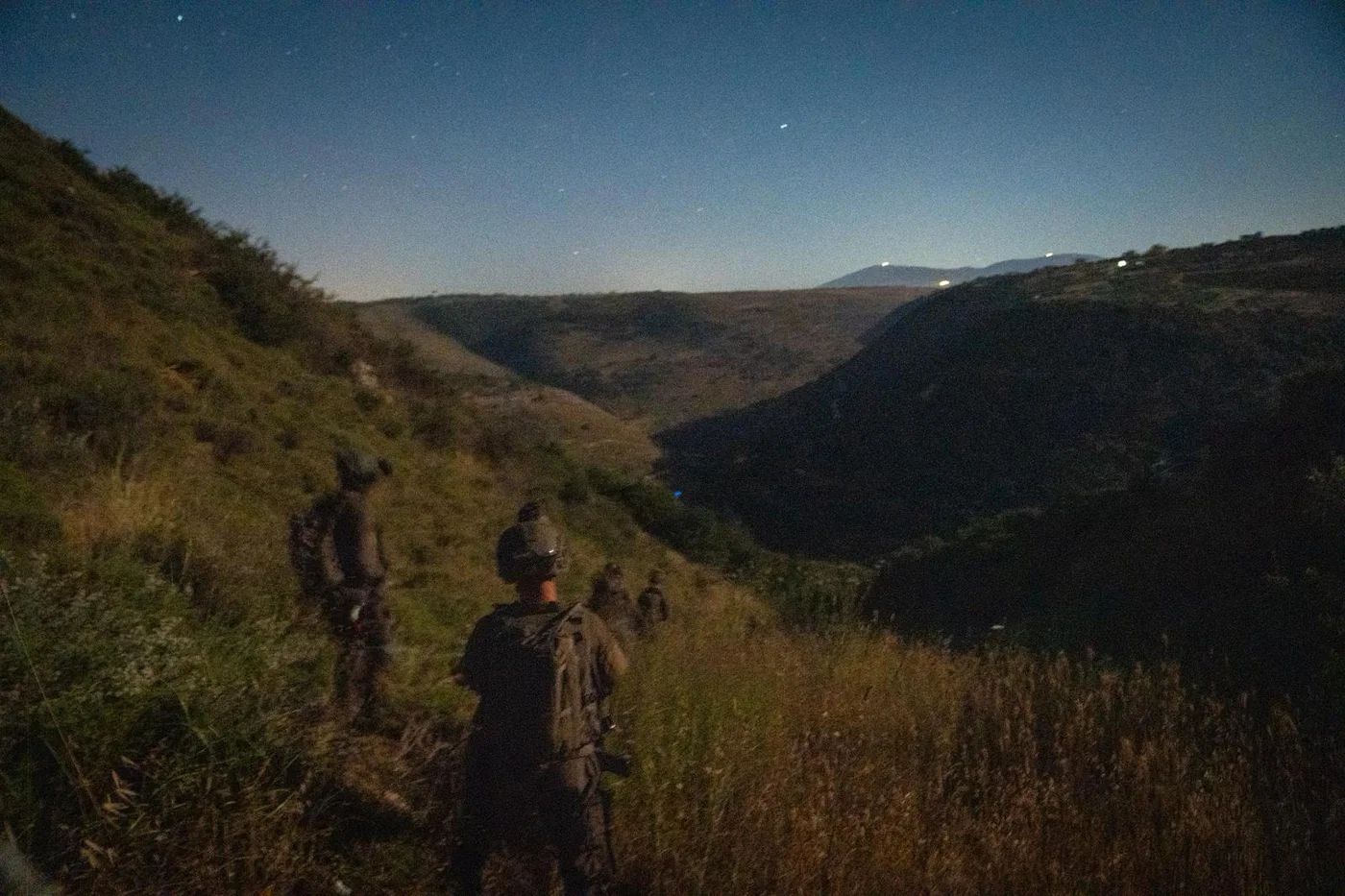
IDF forces in Lebanon
IDF forces in Lebanon (photo: IDF Spokesperson Unit)

The Lebanon Constraint

The emerging agreement's impact extends far beyond Tehran, directly affecting Israel's operational freedom on its northern border. Iran has successfully linked the nuclear negotiations to the Lebanon theater, creating what Har-Zvi described as a "painful loop" that dramatically restricts IDF maneuverability.

Trump, determined to avoid any Israeli military action that could derail the talks, has applied intense pressure on Jerusalem to limit its response to Hezbollah provocations. The result is a dangerous asymmetry: Hezbollah continues firing at IDF forces operating in southern Lebanon while carefully minimizing direct strikes into Israeli territory. This tactical restraint allows the terror organization to maintain pressure while giving Washington political cover to demand Israeli restraint.

"Israel finds itself unable to respond effectively because the fire is technically not directed at the home front," Har-Zvi explained. "This is a loop Israel cannot accept or normalize. It endangers soldiers' lives and prevents northern residents from returning home, all while Israel is constrained from acting decisively against Hezbollah."

The expert emphasized that Jerusalem must find a way to decouple the theaters and continue military operations against Hezbollah regardless of American diplomatic timelines.

Jerusalem's Moment of Truth

The current situation places Prime Minister Benjamin Netanyahu and Israel's security leadership at a critical juncture. Despite the complex messaging from Washington, Har-Zvi argued that this is precisely the moment for Jerusalem to leverage every channel of influence to ensure that any final agreement addresses Israel's core security requirements.

But Har-Zvi warned that as long as Supreme Leader Mojtaba Khamenei and the Islamic Revolutionary Guard Corps remain in power, the multidimensional threat to Israel will persist. "Israel cannot allow itself to become accustomed to this reality," he stated. "It must develop a long-term strategic plan aimed not merely at delaying the inevitable, but at undermining and ultimately toppling the radical regime in Tehran for the security of future generations."

Ready for more?

Join our newsletter to receive updates on new articles and exclusive content.

We respect your privacy and will never share your information.