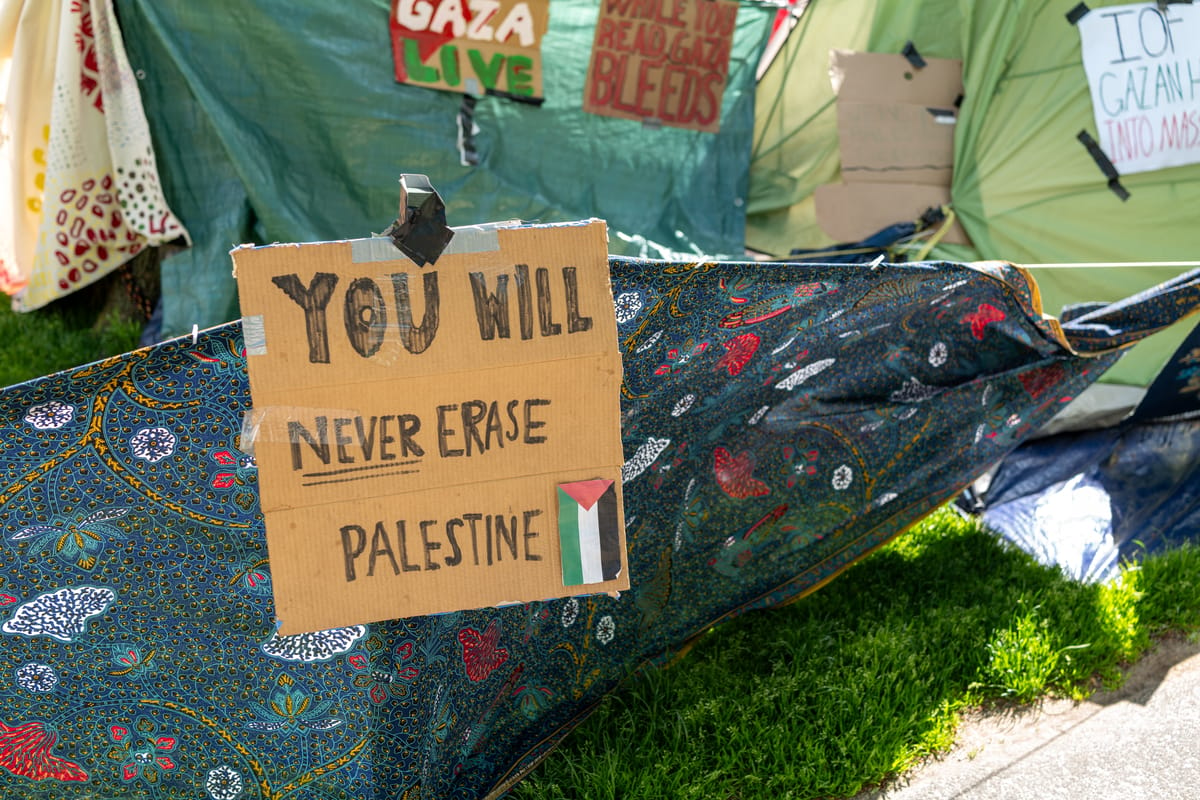
The disruptions follow a turbulent year at Cambridge. In May and November 2024, C4P set up encampments on Senate House lawn and King’s College, with some protests escalating to vandalism, including red paint splashed on Senate House to symbolize “Palestinian bloodshed.” In March 2025, the university secured a High Court injunction to bar protests at key sites, including Senate House, until July 26, 2025, citing disruptions to over 1,600 students’ ceremonies in 2024. Despite this, a rally occurred outside Great St Mary’s Church during a March ceremony, and the July protests suggest activists continue to skirt restrictions.
On X, voices like @Bubblebathgirl decried the protests as inappropriate, with some labeling them antisemitic, especially given the timing after the October 7, 2023, Hamas attacks. A Telegraph opinion piece called the actions “narcissistic,” arguing they overshadowed the achievements of graduates, including Jewish students who might feel targeted.
C4P and the European Legal Support Center criticized the university’s injunction as a “chilling” attack on free speech, claiming it unfairly targets pro-Palestinian activism.
This incident echoes a recent controversy in Puerto Rico, where Paradise Tours PR denied service to Shana Shabat, an American Jewish woman, with an email stating “Free Palestine” and refusing to “host so called Israelis.” Both cases highlight the provocative use of the “Free Palestine” slogan in non-political settings, raising concerns about discrimination. In Cambridge, the protests disrupted a cherished tradition; in Puerto Rico, they led to a refusal of service based on perceived identity. Both have sparked accusations of antisemitism, countered by activists’ insistence on the legitimacy of their cause.
Cambridge’s Jewish community, part of a small but vibrant population in the UK, has felt the strain. With a history of contributions to academia and culture, the community now navigates a campus where pro-Palestinian activism has grown increasingly visible. The university, faces mounting pressure. As one graduate told Varsity, the protests felt “unfair” to families who traveled far to celebrate, while a professor named in the injunction, Hank Gonzalez, decried the university’s “repressive” tactics.
The claim of Indigenous-style face paint, noted in the Instagram post, remains unverified but hints at solidarity between Palestinian and Indigenous causes, a theme in global activism.
What is clear is that Cambridge, a bastion of tradition, is now a flashpoint for a broader "cultural struggle". If protests can disrupt its tightly choreographed graduations, as @avishagtheone argued, it signals a deeper shift in how ideology shapes even the most sacred academic spaces.