Institutional Response: Cornell Acts
Cornell University promptly reported the exchange as a bias incident to its Office of Civil Rights. The university issued statements condemning antisemitism and all forms of hate, emphasizing its commitment to a safe environment. Handshake reportedly reviewed the matter for potential terms violations. As of mid-June 2026, details on any formal discipline remain limited.
The Einhorn Family and VryfID
The Einhorn brothers come from a family with deep roots in business. Their father, Shimon (an Israeli immigrant), founded what became Contempo Space, a modern furniture and cabinetry manufacturer serving multifamily housing (kitchens, vanities, closets). The family has redevelopment projects in Passaic, NJ, including Factory220 event space. Gabe has worked in national sales for the family business alongside building VryfID.
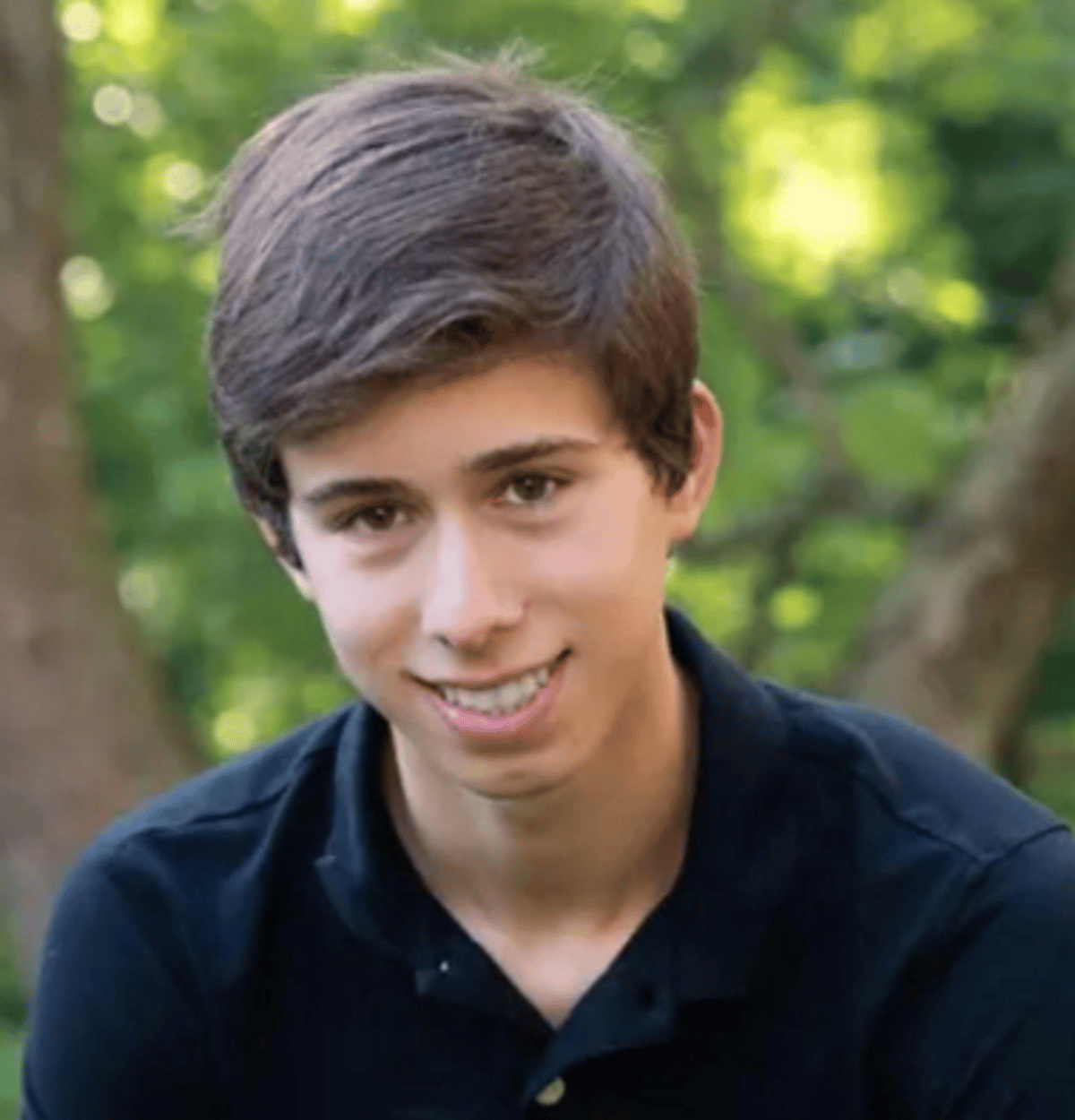
Gabe has been outspoken: He expressed shock at the bluntness of Franco’s message and framed the post as awareness-raising amid surging campus antisemitism (Cornell has faced repeated criticism in recent years). He and Aiden appeared in media interviews (Fox, Campus Reform, etc.), stressing they wanted to hire talent regardless of background but could not ignore open discrimination.
The Backlash Against Gabe Einhorn: Doxxing Accusations and Review Campaigns
While many praised Gabe for exposing unfiltered antisemitism, a fierce counter-reaction emerged, often overlapping with antisemitic voices defending Franco.
Doxxing Claims: Critics argue that even the redacted post enabled rapid identification and harassment. They portray Gabe, whose company handles sensitive personal data for identity verification, as hypocritical for “leaking” details of a private message. Some far-right and conspiracy accounts accused him of vindictiveness or leveraging “Jewish influence.” Gabe has pushed back, noting Franco’s own public posts and follow-up made exposure inevitable.
Review Bombing: VryfID faced coordinated 1-star floods on Trustpilot, Google, and other sites, tanking ratings temporarily. The campaign extended to family businesses Contempo Space and Factory220, with fake negative reviews and antisemitic comments. Gabe publicly called this out: “First they come after you, then your business, then your family… Now it’s too far.”
Broader Attacks: Harassment included threats, slurs, and death wishes directed at the Einhorns. Some framed the episode as “cancel culture” against a student or questioned why a Sunday interview request (a point raised by some defenders) wasn’t considered cultural incompatibility rather than hatred. Gabe has highlighted the hypocrisy and the normalization of Jew-hatred.
Polarized Public Reaction and Support for Franco
The story split audiences sharply:
- Condemnation of Franco: Mainstream outlets (NY Post, Times of Israel, Fox, JPost), Jewish organizations, and many conservatives viewed it as emblematic of unchecked campus antisemitism post-Oct. 7.
- Supporters of the Einhorns, including figures like Joe Lonsdale, emphasized personal responsibility.
- Support for Franco: A GiveSendGo fundraiser for him (framed as “after Jewish doxxing”) raised over $11,000 quickly.
- Confusion arose with unrelated Austin Francos (e.g., a Texas lawyer who distanced himself).
Franco has received job offers from supporters and remained somewhat defiant, though he deleted some posts.