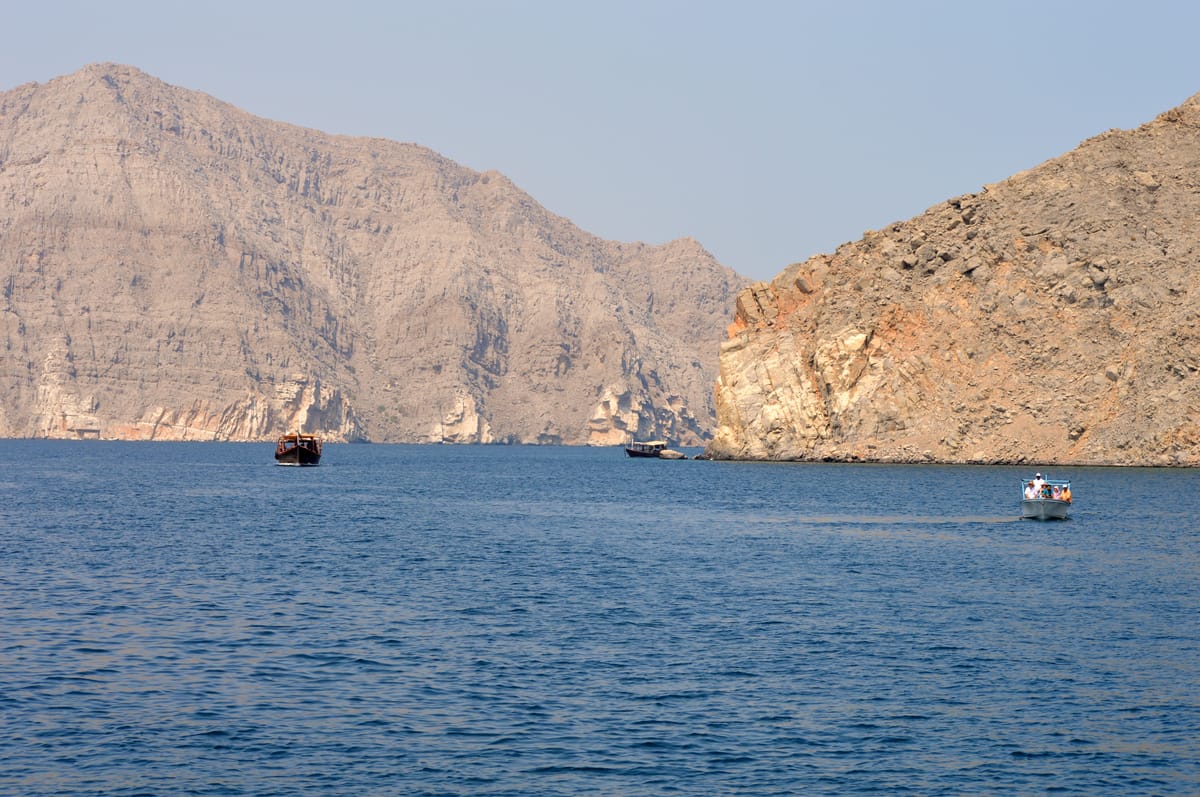
Iran rejected the latest United States proposal to reopen the Strait of Hormuz on Monday, with Tehran insisting the strategic waterway will remain closed until the complete end of the war, according to reporting from the pro-Hezbollah Al-Mayadeen network citing an Iranian source.
The unnamed Iranian source said Washington had offered Tehran a concession related to the closure of the strait's southern route, but Iran declined the proposal. The rejection marks a continued stalemate in efforts to manage the critical shipping channel, which has been effectively closed since the US-Iran conflict began on February 28, 2026.
Iran's Foreign Ministry spokesperson Esmail Baghaei stated on Monday that Iran is not currently holding talks with the United States and is instead negotiating with Oman over a temporary safe route through the Strait of Hormuz. Baghaei's statement directly contradicted President Trump's recent claims that an agreement on quickly reopening the strait had been reached or that direct US-Iran negotiations were beginning.
The latest rejection comes amid broader deadlock over maritime management of the Strait of Hormuz. Iran's Deputy Foreign Minister Kazem Gharibabadi previously stated that Iran ultimately rejected an Omani proposal based on its own national security concerns, saying Iran's counterproposal would give Tehran more control over the waterway.
Gharibabadi warned that the strait will remain closed if Oman rejects the plan, and cautioned that the Strait of Hormuz could not return to pre-war arrangements when ships passed without paying any form of toll.
The Strait of Hormuz carries approximately 20 percent of global oil and liquefied natural gas supply. The waterway has been at the center of escalating tensions since late February 2026, when US and Israeli strikes targeted Iranian military facilities.
A ceasefire agreement reached in June 2026 temporarily reopened portions of the strait, but that arrangement collapsed in early July after Iran fired on vessels using a shipping channel that Tehran did not recognize. The collapse prompted renewed military escalation in the region.
Iranian officials continue to tie any resolution of the Hormuz crisis to broader resolution of the conflict itself. Al Jazeera reported that Oman is considering yet another proposal that could include three routes for maritime traffic: one running through Iran's territorial waters, an international lane, and a third running through Omani waters, with unclear prospects for Iranian acceptance.
Points of ongoing contention include the direction of passing ships, fees to be collected, authority over maritime arrangements, and mine clearance operations in the strait