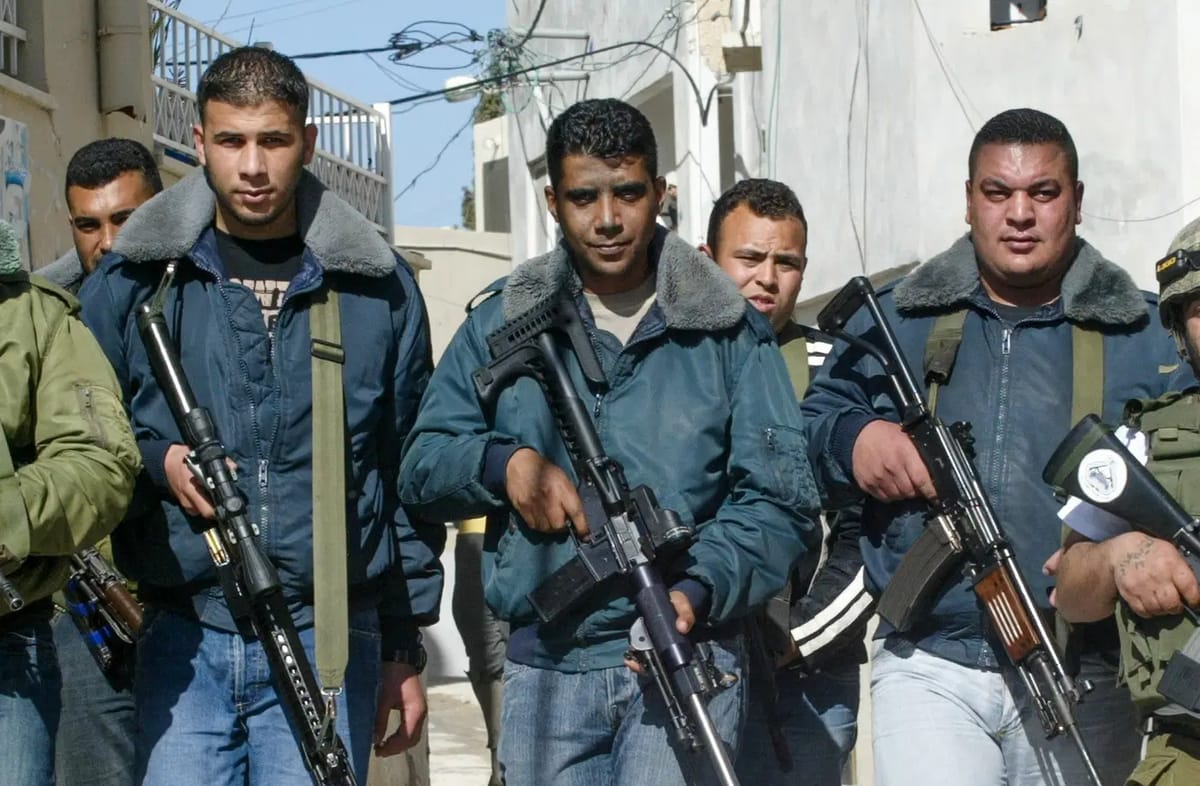
The Israel Security Agency released senior Fatah official Jibril Zubeidi from administrative detention on Monday following the expiration of his custody order. Zubeidi, a resident of Jenin, had been held in Israeli custody since 2023, with his detention period extended repeatedly following judicial reviews until the final order elapsed.
Zubeidi is the brother of Zakaria Zubeidi, a former commander of the Al Aqsa Martyrs Brigades who currently serves as the head of the Prisoner Authority within the Palestinian Authority. Zakaria Zubeidi previously received conditional amnesty under the wanted persons agreement, but later resumed hostile activities before being re-arrested by security forces.
Zakaria Zubeidi gained international attention following his escape from Gilboa Prison alongside five other inmates, before being recaptured by security personnel days later. He was ultimately released in January 2025 as part of an exchange agreement, having been held responsible for numerous attacks, including a 2002 attack on a Likud branch in Beit She'an that resulted in the deaths of six Israelis.
In an interview published by the New York Times, Zakaria Zubeidi expressed doubts regarding the long term effectiveness of armed opposition strategies.
"None of these things helped in establishing a Palestinian state, and it may never do so," Zakaria Zubeidi stated during the interview.
The release of Jibril Zubeidi comes as Israeli security forces maintain intensive counterterrorism operations across the Jenin area. The Zubeidi family has long been identified by security officials as a central faction involved in armed activities within Samaria.
Concurrently, legal proceedings continue against other regional operatives, including an indictment filed against Nur al-Shams battalion commander Kamal Khatib regarding an explosive device deployment in July 2024 that resulted in the death of Master Sergeant Yehuda Geto.
According to statements provided to Kikar HaShabbat, security officials continue to monitor high profile detainees returning to the Jenin sector to prevent the revitalization of regional military infrastructure.