Get our mobile app
Download on the App StoreGet it on Google Play

Ten Minutes to Tehran

Trump and Netanyahu Hold Call on Iran

President Donald Trump held a phone call with Prime Minister Benjamin Netanyahu on Saturday and later said the United States could strike Iran's remaining nuclear sites 'in ten minutes.'

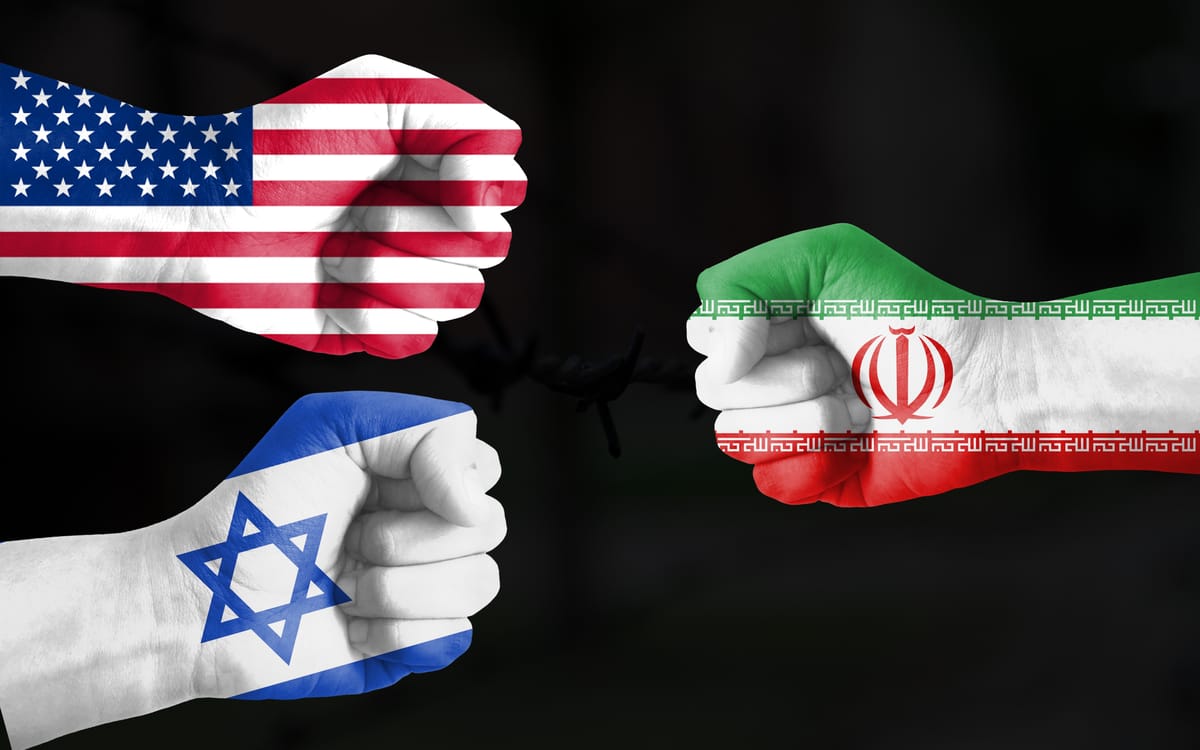
USA and Israel vs Iran

US President Donald Trump spoke by phone with Prime Minister Benjamin Netanyahu on Saturday as Washington considers resuming military action against Iran, The Wall Street Journal reported. Hours later, overnight into Sunday, Trump declared that the United States could hit what is left of Iran's nuclear program "in ten minutes."

For Israelis and those with family in the country, the timing is what matters. A senior Israeli official said Saturday evening that "it looks like we're heading toward war rather than an agreement," Ynet reported. The official said Israel is getting ready in case fighting resumes right after Tuesday's US midterm elections.

The Journal did not disclose what the two leaders discussed. Ynet reported that the call took place on Saturday morning, US time. It followed a White House meeting on Thursday at which Adm. Brad Cooper, commander of US Central Command (CENTCOM), briefed Trump on military options against Iran. Pete Hegseth attended. So did Gen. Dan Caine, chairman of the Joint Chiefs of Staff.

Trump was specific about the targets that remain.

"There are 'one or two sites' left that need to be dealt with, including Pickaxe Mountain. We can do it in ten minutes. We have a plan for it, and we can execute it very quickly."

He voiced doubt about Tehran's reliability at the negotiating table. "They want to reach an agreement, and we will see what happens. Things are moving along fine, but they are not really reliable. They reach an agreement and then back out," Trump said. On Friday he told reporters that Iran was failing to pay its soldiers and police, adding: "We have time, frankly. It's a war, but it is not a typical war."
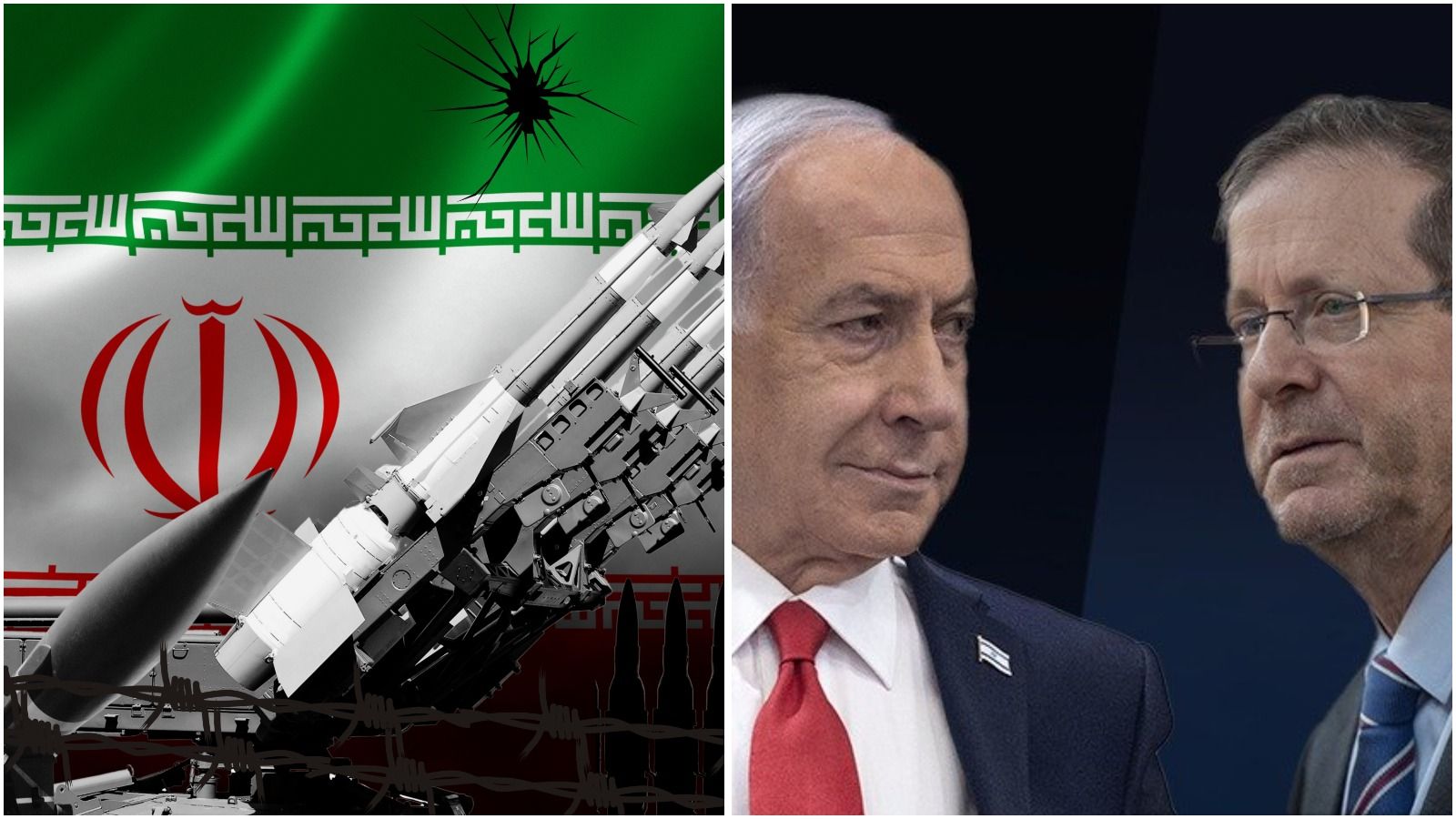

Between government formation and the Iranian threat
Between government formation and the Iranian threat (Photo: Shutterstock/Yonatan Zindel/Miriam Alster/Flash90)

Secretary of State Marco Rubio said on Saturday that Trump had not decided whether to order fresh strikes and preferred a diplomatic outcome. Speaking after a G20 foreign ministers' meeting in Atlanta, Rubio stated: "We can achieve military objectives if we seek to. He hasn't made a decision." Any settlement, he added, must address core US security concerns, including keeping nuclear weapons out of Iran's hands.

Another Israeli official said the talks had stalled. "The negotiations are stuck, especially now. Someone will have to compromise, and the Iranians are not moving toward a compromise," the official said. "If all the conditions fall into place, there will be a strike, even if only to accelerate the regime's collapse or move negotiations forward."

The Jerusalem Post reported that defense officials assess the White House will not order an operation before the elections unless it detects preparations for a surprise attack.

Last week, ten US Air Force transport aircraft that came from Fort Bliss in Texas landed at Israeli Air Force bases in southern Israel, KAN News reported. Other planes in the same convoy touched down in Jordan, Qatar and Saudi Arabia.

Diplomatic contacts are running in parallel. A Qatari delegation held talks in Tehran on Friday, and Iranian negotiators met Qatari mediators in Doha on Saturday after more than 12 hours of discussions the day before, Reuters reported. A source told the agency the talks were being coordinated with Washington.

Sources involved in the mediation told the Qatari newspaper Al-Arabi Al-Jadeed that preliminary understandings had been reached on Iran's nuclear program, shipping through the Strait of Hormuz and economic incentives for Tehran, with China and Russia expected to serve as guarantors. The Qatari proposal would phase in nuclear restrictions and the reopening of Hormuz in stages, with each Iranian step matched by US easing of the blockade and sanctions or the release of frozen Iranian funds.

In a written statement attributed to him, Iran's supreme leader, Mojtaba Khamenei, said that "every level or type of threat must be met with an immediate and effective response, without geographical restrictions," and ordered an update of Iran's military target list. Mohsen Rezaei, described by i24NEWS as Iran's top security official, said Tehran was debating whether to keep its ban on nuclear weapons if hostilities resume, though no formal decision had been taken.

As JFeed reported on Sunday, three senior Gulf Arab officials said Washington had warned Gulf allies to prepare for a possible new round of strikes as early as November 4, the day after the midterms. Axios reported that Treasury Secretary Scott Bessent is among the aides advising Trump to give the economic pressure campaign more time before any return to combat.

Ready for more?

Join our newsletter to receive updates on new articles and exclusive content.

We respect your privacy and will never share your information.

Enjoyed this article?

Yes
No
Follow Us:

Unmissable content


Loading comments...

Also of Interest