Get our mobile app
Download on the App StoreGet it on Google Play

Tensions peak in Middle East

Iran: "Negotiation window closed"

Senior Iranian officials say the window for talks with the US and Trump envoys has shut, threatening a sweeping response. Meanwhile, Lebanese President Aoun holds cautious dialogue with Hezbollah leadership.

Iran Declares Negotiation Window Closed; Lebanon Fears Third Round of War 

The Middle East stands on the brink of another escalation, according to threatening messages emerging from Tehran and mounting fears in Beirut. While Iran declares that "the negotiation window has closed" and threatens an unprecedented response, Lebanon worries that Supreme Leader Ali Khamenei is pressuring his regional proxies to take action.

Iranian Parliament Deputy Speaker Ali Nikzad delivered a sharp message to the West regarding the nuclear issue. "Our enemies must understand that the Iranian people, under any circumstances and under any pressure, do not intend to negotiate on the nuclear issue," Nikzad declared.

According to him, Tehran has exhausted diplomatic channels: "This nation gave its enemies enough opportunities for negotiations on this matter, but faced repeated violations of agreements and attacks on nuclear facilities. Now, this negotiation window has closed to our enemies, because they have nothing new to offer."
The Iranian military spokesman joined the bellicose messaging, threatening an unprecedented response to any attempted strike by the US or its allies. "Any further aggression will be met with an immediate, decisive response, broader than before," the spokesman clarified. He added a geopolitical warning: "If a new war breaks out, the combat zone will not be limited to the Middle East. The process of changing Iran's combat approach, from a purely defensive posture to an offensive one, began long ago and could be seen practically in the recent war as well."

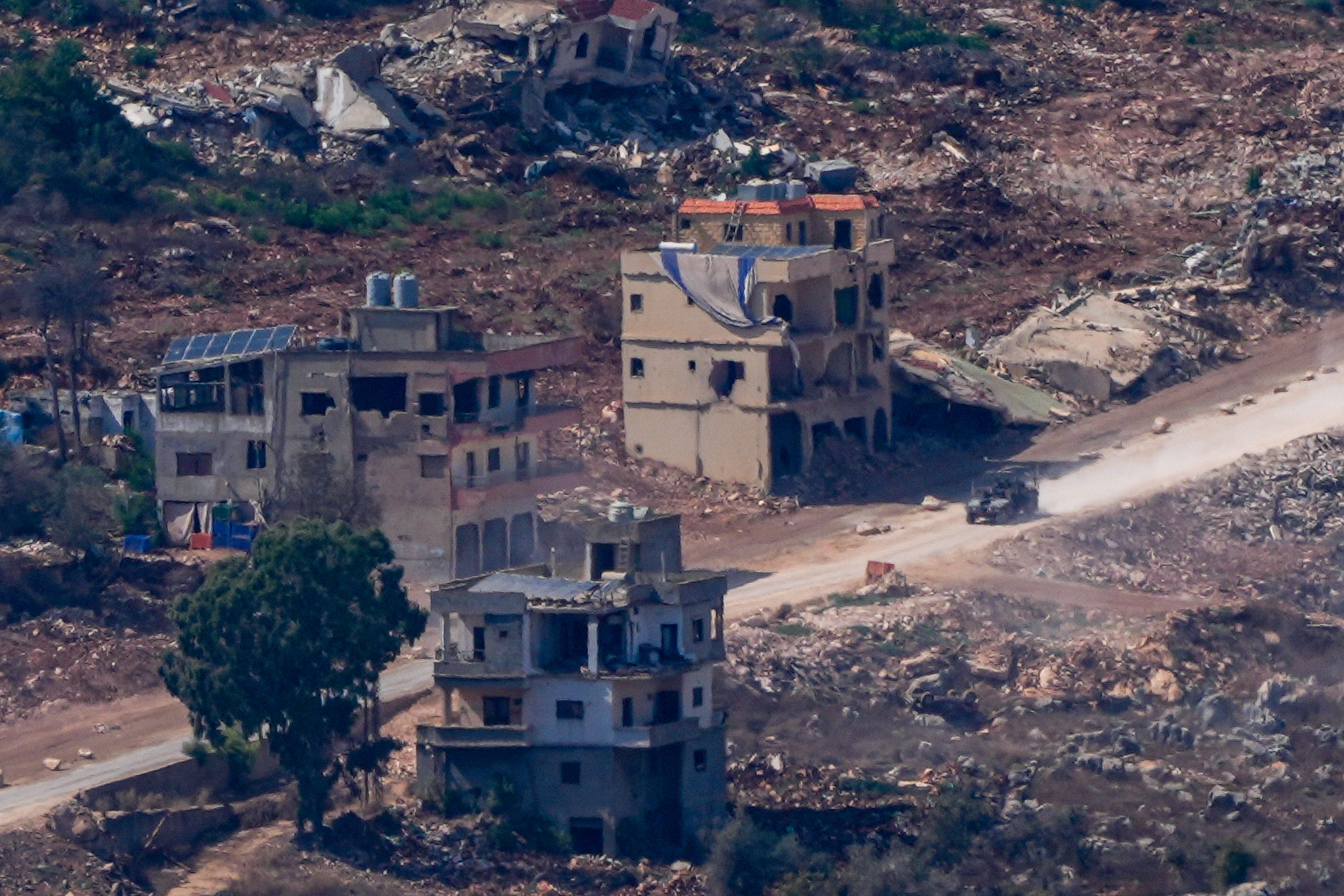
Lebanon: Fear of Being Dragged Into a Third Round

The tension in the Middle East is acutely felt in Beirut as well. A Lebanese political source told the newspaper Nidaa al-Watan that Supreme Leader Ali Khamenei's recent speech, in which he warned the US and Israel against further confrontation, "was also intended to convey a message from Iran to its regional arms to initiate action in support of it should a new confrontation break out."

The source warned of "the consequences of Lebanon being dragged by Hezbollah into another round of war," claiming such a move "would collapse all the state's efforts to ensure stability and sustainable peace, which are the goal of the negotiations, which Hezbollah is trying to sabotage by every means."

The newspaper Al-Sharq al-Awsat also reported growing fear in Lebanon of a third war round erupting against Israel. According to the report, despite Hezbollah's assurances that it will not join a new confrontation, Lebanese President Joseph Aoun finds it difficult to rely on these declarations as similar promises were given before the fighting round last March, but the organization reversed course and joined the battle.

Lebanon
Lebanon (Photo: Eyal Margolin, Flash90)

Against the backdrop of the tension, cautious dialogue is now underway between President Aoun and the Hezbollah leadership. At the same time, US Secretary of State Marco Rubio warned Aoun in a phone call of the devastating consequences that would befall his country in the event of further intervention by the terror organization.

Diplomatic contacts between Lebanon and Israel have hit a wall. No new date has been set for another round of talks, and according to Lebanese reports, the main reason for the delay is waiting for the results of the US midterm elections and a resolution to the complicated political situation in Israel.

Beyond internal politics, there is also a professional dispute. An official Lebanese source revealed that Israel and Lebanon are divided over which body will verify the removal of weapons from the trial zones. While Israel demands the task be entrusted to non-governmental organizations, Lebanon objects. Israel rejected the Lebanese counter-proposal to enlist the ceasefire observer force operating in the country since 1949.

In addition, sources who met with President Aoun claimed that the Lebanese army's refusal to open a direct communication channel with the IDF comes at his direct instruction, as according to him "the conditions for this have not yet matured" due to IDF activity.

Lebanon also addressed the explosives seized from Hezbollah operatives. An official source clarified that the affair "is being handled through legal proceedings," and emphasized that such actions are part of the state's commitment to concentrate all weapons in its hands, while rejecting reports of American pressure to intensify measures against the organization.

Ready for more?

Join our newsletter to receive updates on new articles and exclusive content.

We respect your privacy and will never share your information.

Enjoyed this article?

Yes
No
Follow Us:

Unmissable content


Loading comments...

Also of Interest