Before formal coalition talks have even begun, the fight over the Knesset speakership is exposing deep mistrust among opposition leaders. At stake are the sweeping powers that come with the role, and the fact that once installed, a speaker is nearly impossible to remove: doing so requires the votes of 90 MKs.
According to Israel Hayom, Yashar chairman Gadi Eisenkot is demanding the post for a member of his own party, with Chili Tropper, Matan Kahana and Elazar Stern among the names floated. As head of what he considers the bloc’s largest party and its candidate for prime minister, Eisenkot sees control of the speakership as essential to managing the Knesset.
Lapid and Bennett say no
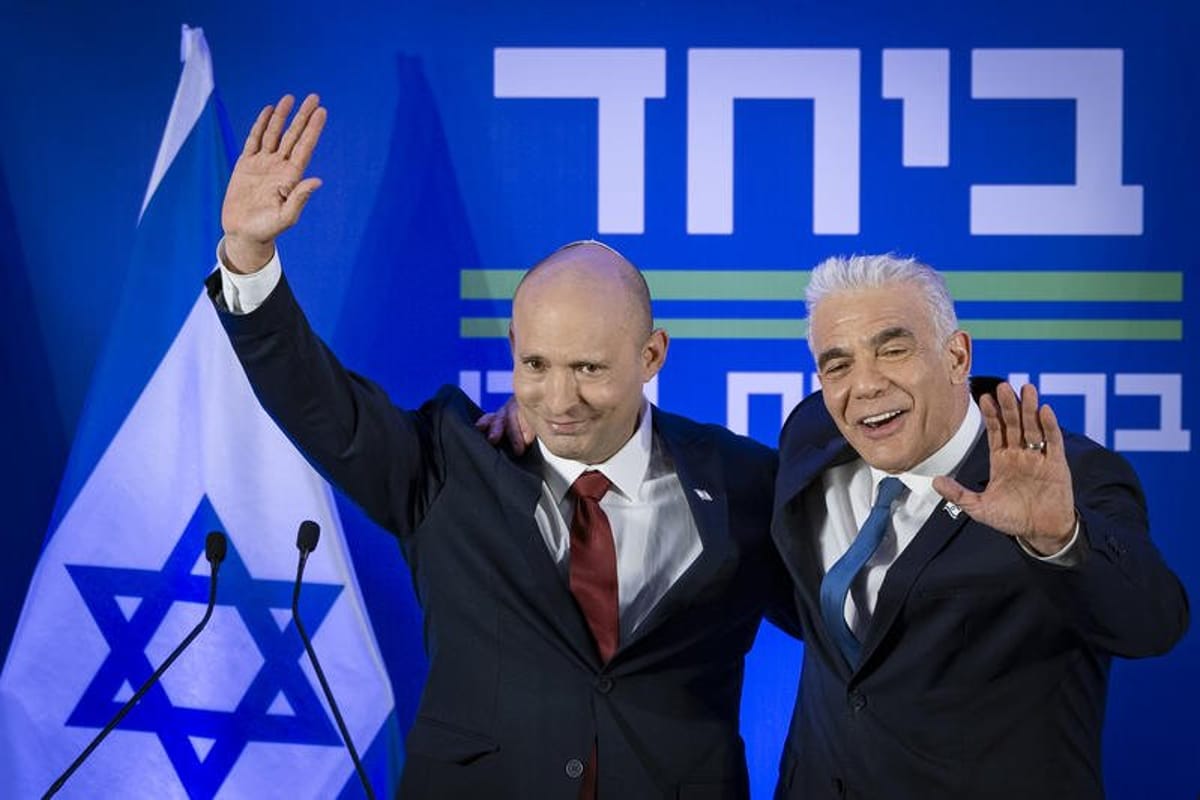
Yair Lapid and Naftali Bennett are flatly rejecting the demand. Both fear that when the moment of decision comes, Eisenkot may opt for a unity government with Benjamin Netanyahu instead, and that a speaker from Yashar would leave them with no leverage to stop him.
To guard against that scenario, they are insisting that Lapid himself be named speaker. The logic is simple: if the change bloc manages to form a coalition, Lapid will step down from the post. But if Eisenkot tries to move toward a unity deal with Likud, he will face a speaker from the opposition camp with the power to obstruct and complicate the effort.
Liberman’s demand and the Arab veto
Meanwhile, Yisrael Beiteinu chairman Avigdor Liberman met with Eisenkot over the weekend, their first meeting since the polls closed, and pressed for MK Oded Forer to get the job. The move is meant to cement Liberman’s standing as a leading force in the bloc, but it immediately hit a wall: the Arab parties have ruled out backing Forer because of Liberman’s hardline positions toward them.