
Get our mobile app
Download on the App StoreGet it on Google Play

Analysis

Bennett backs Eisenkot, eyes next round

Former PM publicly pledges total loyalty to 'Yashar' chairman, but behind the scenes is building strategy for the day after coalition failure, a replay of the move that brought down Netanyahu

Eisenkot and Bennett

As the change bloc prepares for the recommendation parade at the President's Residence and complex coalition contacts continue, the quiet political strategy being run by former Prime Minister Naftali Bennett is becoming clear.

Bennett's current goal is to show he is the most loyal to Gadi Eisenkot and is giving him all the backing required. Beneath the surface, all his statements and clarifications that he is doing everything for the establishment of a government stem from a simple understanding: there is currently no real chance of establishing a functioning coalition in the present parliamentary map.
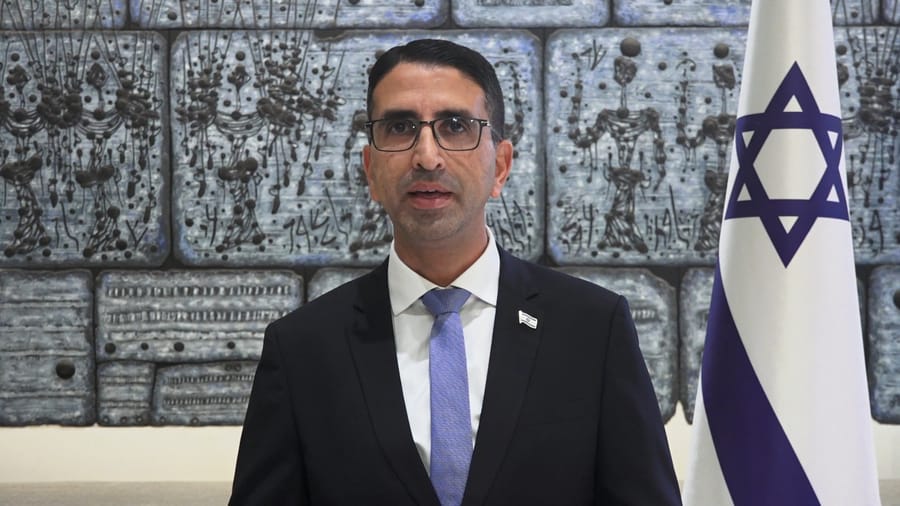

President's House invitation
President's House invitation (Photo: Dotan Goeta, Recorder: Gideon Arnold)

Expecting failure and forecasting the day after

According to assessments in the political system, the full backing Bennett is giving Eisenkot is designed to prepare the ground for the next stage of the political drama. Soon Eisenkot will fail in the task of forming the government, and will also be burned by the political flirtation and the hopeless contacts with the Arab factions and the haredi parties.

Then, after Eisenkot's attempt exhausts itself and ends in a dead end, Bennett will be able to turn to him directly and say: clear the way, Mr. Bloc Chairman.

Replicating the Change Government move

This tactic is very reminiscent of the exercise Bennett did to Benjamin Netanyahu when forming the previous Change Government: then Bennett promised Netanyahu again and again that he was full backing and would join him if he brought a government, while knowing clearly that Netanyahu was unable to achieve a majority. The moment the mandate passed and Netanyahu's attempt failed, Bennett turned to forming a government with Ra'am on the claim that there was no other choice after the first initiative failed.

Now, in other words: the leading message from Bennett toward the coming developments or a roll to another election round is sharp and clear: this time, Bennett.

These moves come against the background of the complex balance of power in the 26th Knesset, with the right-wing and haredi bloc standing at 53 mandates, the opposition bloc led by Eisenkot at 48 mandates, and the Arab factions at 19 mandates. Given the endless chain of mutual vetoes, Bennett's tactic is marked as an attempt to secure the leadership of the camp at the moment of decision.

Ready for more?

Join our newsletter to receive updates on new articles and exclusive content.

We respect your privacy and will never share your information.

Enjoyed this article?

Yes
No
Follow Us:

Unmissable content


Loading comments...

Also of Interest