Police Threaten Roadblocks and Mass Fines

Haredi Convoy Protest Targets Prison 10 Today

2,500 vehicles mobilize from 20 cities across Israel in coordinated slow-drive protest against yeshiva student arrests • Police consider blocking convoy from reaching Kfar Yona prison | The largest haredi traffic protest in years begins at 4 PM (Israel News)

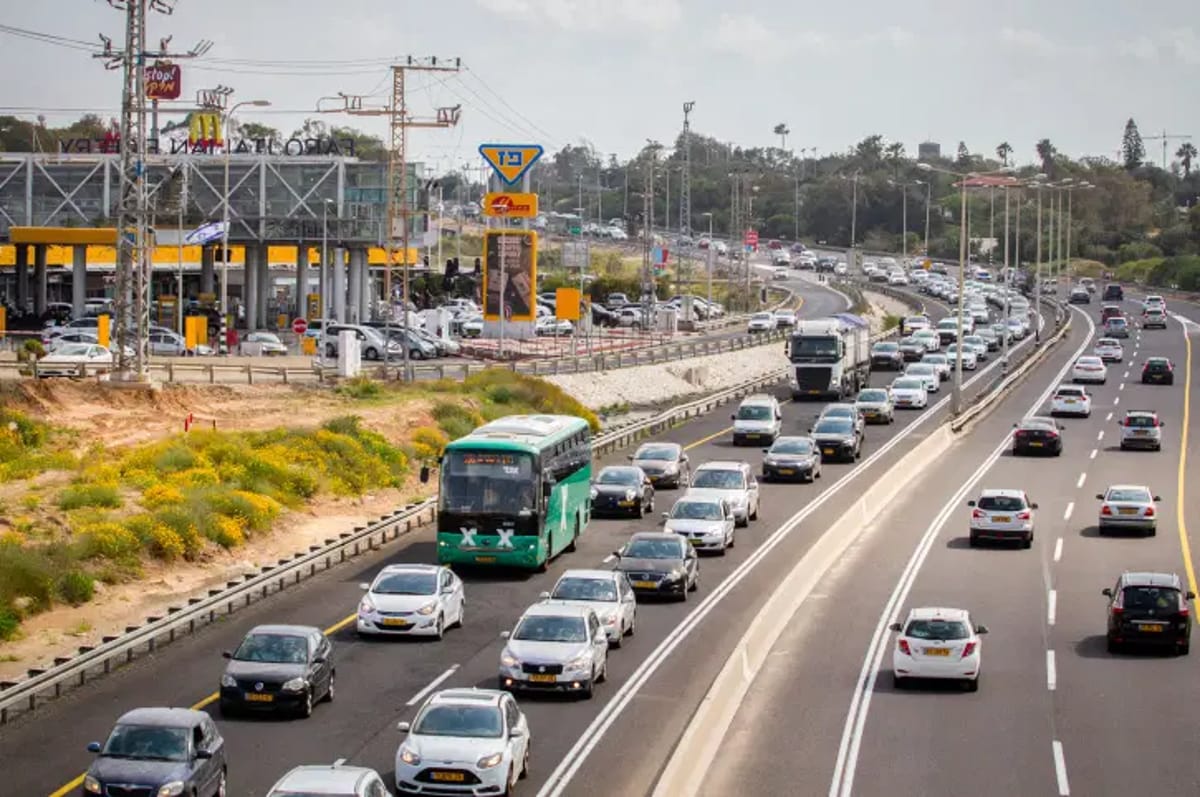
Traffic jam

Israel's haredi community is launching one of its largest and most coordinated traffic protests in years Wednesday afternoon, as an estimated 2,500 vehicles prepare to converge on Prison 10 in Kfar Yona in a dramatic show of force against the arrest of yeshiva students who refuse military conscription.

The organizing committee released detailed operational maps overnight showing 20 departure points spanning the entire country, from Tzfat in the north to Arad in the south, with convoy participants instructed to drive at precisely 50 kilometers per hour along designated routes beginning at 4:00 PM. The protest represents what organizers are calling "the opening salvo in a prolonged struggle" over the detention of Torah scholars.

Cities participating in the coordinated action include Elad, Ashdod, Beitar Illit, Beit Shemesh, Bnei Brak, Nof HaGalil, Netanya, Modi'in Illit, Emmanuel, Arad, Afula, Tzfat, Kiryat Gat, Rehovot, Jerusalem, Haifa, Tiberias, and Hatzor. Each location has appointed local coordinators responsible for liaising with the national protest headquarters and ensuring drivers follow strict operational guidelines.

Detailed Instructions: Slow Drive, No Confrontations

The organizing committee distributed comprehensive operational guidelines to participants, emphasizing that the protest has been coordinated with police authorities and must proceed without confrontations. Drivers are instructed to maintain uniform speeds of approximately 50 km/h throughout the route, keep double the normal following distance for safety, and avoid sudden stops along the highway.

Vehicles are expected to display signs and flags, with activists stationed at departure points to assist with installation of protest materials. All participants have been directed to connect to a dedicated updates hotline that will provide real-time instructions regarding routes and any necessary adjustments during the convoy.

The guidelines explicitly warn against initiating road blockages or engaging in provocations with police officers or other citizens. "The protest is coordinated with the police, and participants must avoid confrontations, provocations, or friction with officers and civilians," the organizing committee stated in its directive.

Police Consider Dramatic Countermeasure: Diversion to Remote Parking

Israeli police are finalizing their operational response to the convoy, with sources indicating authorities are seriously considering preventing the vehicles from reaching Prison 10 entirely. Under the scenario being discussed, police would redirect the convoys to a remote parking area outside Kfar Yona, effectively neutralizing the visual impact of thousands of vehicles surrounding the detention facility.

A senior police official confirmed to Kikar HaShabbat that all options remain under consideration. "As we've seen in past convoy protests — whether for judicial reform or hostage advocacy — police permit demonstrations but impose restrictions as operationally necessary. No final decision has been made regarding the haredi convoy, and all possibilities are on the table," the official stated.

Police are also reportedly prepared to issue traffic citations to drivers traveling significantly below the speed limit, adding a financial deterrent to the slow-drive tactic that forms the core of the protest strategy.

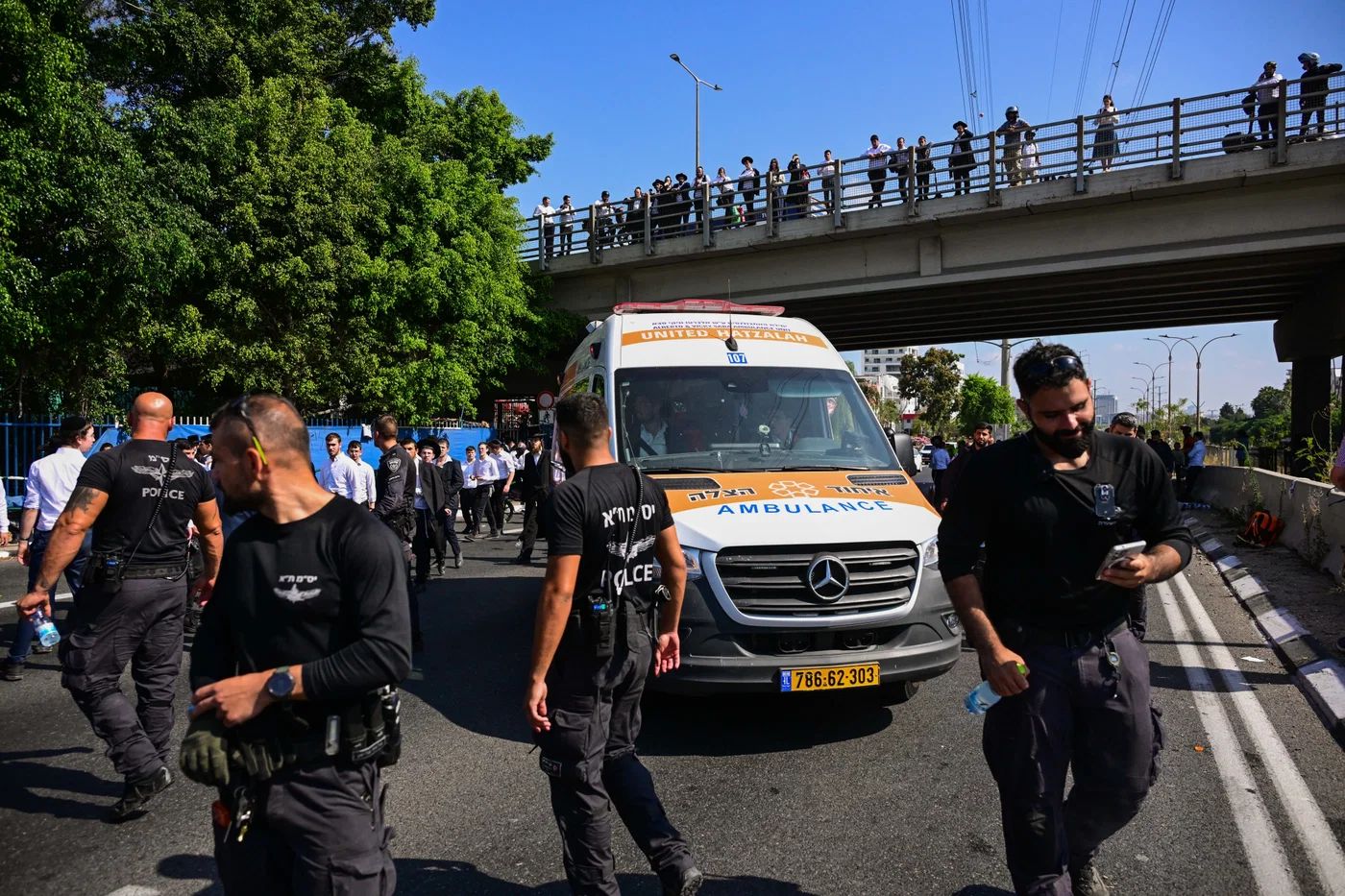
Anti-draft protest, June 17, 2026
Anti-draft protest, June 17, 2026 (Photo: Avshalom Sassoni / Flash90)

Mayor Vows 'Human Wall' to Block Convoy Entry

Kfar Yona Mayor Albert Tayeb announced Tuesday that he intends to personally lead a counter-demonstration to prevent the convoy from entering his city. Tayeb declared he would organize a "human wall" at the entrance to the Givat Alonim neighborhood, the route leading to Prison 10, to physically block the protesters from accessing residential areas.

"This isn't about haredim," Tayeb insisted in comments to local media. "We've seen this before with the Sde Teiman protests. In the name of democracy, you cannot shut down an entire city. We will not allow Kfar Yona to be closed." The mayor added that he plans to establish blockades at the Givat Alonim and Yafe Nof neighborhoods if the convoy attempts to enter.

Tayeb's threat marks the first organized local resistance to what has become a recurring pattern of large-scale demonstrations at Prison 10, where haredi activists have staged multiple protests in recent weeks following a wave of arrests targeting yeshiva students who refuse military service. The mayor's stance signals growing frustration among residents whose daily lives have been repeatedly disrupted by the protests.

Unprecedented Logistical Scale

Transportation officials warn that if the full estimated 2,500 vehicles participate simultaneously across dozens of routes nationwide, Israel can expect severe traffic congestion and significant delays on major highways throughout the afternoon and early evening hours. The protest's geographic scope, spanning from the northern Galilee to the northern Negev, represents an organizational achievement unprecedented in haredi community activism.

"The attached roadmap outlines the routes of a nationwide revolution, with each urban concentration becoming an independent power center that will connect to an unprecedented giant convoy, ready to sound a cry that will echo from one end of the country to the other," the organizing committee declared in its overnight statement.

The convoy is scheduled to operate between 4:00 PM and 8:00 PM, with participants instructed to follow real-time updates from protest coordinators regarding any route modifications or police directives. The action follows last week's violent confrontation on Route 4, where police deployed stun grenades against haredi demonstrators in what activists claim were systematic violations of use-of-force protocols.

As of Wednesday morning, neither police nor protest organizers had announced any last-minute changes to their respective plans, setting the stage for what could become one of the most significant tests yet of Israel's capacity to balance democratic protest rights with public order in the escalating conflict over haredi military service.


Ready for more?

Join our newsletter to receive updates on new articles and exclusive content.

We respect your privacy and will never share your information.

Enjoyed this article?

Yes (15)
No (1)
Follow Us:

Unmissable content


Loading comments...

Also of Interest