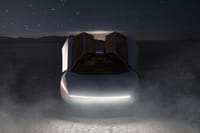
Toyota has halted development of the next-generation Lexus LF-ZC electric saloon, in another sign that major automakers are rethinking their EV plans amid weaker demand and market uncertainty.
The LF-ZC was first previewed at the 2023 Japan Mobility Show and had been expected to enter production later this year. It was designed as a ground-up electric Lexus that would compete with future electric saloons from BMW and Mercedes, including the new BMW i3 and Mercedes C-Class Electric.
The model was meant to showcase the next stage of Lexus design and manufacturing. It was expected to use advanced production techniques such as gigacasting, in which large sections of the vehicle structure are produced as single parts instead of being assembled from many smaller components.
The LF-ZC was also expected to mark a major step for Toyota and Lexus in solid-state battery technology. Solid-state batteries are seen as a possible breakthrough for EVs because they can offer faster charging, higher energy density and longer range compared with current liquid-based lithium-ion batteries.
Toyota said it would continue developing the technology for future models, but the decision to stop the LF-ZC reflects the pressure now facing the electric vehicle market.
Toyota has been hit by several headwinds at once. Demand in China has weakened, the US has reduced EV tax incentives under the Trump administration and the company’s market share in the Middle East has reportedly fallen sharply amid regional instability.
The LF-ZC also faced a broader problem: consumers are increasingly moving away from saloon cars and toward SUVs. That shift made a luxury electric saloon a harder bet at exactly the wrong moment.
Toyota is not alone. Honda has pulled back several EV projects, including its Sony-linked Afeela program and other planned electric models. Ford has scaled back its electric plans in the US, including canceling some major truck and van projects. General Motors has also reduced EV ambitions, citing weaker demand after the loss of subsidies.
Luxury brands are also retreating. Lamborghini is focusing more on hybrids, Bentley has pushed its all-electric target to 2035 and Ferrari has narrowed its EV focus even as it launches the new Luce.
For consumers, the picture is increasingly uncertain. Governments are still pushing toward zero-emission transportation, while automakers are slowing investment because buyers are not moving as quickly as regulators expected.
The result is a growing stalemate: massive investment in EV infrastructure on one side, weaker consumer demand and cautious manufacturers on the other. The electric future is still coming, but apparently not on the neat schedule the industry once promised.