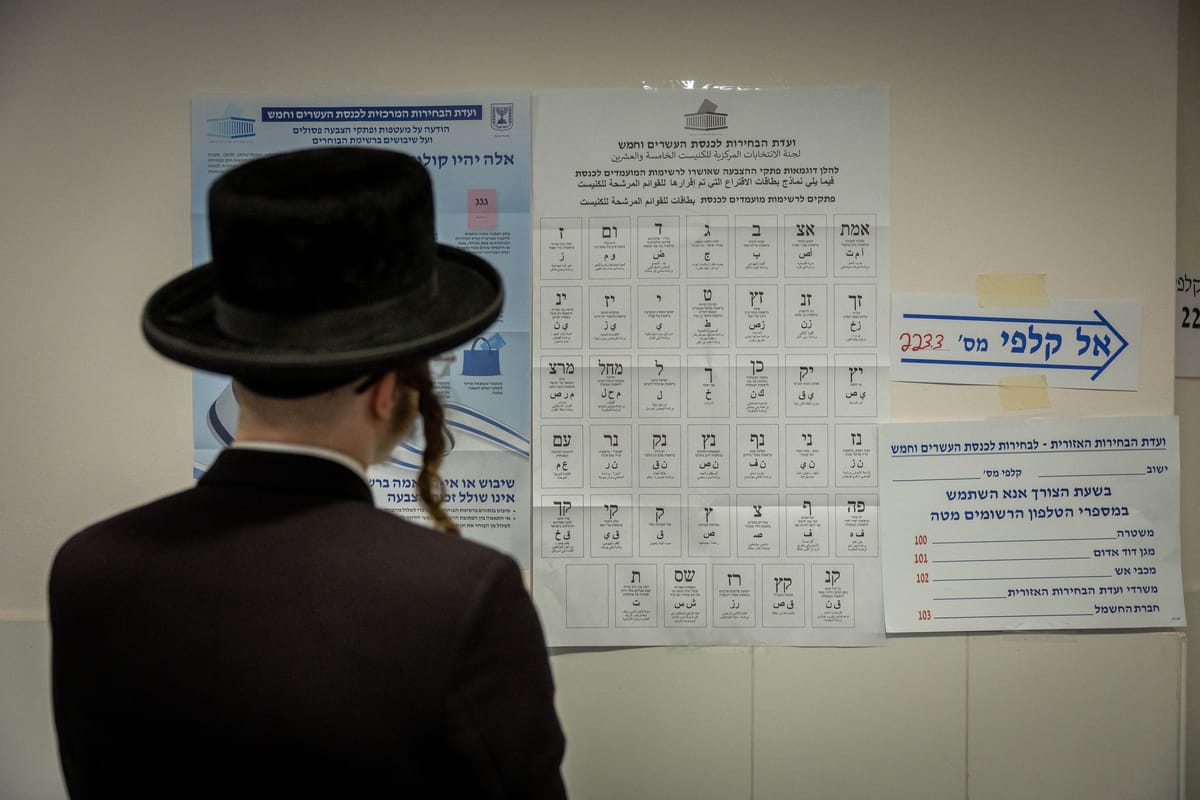
Until recently, such a sentence would have been unthinkable at a chareidi demonstration. In a video published by Kikar Hashabat, one protester declared: "We prefer to vote for the Arab parties rather than for the chareidim." He justified his words with a statement from Chazal that one who causes another to sin is worse than one who kills him. Another protester announced he would not vote at all, and a third chassid called for abstention as the most effective form of protest.
It is important to be precise: this is not the mainstream voice in the chareidi street. The demonstrations were held against the backdrop of arrests of yeshiva students, and many in the chareidi public attribute these statements to the extreme fringe. But according to Kikar Hashabat, the ferment is reaching more internal circles as well. In Gur chassidus, the "central faction" that until now was the electoral engine of Agudas Yisrael is silent this time. The activists' gathering of Belz was not covered in the Hamodia newspaper, and a Belz representative, Elikim Shtark, made clear in his speech that the chassidus would no longer be satisfied with a role of merely receiving.
"A bloc of our own": What United Torah Judaism is saying
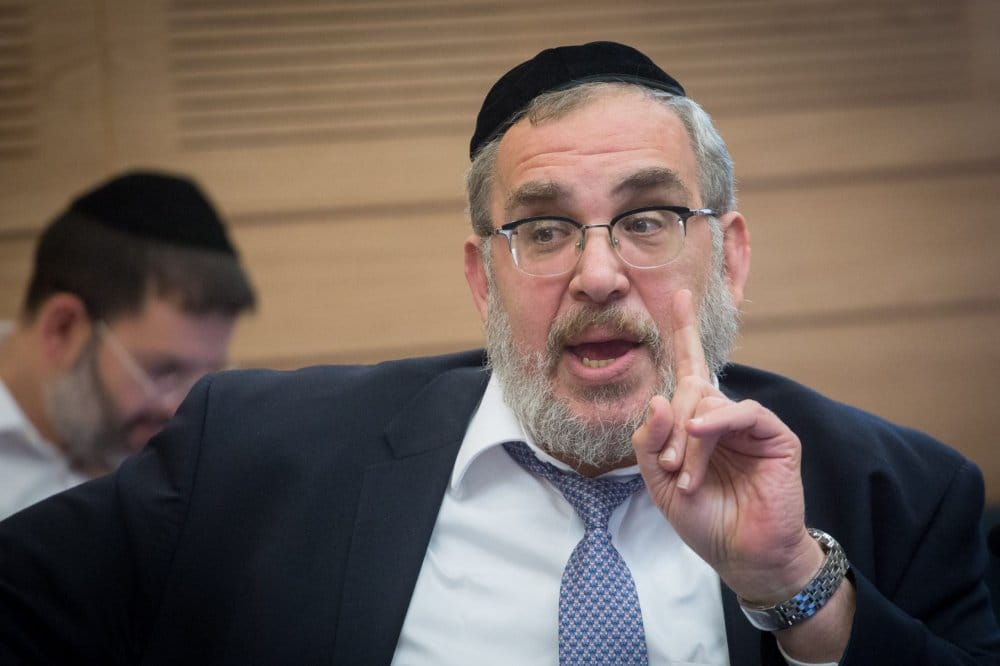
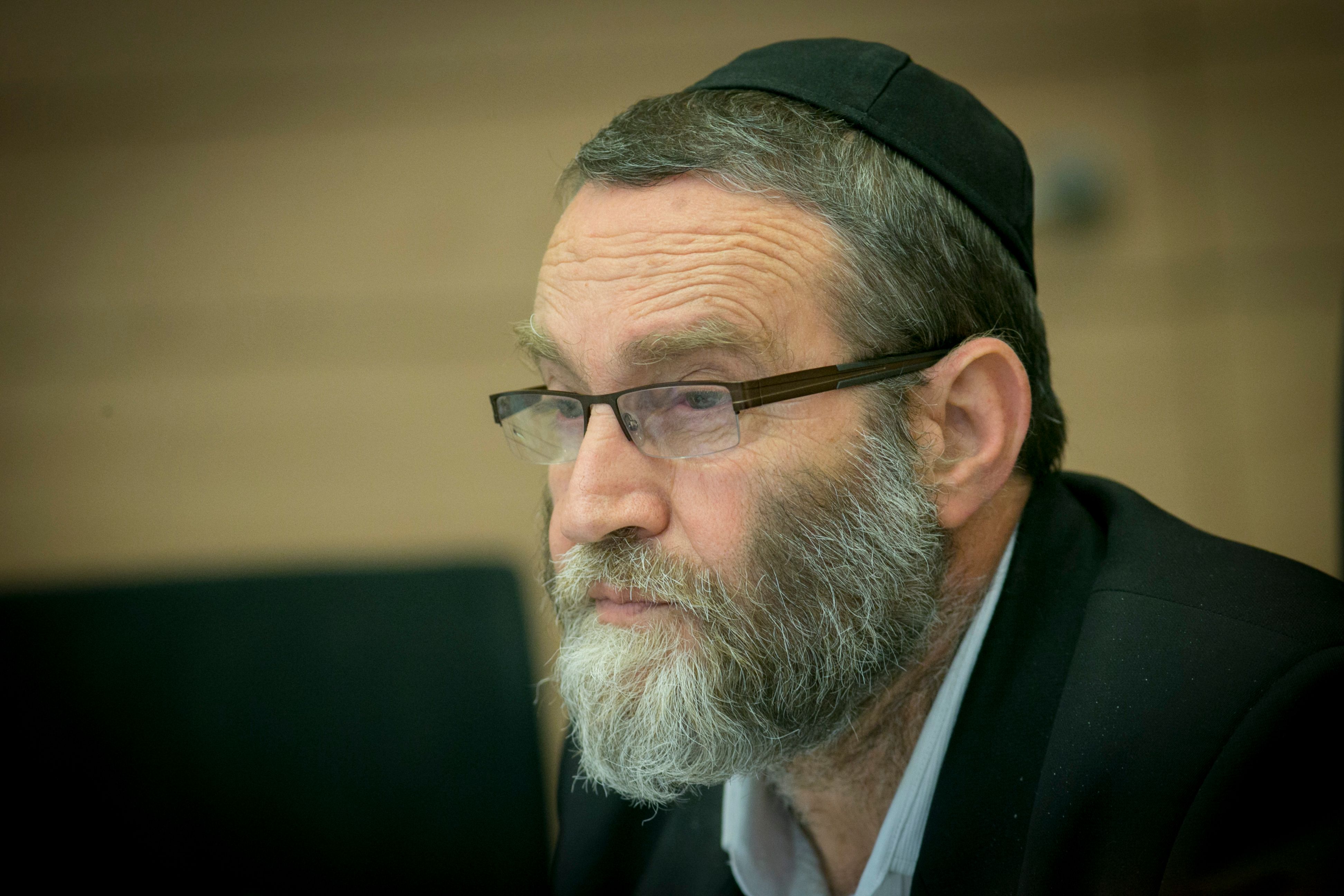
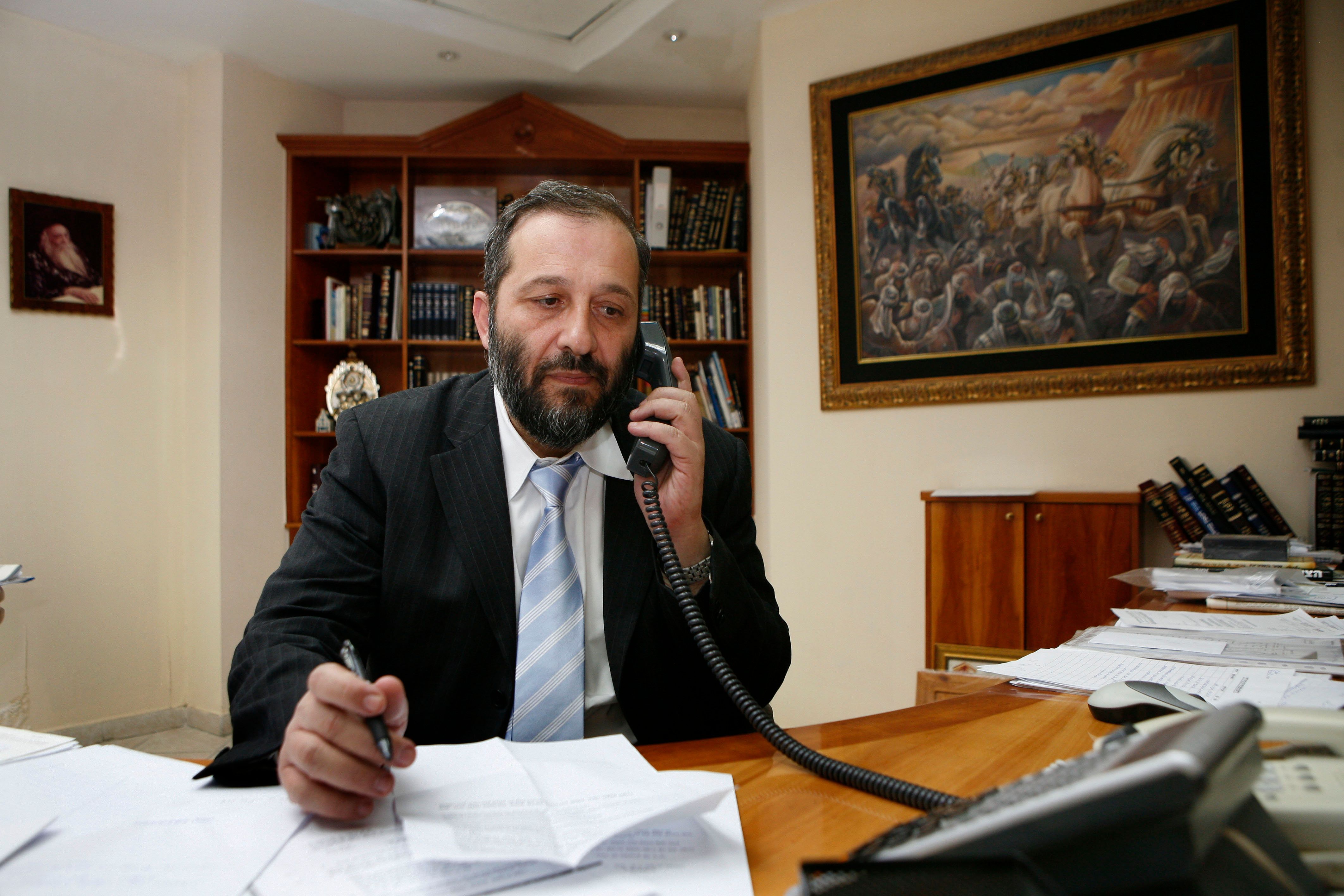
The shift has not remained in the street. United Torah Judaism chairman MK Yaakov Asher entered the position after Rav Dov Lando removed Moshe Gafni and Uri Maklev from the list last month. This ends, after decades, the parliamentary career of Gafni, who will not be a member of the next Knesset. Asher said in an interview with the Knesset Channel: "We are a bloc of our own, whoever wants us will have to join us." Earlier he clarified that according to the directive of gedolei Yisrael, United Torah Judaism "will not support and will not enter any government without arranging the status of Torah learners."