
Many Jews in Eastern Europe maintained close daily contact with rivers and waterways. Under the "arenda" system, a leasing arrangement common in pre-modern Eastern Europe, Jewish families often managed fish ponds and leased river fishing rights from local nobility. These roles required intimate knowledge of fish life cycles: when they were active, when they spawned, and when fishing would be most productive.
What makes this particularly intriguing is that freshwater fish in these regions display distinctly unusual behavior during the autumn months, precisely when the Jewish month of Elul falls. Female fish dig nests with powerful tail movements that create visible whirlpools on the water's surface. Males fight aggressively over territory. Entire schools migrate into shallow waters in patterns clearly visible from the riverbank. Anyone passing by during this season could hardly miss the phenomenon.
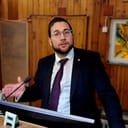
Rabbi Mordechai Yakovobitz has proposed a compelling theory: Jewish townspeople witnessed this annual gathering of fish near the riverbanks during the Rosh Hashanah period, year after year. This observable reality may have given rise to the widespread notion that "even the fish tremble."
The first person to articulate this idea may have been drawing a connection between nature and spirituality, or perhaps speaking with a touch of irony. Over time, the saying became a standard expression repeated each Elul to convey to the Jewish people the gravity of Rosh Hashanah, the Day of Judgment.
This approach has deep roots. The sages regularly looked to nature for moral instruction. King Solomon, described as the wisest of all men, wrote: "Go to the ant, you loafer; consider its ways and be wise" (Proverbs 6:6). Similarly, Yehuda ben Teima's teaching in Pirkei Avot instructs: "Be bold as a leopard, light as an eagle, swift as a deer, and strong as a lion to do the will of your Father in Heaven."
Whether the Jews of these small towns actually observed the behavior of the fish or not, they created a brilliant metaphor that translates a theological concept into poetic language everyone could understand.
Credit to my friend Rabbi Mordechai Yakovobitz for sharing this insight.