Get our mobile app
Download on the App StoreGet it on Google Play

September 11, 2001

Lost 658 Employees, Then Rebuilt the Firm

Howard Lutnick was tying his son's shoelaces at kindergarten when 658 of his people were killed on the 105th floor of the World Trade Center | Without a moment to fall apart, bleeding inside, he turned his firm into one of the most moving growth stories in business history

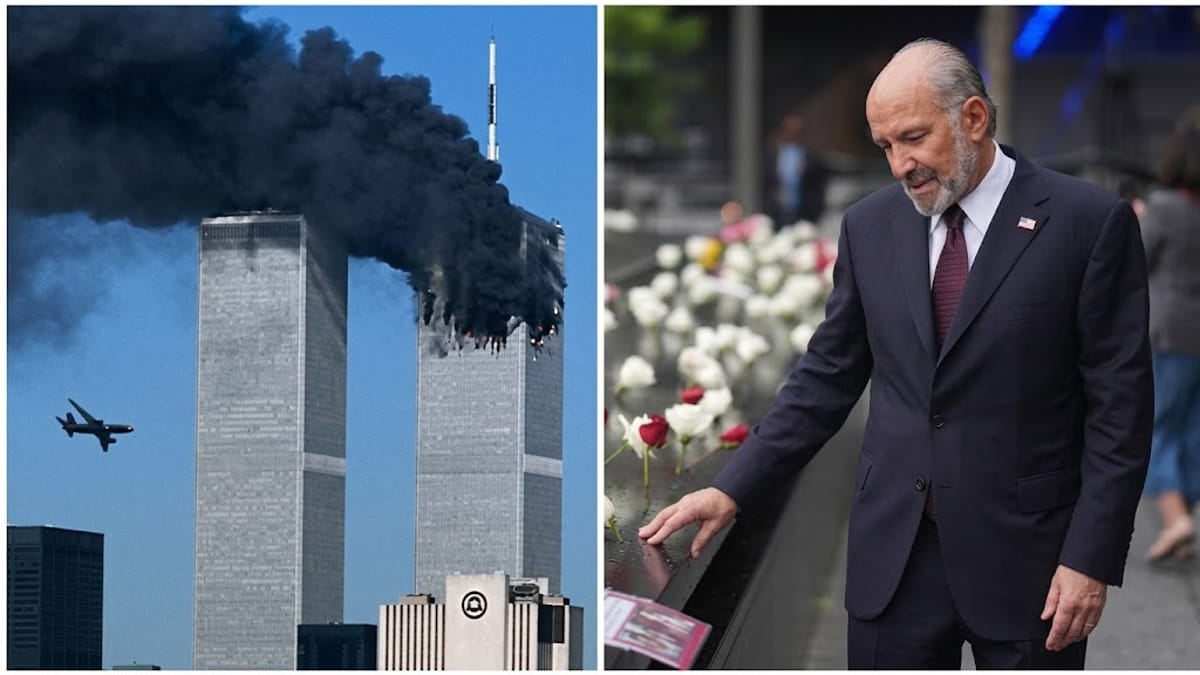
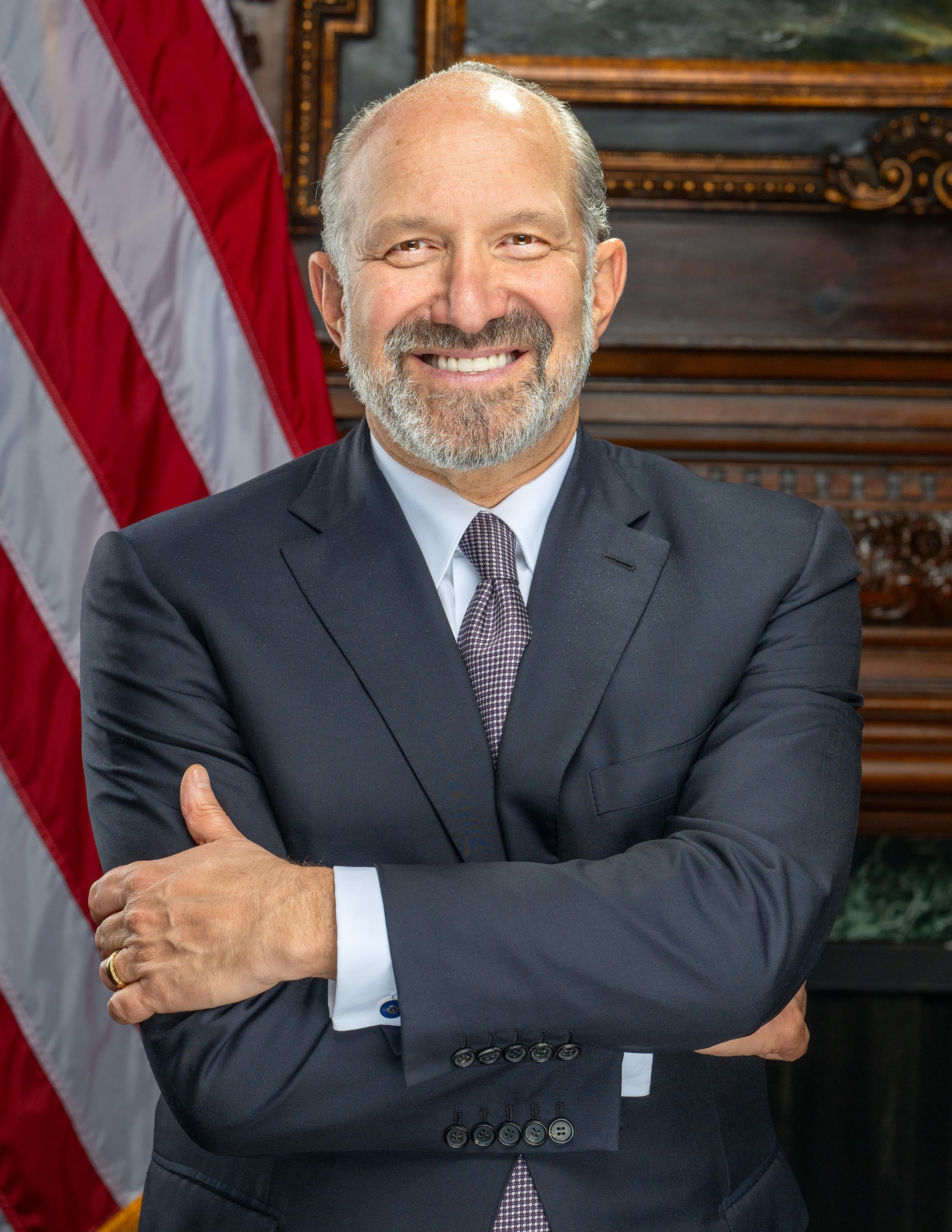
Howard Lutnick, CEO of Cantor Fitzgerald | Photo: Official page

On the morning of Tuesday, September 11, 2001, Howard Lutnick was supposed to be at the office.

As CEO and chairman of Cantor Fitzgerald, one of the largest bond-trading firms on Wall Street, his office was located on the 105th floor of the North Tower of the World Trade Center. The company occupied floors 101 through 105, at the very top of the building. But that morning, Lutnick did not rush to the office.

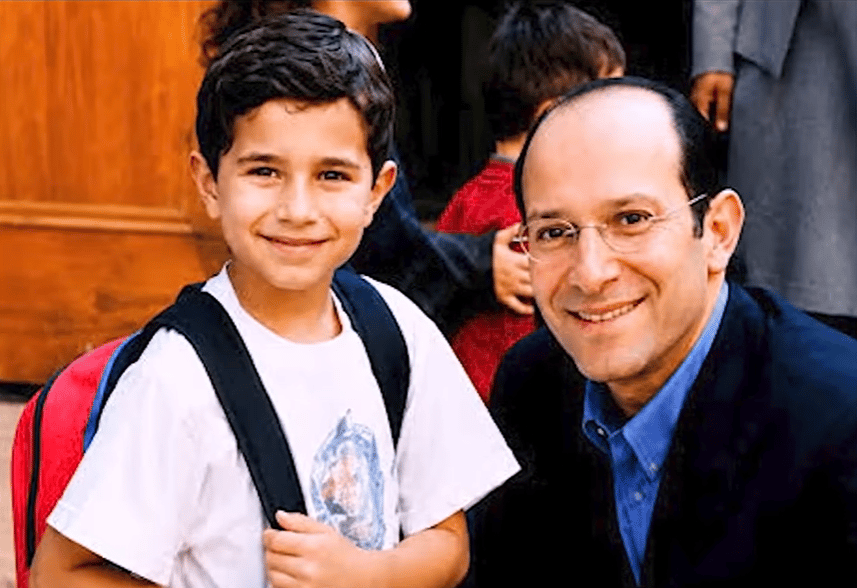
His five-year-old son was starting his first day of mandatory kindergarten, and Lutnick decided to take him there himself.

Years later, he said that was the only reason he was not in the tower that morning. In an interview he gave days after the attack, he said: "My five-year-old son was on his first day of kindergarten. It was a simple decision, almost marginal, that stood between life and death."

The morning of September 11, 2001 — Howard Lutnick and his son Michael
The morning of September 11, 2001 — Howard Lutnick and his son Michael (Photo: Official page)

At those same hours, in the North Tower, the workday had already begun.

Cantor Fitzgerald was then one of the central firms in the U.S. bond market. The company, founded by Bernard Cantor, dealt in brokering and trading bonds and other financial products. Its New York headquarters was located on the top five floors of the North Tower, above the floor where the plane struck.

The company employed about 960 people in New York at the time. Many of them were young, and work at the office began early. Among the employees was Gary Lutnick, Howard's brother. Gary worked at Cantor Fitzgerald and was a partner in the firm. That morning he was on the 104th floor.

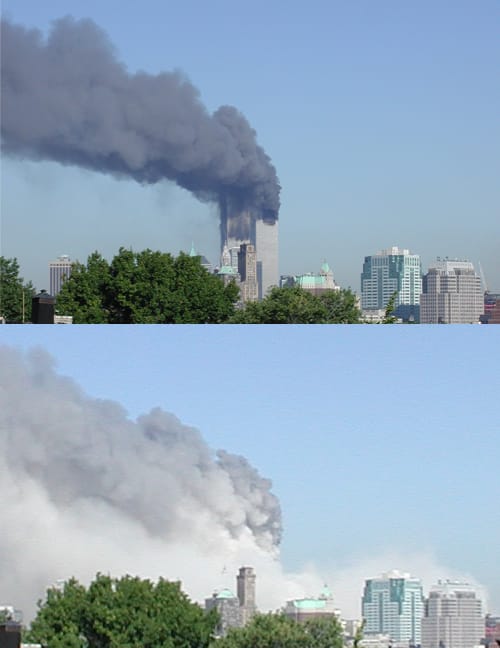
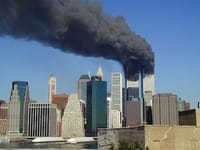
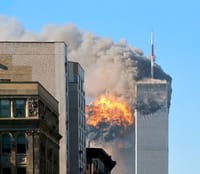
At approximately 8:46, an American Airlines plane, Flight 11, struck the North Tower. The plane hit the area of floors 93 through 99. The floors above the impact zone, where Cantor Fitzgerald employees sat, were effectively cut off from any possibility of exit.

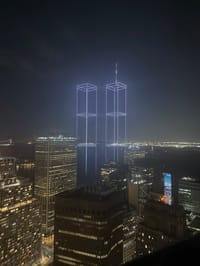
The Twin Towers — before and after

Howard Lutnick, who was still on his way back after dropping his son off at kindergarten, received the news.

He said that at first he did not understand the scale of the event. When they told him a plane had hit the building, he thought it might be a small plane. But when he drove toward Manhattan, he already saw smoke rising from the World Trade Center area. "I had to get there," he said.

Lutnick arrived at the area of the towers and tried to understand what was happening. He saw people coming out of the building and began stopping them. "What floor were you on?" he asked. He was searching for Cantor Fitzgerald employees.

At first, the people who came out were from the lower floors. Lutnick said he managed to speak with a person who told him he had come from the 91st floor. He still hoped. If someone had come from the 91st floor, perhaps people from the floors above him had also managed to get out.

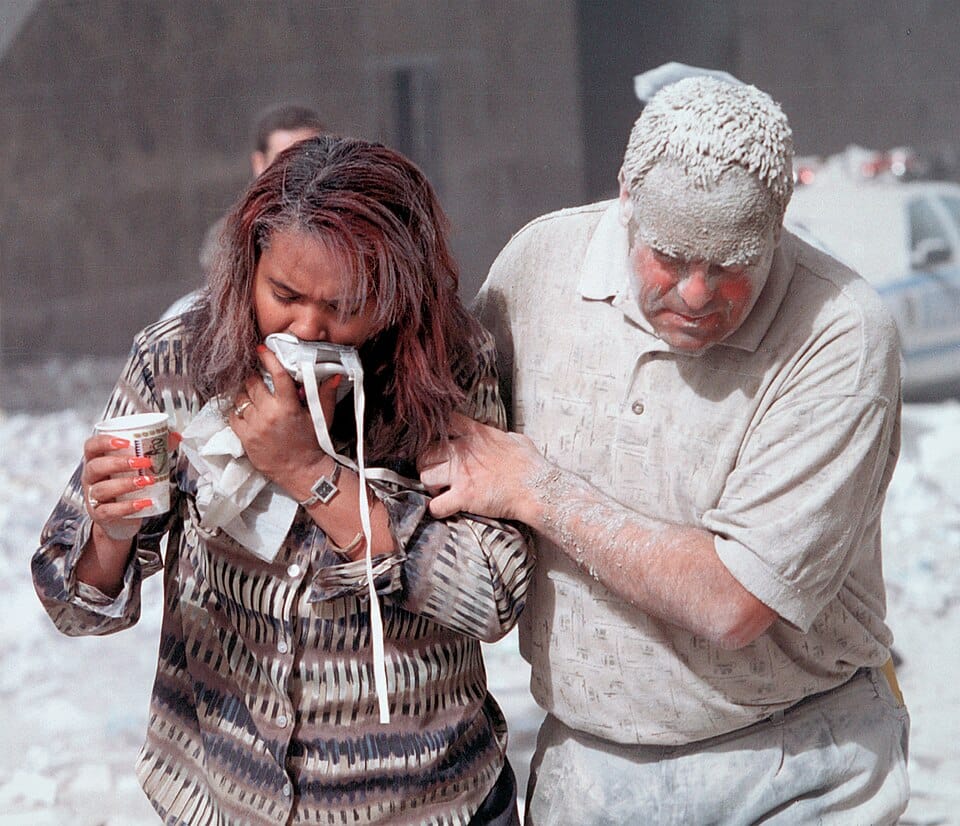
But then a tremendous sound was heard. The South Tower, the second tower of the World Trade Center, collapsed. Lutnick said the sound seemed to him like a plane engine overhead. A cloud of smoke and dust spread through the area, and he was forced to run to escape it.

People fleeing the World Trade Center area

Gary still managed to call his sister, Edie Lutnick. In the call, he said he was in the building, on the 103rd floor, that smoke was coming in and that his condition was difficult. He said goodbye to her and asked her to tell Howard that he loved him. As the hours passed, the possibility that the employees would manage to escape vanished.

Cantor Fitzgerald suffered one of the heaviest losses of any company operating in the World Trade Center that morning. All 658 of the company's employees who were in the office that morning were killed. Among the dead was Gary Lutnick, the CEO's brother.

Lutnick had always been an ambitious young man. He was born on July 14, 1961, in Long Island, New York. His father, Solomon, was a history professor and his mother Jane was a painter and sculptor. He grew up in Jericho, New York, alongside his brother Gary and sister Edie.

At a young age, he already faced loss. His mother died when he was in high school. In 1979, when he began his studies at Haverford College, his father also died of cancer. Lutnick was left effectively an orphan at a very young age. The college administration gave him a full scholarship that allowed him to complete his studies. In 1983, he completed a degree in economics.

Howard and Gary Lutnick

That same year, Lutnick arrived at Cantor Fitzgerald. The company was already a veteran institution on Wall Street. It was founded in 1945 by Bernard Cantor and John Fitzgerald as a bond brokerage firm.

Over the years, it became one of the central players in the U.S. government bond market. In 1972, Cantor was the first company in the world to operate a screen-based trading floor for trading U.S. government bonds.

Lutnick started as an analyst in the fixed-income field but advanced quickly. In 1991, he was appointed president and CEO of the company, and in 1996 he was also appointed chairman. During his tenure, Cantor continued to invest in electronic trading, and that same year it launched the eSpeed electronic trading system, which later became a public company.

In 2001, Cantor was considered one of the important companies in this market. According to a Forbes report from October of that year, before the terror attack, the company held a quarter of the daily inter-dealer trading in U.S. government bonds, a market whose volume then stood at about $250 billion per day.

On September 11, Cantor Fitzgerald was nearly wiped out.

And Lutnick himself had to deal with an incomprehensible reality: hundreds of the people he employed, managed and knew were simply gone. Eight days later, still in mourning, he sat before cameras. "I had to get there," he said.

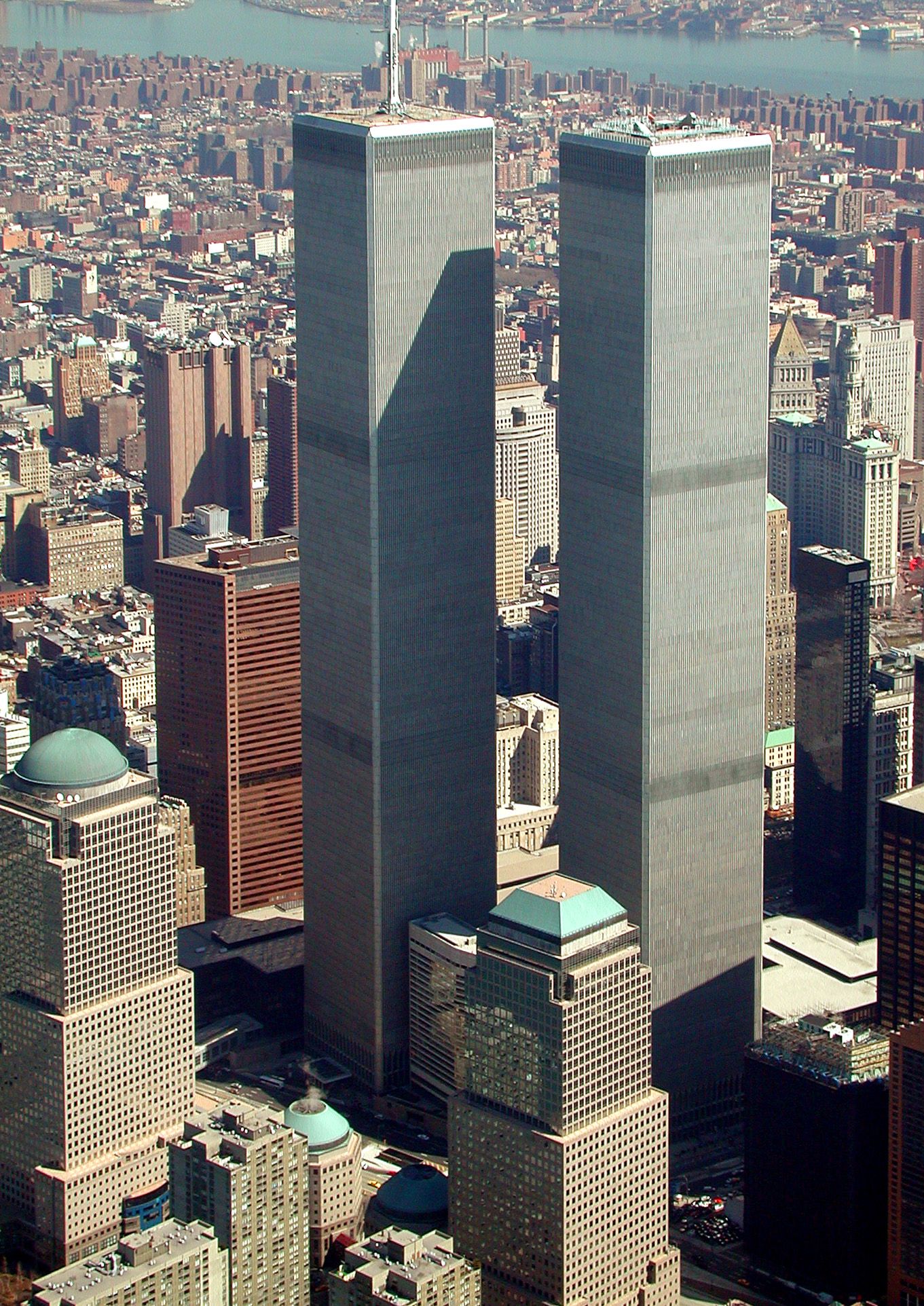
The North Tower — the building with the antenna on the left, where Cantor Fitzgerald's offices were located
The North Tower — the building with the antenna on the left, where Cantor Fitzgerald's offices were located (Photo: By Jeffmock - Own work, Public Domain, https://commons.wikimedia.org/w/index.php?curid=2188597)

Of all the questions of September 11, 2001, Howard Lutnick knew one answer: Cantor Fitzgerald would not survive.

The company had lost 70 percent of its New York employees. The offices were destroyed, computer systems were damaged, most of the people who ran the business were gone, and there were almost no revenues. The company was losing about a million dollars a day, while expenses continued to accumulate.

That night, a conference call was held with the remaining employees. Lutnick presented them with two options: close the company and go to their friends' funerals, or go back to work harder than ever so the company could generate money and take care of the families of those who were killed. The employees chose to continue.

Cisco sent Cantor 12 giant trucks loaded with routers, cables and computer equipment for offices in New Jersey. Microsoft sent about 50 employees to help Cantor break into the password-protected accounts of the employees who were killed, so the company could regain access to the information needed to continue operations. Lutnick described the company in those days as being reconnected "with wires and glue."

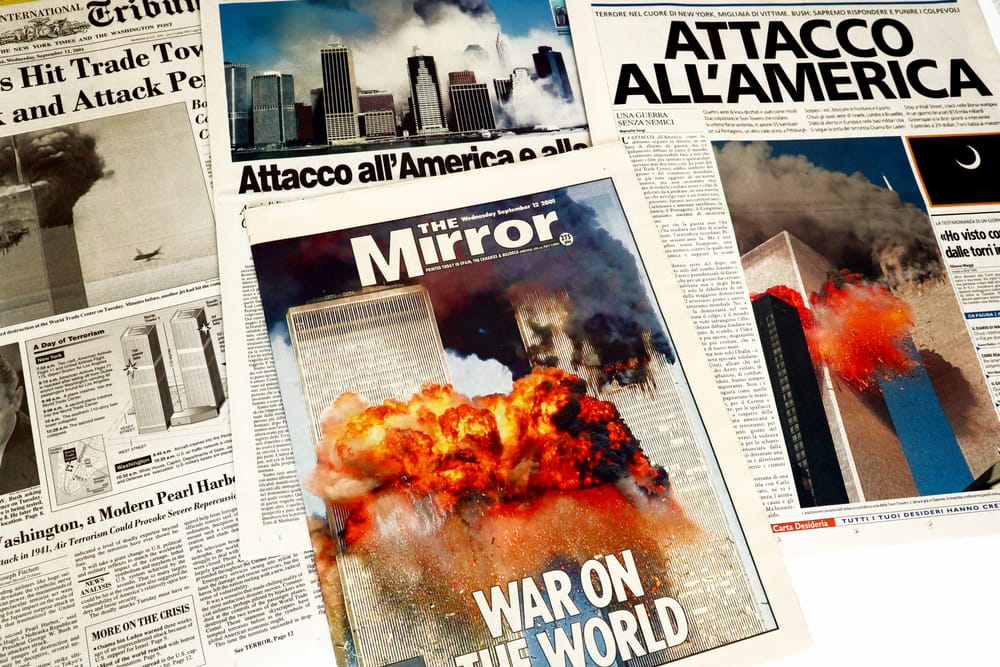
The morning after — newspapers around the world
The morning after — newspapers around the world (Photo: Shutterstock)

In the first days, a decision was made that also drew criticism: Cantor could not continue to pay salaries to employees who were killed, because almost everyone who generated the company's revenues had been killed. Lutnick explained later that the company simply could not pay salaries without revenues.

Instead, he committed to something else.

Cantor would transfer to the families 25 percent of the company's profits for five years, and in addition would fund health insurance for the families for ten years. This commitment became a plan of action.

Lutnick said the company paid an initial amount of $45 million in October 2001, and then continued to transfer 25 percent of its profits to the families. In the end, the total amount transferred to the families reached about $180 million.

Lutnick did not settle for money. He began attending funerals. A great many funerals.

He said there were days when he tried to attend dozens of funerals in succession. He became familiar with the mourning rituals of Jewish, Catholic, Presbyterian and Episcopalian families, and tried to be present as much as possible. Give me a funeral of any religion and denomination and I will conduct it perfectly, he once said in a moment of dark humor.

Later, the company moved to new offices in Manhattan. Lutnick did not want to return to an office on the high floors. The company moved downtown, to offices in Midtown, and Lutnick chose to work on a lower floor.

In the new office, a statue that was found among the ruins of the World Trade Center, with its fingers broken, is also preserved. Lutnick said he keeps the statue in the office to remind him that life is fragile and that the fact that the company and its people are there every day is a gift.

But one of the most surprising chapters in Cantor's recovery came years later.

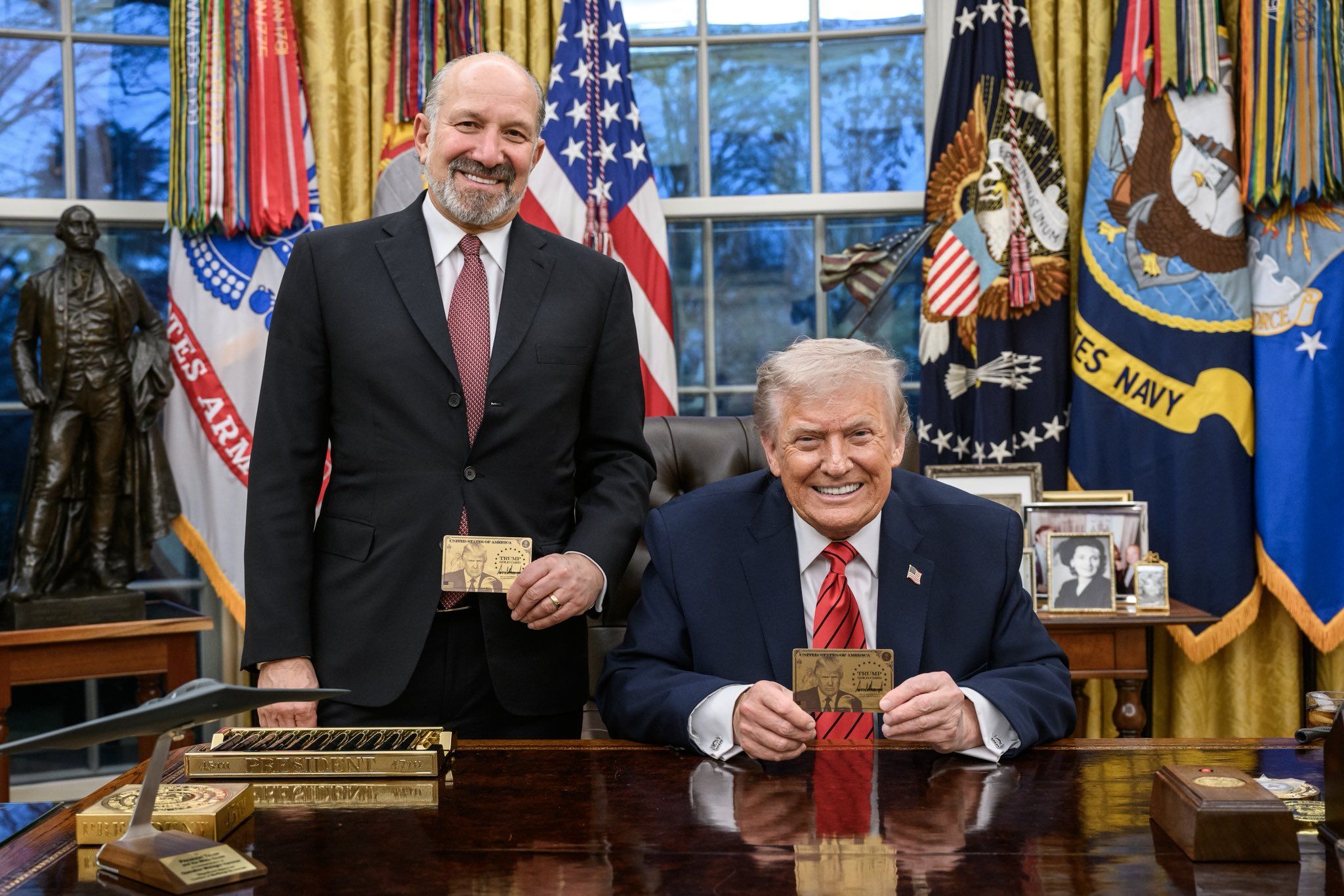
Lutnick and the President of the United States
Lutnick and the President of the United States (Photo: Official page)

Lutnick decided that every child of an employee who was killed on September 11, who wanted to work at Cantor Fitzgerald, would receive an opportunity. Not a promise but a commitment to find a place for them in the company and help them start their career.

This decision was not simple. Lutnick himself said that for a child of one of the victims to come work at the company, first the mother or family had to agree to it. For a 22-year-old child, the question was even more complex: why would they want to work in the place where their father or mother was killed? But over the years, some of them did come.

Howard Lutnick — United States Secretary of Commerce

In an interview with CNN in 2016, Lutnick said that at that time, 60 children of employees who were killed on September 11 were already working at Cantor. According to him, another 25 of them had already left later for other jobs, after starting their careers at Cantor. Cantor Fitzgerald did not just survive, it grew again.

This year, on the 25th anniversary of the Twin Towers disaster, Lutnick said: "Children are the strongest growth engine the world has to offer." Suddenly he pulled out the photo of himself and Michael from that morning, with his backpack. And he said: "This is the last minute of my old life."

Ready for more?

Join our newsletter to receive updates on new articles and exclusive content.

We respect your privacy and will never share your information.

Enjoyed this article?

Yes
No
Follow Us:

Unmissable content


Loading comments...

Also of Interest