Historical Reckoning

Germans Search Nazi Archives for Ancestors

U.S. National Archives has released nine million Nazi Party documents online, prompting German media to create searchable databases that allow citizens to discover their relatives' wartime affiliations

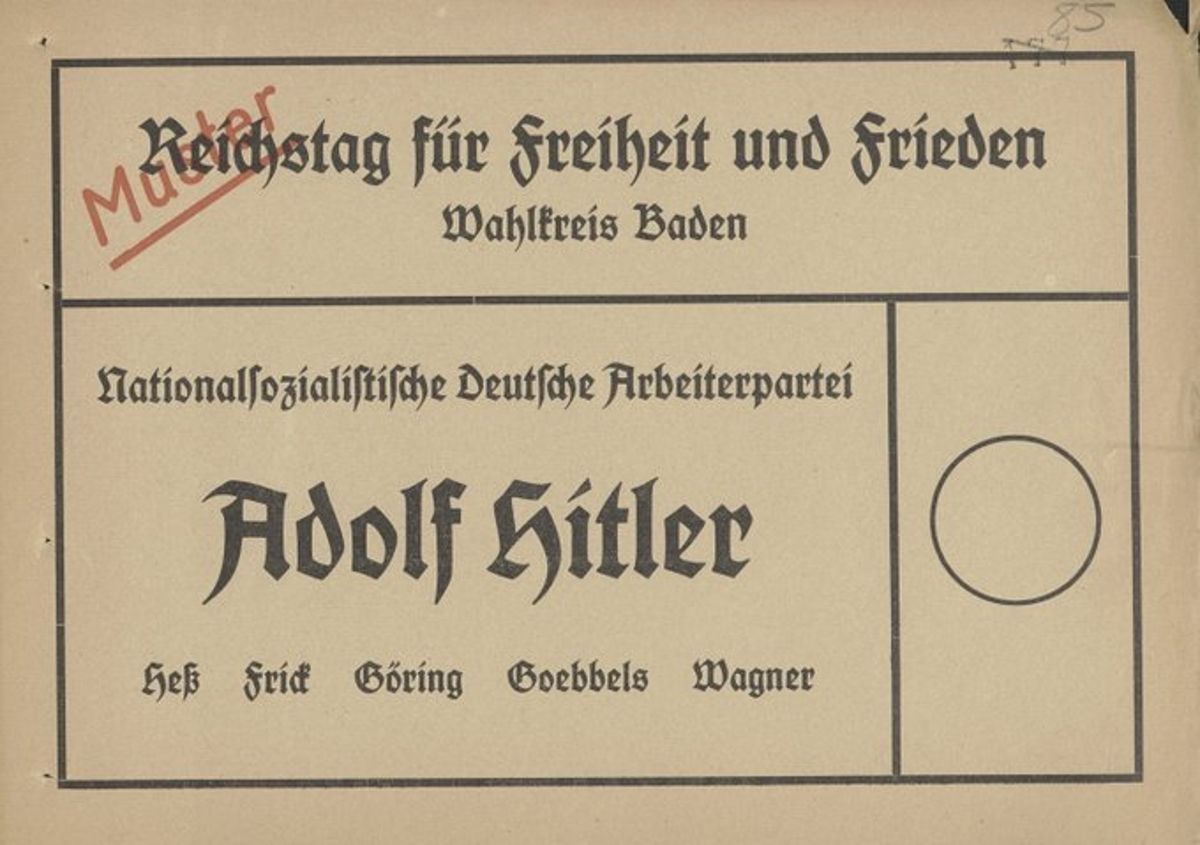
A voting slip for a Nazi faction from 90 years ago

A wave of historical reckoning is sweeping through Germany as millions of citizens confront an uncomfortable question that has become a topic of intense discussion in households across the country: "Was my grandfather a Nazi?" The question has gained urgency following an unprecedented release by the United States National Archives of more than nine million historical documents from the Nazi Party era.

The records, preserved for decades in American archives, have suddenly exposed the darkest chapters of German family history. Although the original American system was cumbersome, did not allow searches by name, and crashed under heavy traffic, German media outlets quickly stepped in to fill the gap.


Netanyahu with German FM
Netanyahu with German FM (Photo: German Ministry of Foreign Affairs)

Within just two weeks of the American release, German news organizations, led by the prominent newspaper Der Spiegel, launched independent, user-friendly databases that enable instant searches by full name. Users need only type in a relative's name, and within seconds, the official Nazi Party membership card appears in both German and English.

The data reveals a disturbing scope: between 1925 and the regime's collapse in 1945, the Nazi Party counted more than 10 million members. Approximately 90% of the original documents survived despite attempts by senior Nazi officials to destroy them as the war drew to a close. Hundreds of thousands of citizens have already used these databases, generating millions of searches.

Unlike mandatory military service, joining the Nazi Party was entirely voluntary. After Hitler's appointment as chancellor in 1933, millions of Germans rushed to join, forcing the party to temporarily freeze membership in order to screen for only the most loyal supporters.

The freeze was lifted in 1937, coinciding with intensified persecution and the Nuremberg Laws, leading to another wave of recruitment. A second freeze took effect in 1942, this time focusing on recruiting young people who had been indoctrinated through the Nazi education system.

Building of German parliament
Building of German parliament (Photo: Shutterstock )

The enormous popularity of the digital archives reflects many citizens' willingness to confront the truth, but it comes at a politically sensitive moment. The development unfolds against the backdrop of a surge in support for the far-right Alternative for Germany (AfD) party, some of whose members have previously attempted to characterize the 12 years of Nazi rule as merely a "footnote" in the nation's otherwise glorious history.

These records shatter the widespread illusion among many Germans who still believe their families remained untainted by involvement in the regime's crimes. The public exposure presents German society with a moral and historical test that cannot be ignored.

Meanwhile, a heated public debate is currently underway in Berlin regarding the future of a historic Nazi bunker, with Chief Rabbi Pinchas Goldschmidt proposing that the site be transferred to the Jewish community. This controversy also reflects Germany's ongoing struggle with its dark past.

Ready for more?

Join our newsletter to receive updates on new articles and exclusive content.

We respect your privacy and will never share your information.

Enjoyed this article?

Yes (7)
No (0)
Follow Us:

Unmissable content


Loading comments...

Also of Interest