Judaism Through Love

Healing Through Love: How Camp Yeka Have Been Saving Children's Lives in Ukraine

Discover how Camp Yeka has provided a safe haven for Ukrainian Jewish children since 1998, expanding from a summer program to a vital support system during wartime.

Judaism heals with love
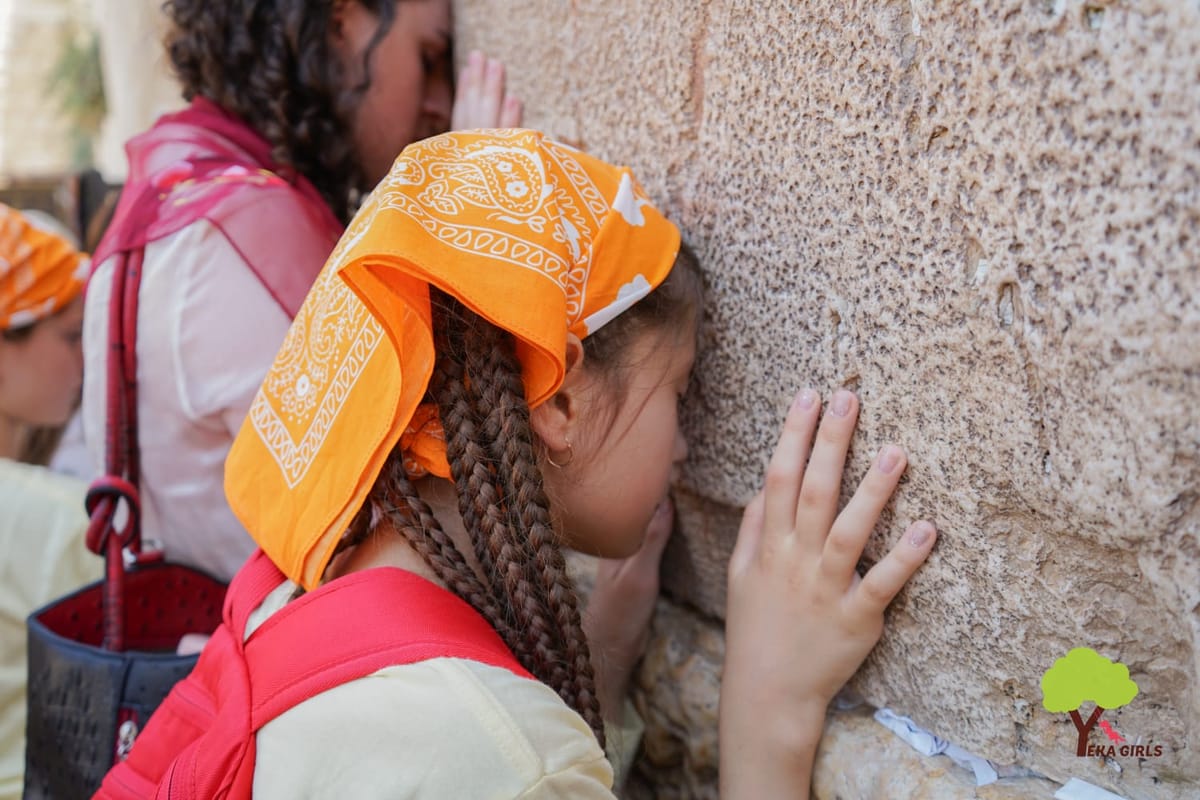
Judaism heals with love (Photo: Yeka Girls archive)

EXCLUSIVE: JFeed interviews Camp Yeka and reveals life changing stories

For more than two decades, Camp Yeka has been a safe haven for Jewish children from Ukraine’s most fragile backgrounds. It all began in 1998 as a modest summer program for boys in Dnipro, originally known as “Yekatrinoslav,” a name who inspired Camp Yeka identity. The city was chosen due to being the birthplace of the Lubavitcher Rebbe, the Chabad leader, Jewish line in which Yeka is based. Since its beginning, the camp has grown into a dual network of camps for both boys and girls, spanning Ukraine, Israel, and even Europe during times of war.

But Yeka is more than a camp. It has become a family for hundreds of children who often have none.
Loading...
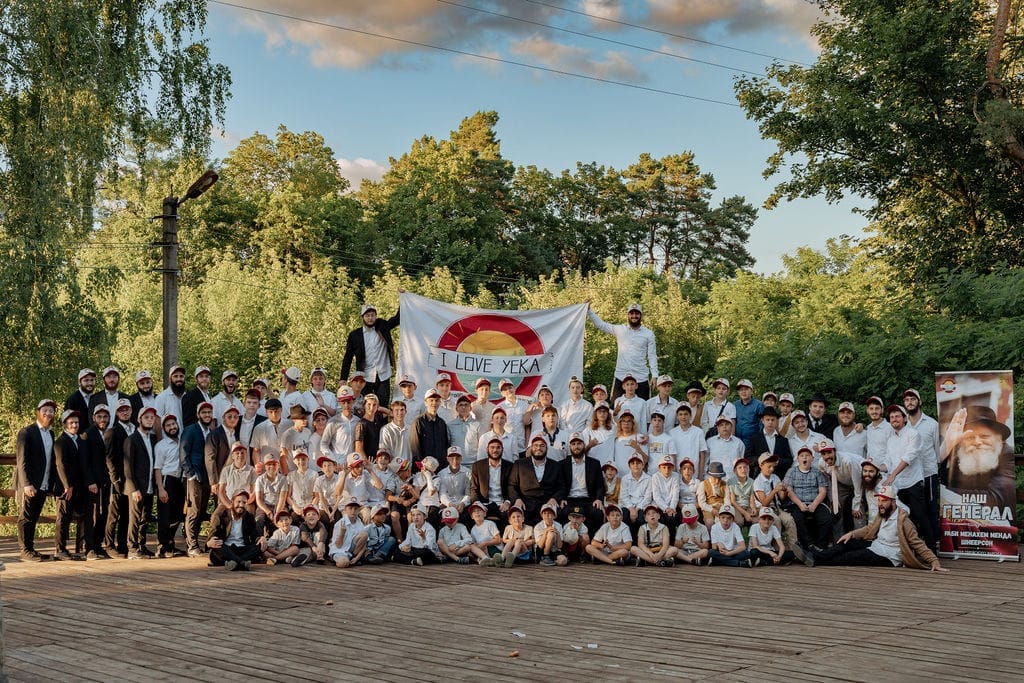
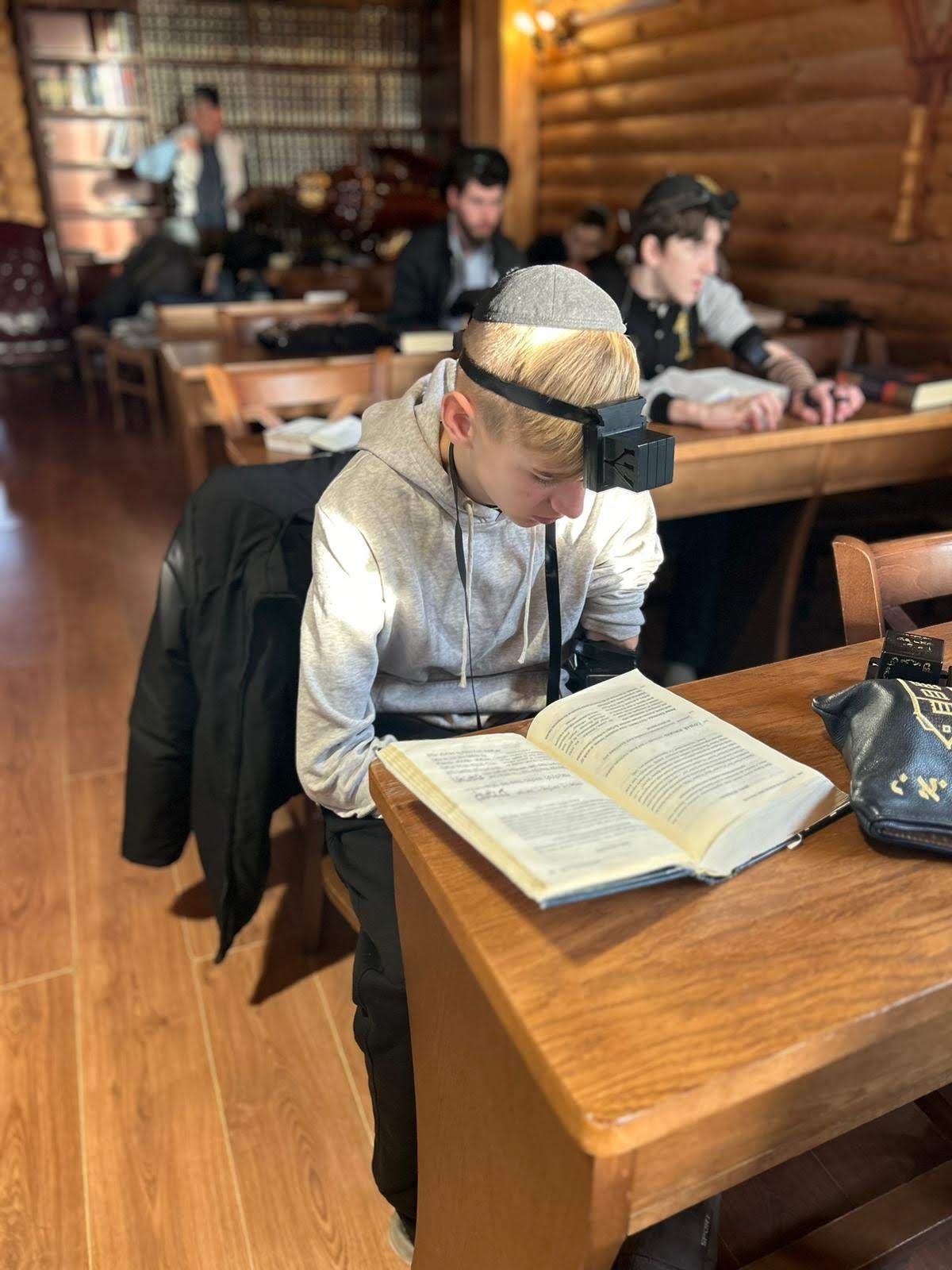
Yeka Boys camp: Beit Midrash time! (Photo: Yeka Boys archive)

From Boys to Girls: Building a Lifeline

The Camp Yeka Boys was founded with the guidance of Rabbi Shmuel Kaminetsky and the Dnipro Jewish community. With their help, the dream of a group of American yeshiva students who wanted to give Ukrainian children a place of joy, learning, and belonging, came true.

“From the beginning, the mission was simple,” explains Levi Berger, today the director of Yeka Boys. “No Jewish child left behind.”

For years, the program thrived, staffed almost entirely by student volunteers who poured their summers into building lifelong bonds with children struggling with poverty, alcoholism at home, or complete abandonment. Stories of transformation abound boys who underwent brit milah at camp, children who discovered Jewish identity for the first time, teens who stayed connected long after the counselors left.

“I've learned that the language of love is very powerful, especially for a child who doesn't get a lot of love in life,” explains Levi Berger to JFeed.
Loading...
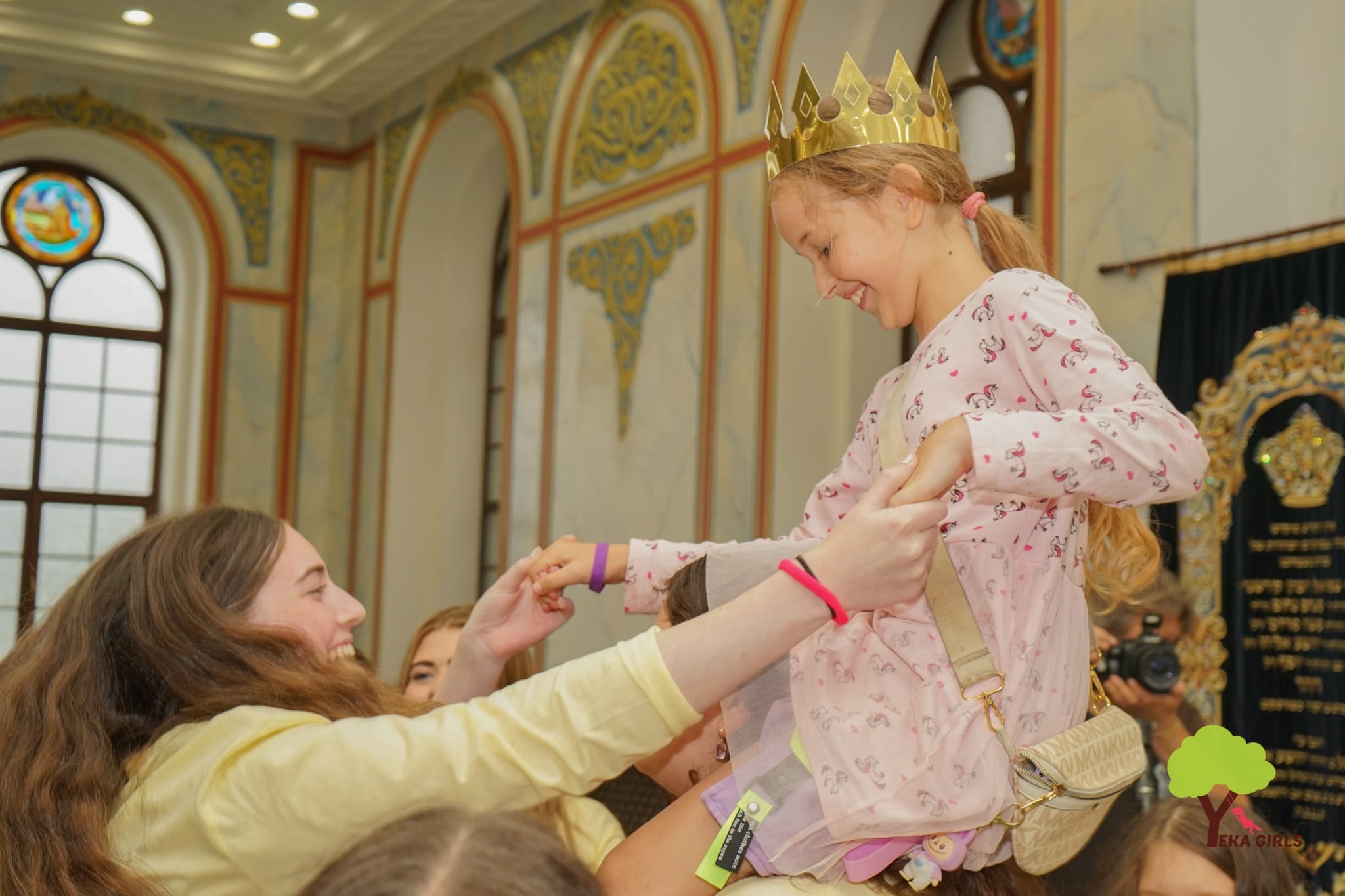
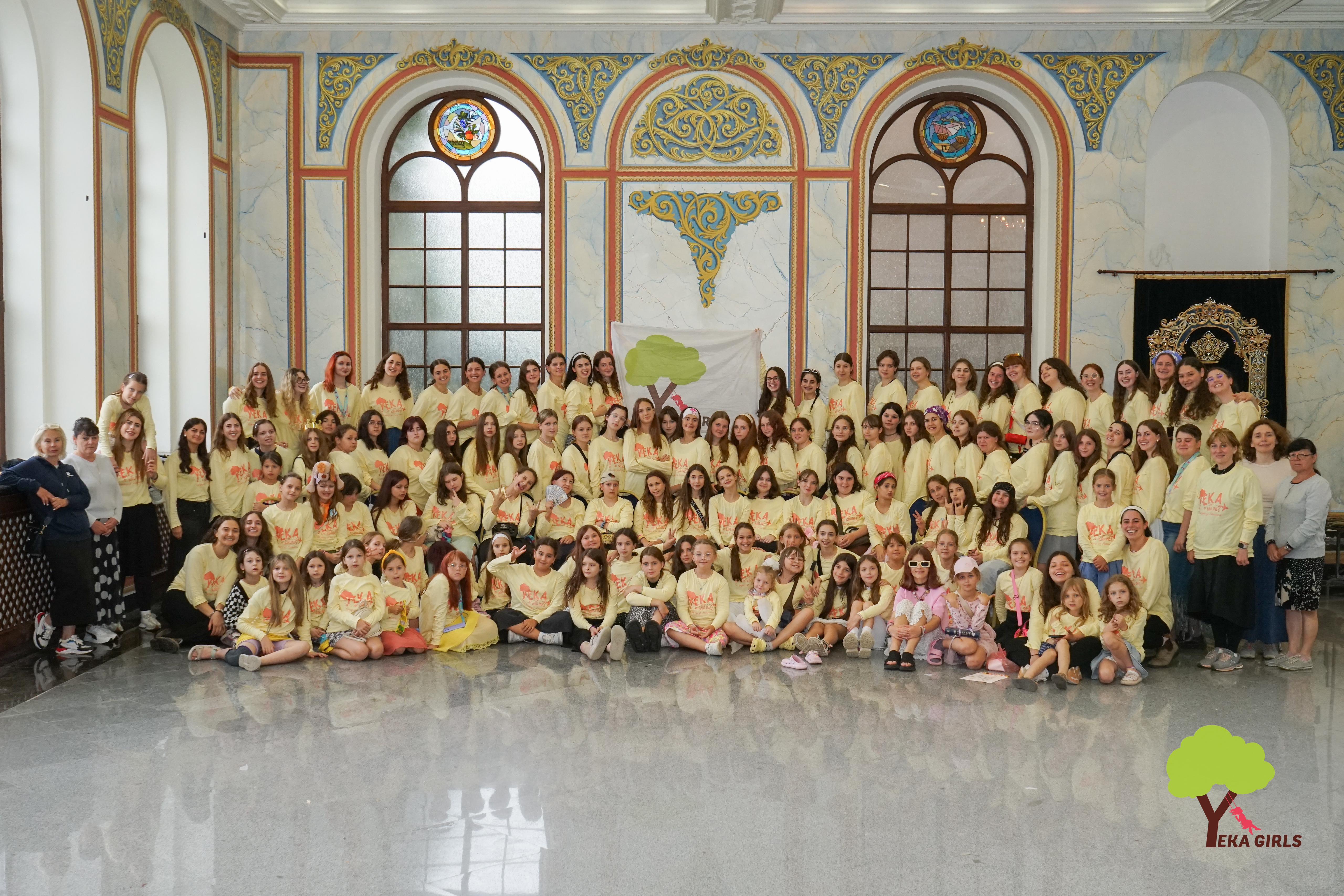
Yeka Girls in Ukraine (Photo: Yeka Girls archive)

Seventeen years later, in 2015, Camp Yeka Girls was born. The spark came from their now female director, who preferred to stay anonymous. Then just 19, she had spent a year in a Ukrainian Jewish orphanage.

“After I met the girls, I knew I would do everything for them,” she recalls. “Some had families, but home was not a safe place. The camp gave them a place of love and a comfortable shelter during vacations, when being at home wouldn't be such a fun experience.” Yeka Girls director reveals tO JFeed.

The first summer camp brought 110 girls, gathered through calls to Chabad orphanages across Ukraine. The children begged for more, and Yeka Girls quickly grew into a fixture of both summer and winter.

“We’ve never denied a single girl,” says Yeka Girls director. “Even those who cannot pay. Every session is built on fundraising.”
Loading...
Yeka Boys camp Ukraine (Photo: Yeka Boys archive)

War Changes Everything

For both camps, the 2022 Russian invasion of Ukraine upended everything. Suddenly, what had been a sanctuary for a few dozen children became a critical support system for hundreds displaced by war.

“In one summer, we went from dozens to nearly 400 girls,” says the girls director to JFeed. Camps relocated to Hungary and Israel, sometimes just weeks after bombings. Yeka also became a lifeline for relocation and resettlement. More than 100 girls now live permanently in Israel, with ongoing support, therapy, and mentorship from Yeka staff.

The boys’ side faced the same challenge.

“It was always much cheaper to run a camp in Ukraine,” Levi Berger notes. “But once the war began, we had to move to Israel and Europe. Many kids don’t even realize the trauma they carry. They’ve lost homes, parents, and safety.”

Despite financial struggles, the mission remained unchanged: be present. Volunteers organized smaller programs across Europe and Israel, visiting refugee families, running camps during Pessach, and offering consistency in a world that had none.

Loading...
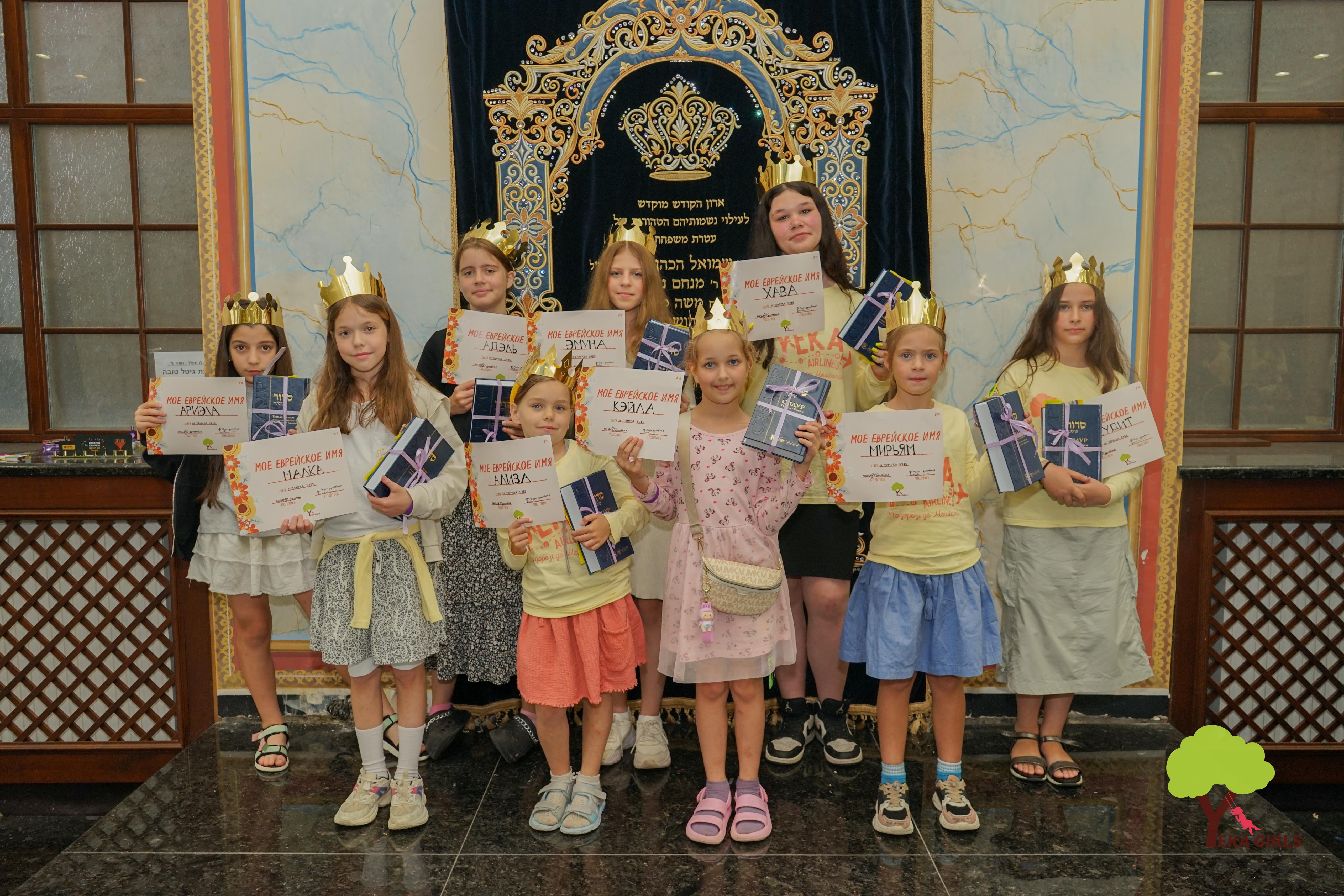
Jewish name recipient cerimony at Yeka Girls in Ukraine (Photo: Yeka Girls archive)

The Yeka Effect

Both directors describe Yeka as a source of unconditional love in a culture often marked by harshness.

“The main lesson is how powerful love is,” Berger says. “Many of these kids never receive it. At Yeka, the counselors become best friends for life. It’s pure Ahavat Yisrael.”

For the girls, the impact shows in everyday Jewish practice.

“Their neshamot are so special. We teach them Torah and you see the results. Suddenly, they started to ask us for study materials and sidurim. It's the first time they see Judaism is fun, and they connect,” says Yeka Girls director to JFeed.

Between the most beautiful stories of Yeka, there is the candles' miracle: During the peak of Russia vs. Ukraine war, one night, close to the beginning of shabbat, one of the Yeka girls called her counselor in tears because she couldn’t light Shabbat candles at home, so the counselor promised to light for her.

The long-term bonds are undeniable. Weddings of former campers have become Yeka milestones; some now return as counselors and, years later, come presenting their kids. A few years ago, a friend of Levi’s was stopped by a soldier in Hebron. Suddenly, the combatent spoke to Berger's friend in Russian, revealing to be a former Yeka boy and asking if the man knew Levi Berger, who was with him in camp nine years earlier. “He and his brothers had done brit milah at Yeka,” Levi recalls. “He wanted to reconnect.”

Loading...
Yeka Girls reconnect to Judaism: Jewish name and first siddur recipient cerimony (Photo: Yeka Girls archive)

Dreams for Tomorrow

Both directors speak with the same mix of realism and hope.

The Yeka Girls director dreams of a world where Yeka is no longer needed. “I wish Mashiach would come, and there would be no more orphans of war. Just a normal camp, without the sad background.”
Yeka Boys director, Levi Berger, echoes that vision but insists Yeka must remain ready to inspire, no matter what. “I don’t need a massive building,” he says. “I just want Yeka to keep inspiring, loving, and connecting with kids. That’s success.”

For now, Yeka continues to run three camps a year: summer, winter, and Pessach, across multiple countries. Every session is a patchwork of donations, volunteers, and resilience.

But for the children who learn how to pray, light candles, sing Hebrew songs, eat kisher food, keep shabbat and feel safe for the first time in months, Yeka is more than a camp. It is home.

Ready for more?

Join our newsletter to receive updates on new articles and exclusive content.

We respect your privacy and will never share your information.

Enjoyed this article?

Yes (304)
No (12)
Follow Us:
3

Loading comments...