The Inside Story

 Israel Finally Recognizes Lone Haredi Civil Service Volunteers

Knesset Labor Committee approves expanded definition of 'lone volunteers' • New benefits include increased stipends, housing support, financial assistance | Landmark reform ends years of discrimination (Jewish World)

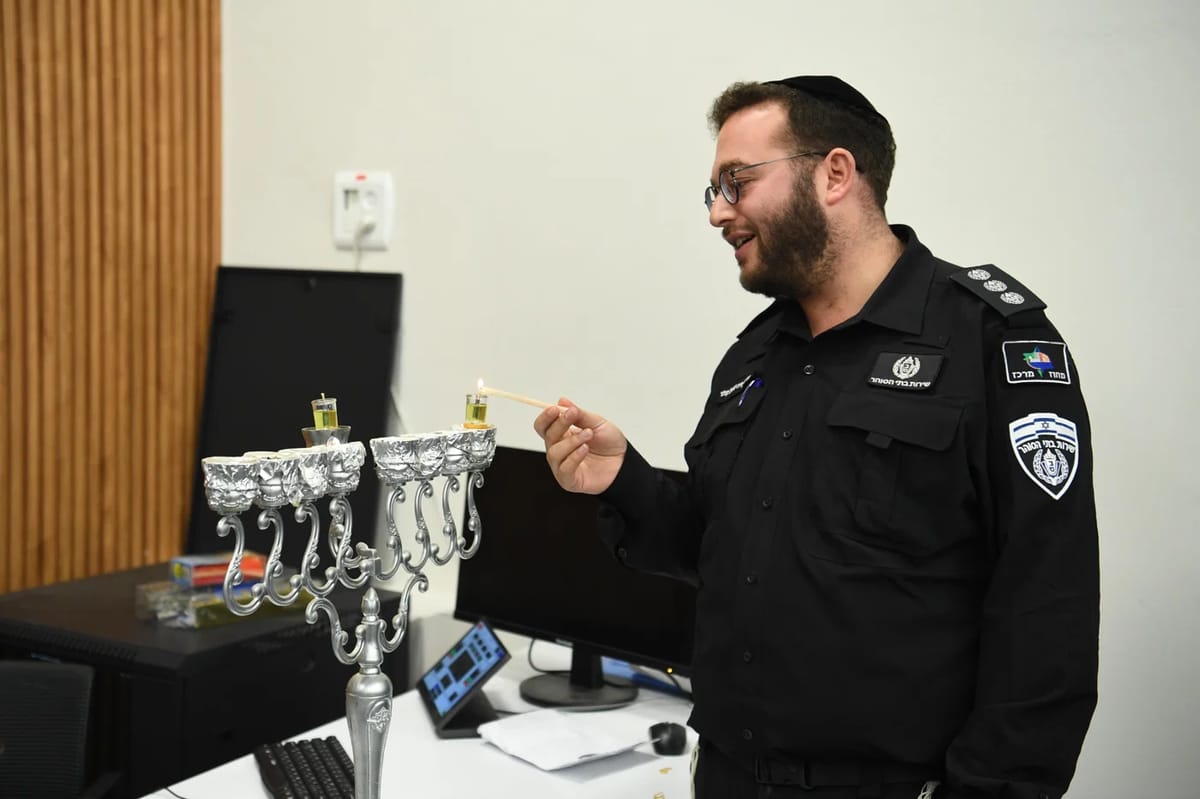
Lighting Chanukah candles in Ofer prison

Israel's Knesset Labor and Welfare Committee approved a landmark reform Monday that for the first time grants formal recognition to lone volunteers serving in the national-civilian service program, extending to them benefits previously reserved only for IDF soldiers without family support.

The regulatory amendment, championed by MK Penina Tamano-Shata and adopted by Settlement and National Missions Minister Orit Strock, dramatically expands the definition of "lone volunteer" to include not only those whose parents live abroad or who have lost both parents, but also young people who grew up in foster care, institutional settings, or were eligible for abandoned-child allowances before beginning their service.

According to sources familiar with the deliberations, the reform addresses a longstanding inequity that left hundreds of young Haredi men and women serving the state without the safety net afforded to their counterparts in uniform. The move signals a significant shift in how Israel treats civilian national service, elevating its status closer to military duty in terms of state support.


Expanded Financial and Social Support Package

The new regulations include a comprehensive expansion of financial aid and social services for lone volunteers. Key provisions include increased stipends, expanded eligibility for various reimbursements, and tailored support mechanisms designed to enable volunteers to complete their service under optimal conditions.

"This is a social and moral correction of the highest order," Minister Strock declared in a statement following the committee vote. "The State of Israel is obligated to stand beside every young person who chooses to serve it, and certainly beside those doing so without a supportive family structure."

The reform was initially proposed as legislation by MK Tamano-Shata but was adopted by Strock's ministry as regulatory amendments to the National Service framework, allowing for faster implementation. The decision reflects a broader policy vision that views young people contributing to Israeli society through civilian service as deserving the same institutional backing as those in military roles.

"The Mind Cannot Accept This Situation"

MK Michal Waldiger, who chairs the Labor and Welfare Committee, emphasized the symbolic importance of the vote. "Today we salute the volunteers of national service — Israel's social patrol," Waldiger stated. "I will continue to act and ensure that national service volunteers receive care, and certainly those among them who need a more significant safety net and accompaniment."

MK Tamano-Shata, chair of the Blue and White faction, expressed deep emotion over the reform's passage. "I am very moved by this amendment for young men and women without family support who serve the state," she noted. "The mind cannot accept a situation in which people serve national service for the sake of Israel, contributing a year or even two years of their lives, and are forced to work hard at night just to have a roof over their heads and bread to eat."

Reuven Pinsky, director-general of the National-Civilian Service Authority, described the vote as a watershed moment. "This is a significant day for national service and for hundreds of volunteers who serve the state despite complex personal and family challenges," Pinsky confirmed. "For years we have worked to improve conditions for lone volunteers in national service, similar to soldiers, and today we are completing an important step toward equality of opportunity and full recognition of their contribution."

The regulations are expected to enter into force following completion of the legal process and publication in the official gazette. The reform marks a historic shift in Israel's treatment of Haredi volunteers and other young people who choose civilian service paths, granting them institutional recognition that advocates say has been overdue for years.

Ready for more?

Join our newsletter to receive updates on new articles and exclusive content.

We respect your privacy and will never share your information.