A new pareve milk product is drawing attention in the kosher market after taste tests reportedly left participants convinced they were drinking regular dairy milk.
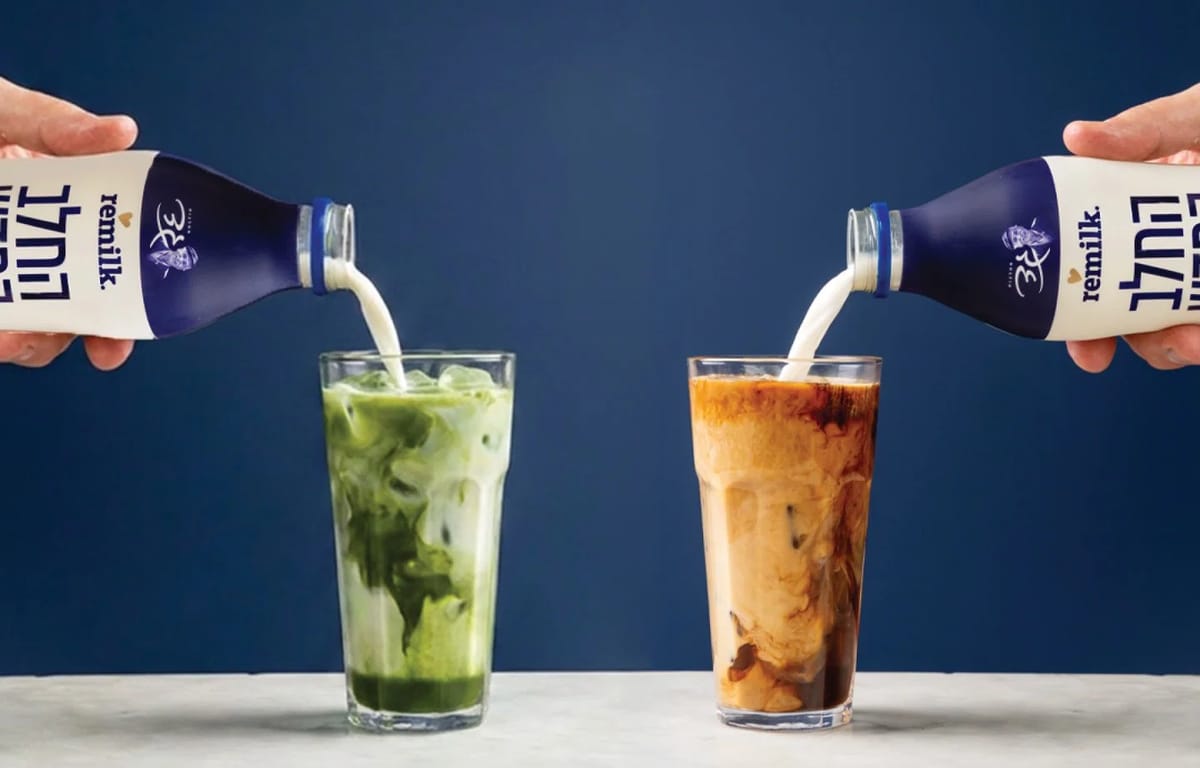
After six years of development and an investment of around $100 million, Gad Dairies and food-tech company Remilk have launched what they are calling “the new milk,” a pareve product designed to deliver the taste, texture, and performance of dairy milk without using any animal-derived ingredients.
The product is being marketed as a major development for kosher consumers, particularly those who want a proper coffee after a meat meal without turning to soy, almond, or oat-based alternatives. For many consumers, those substitutes have long been viewed as a compromise, often with a noticeable aftertaste, limited foaming ability, or a texture that falls short of dairy milk.
According to the companies, the new product is fully pareve under strict kosher supervision. The key innovation is a fermentation process in which yeast is used to produce milk protein without involving cows. The process begins with the DNA sequence of a milk protein, which is then used to enable yeast to produce the protein through fermentation, similar in principle to processes used in bread or beer production.
Remilk’s rabbinic leadership says the kashrut framework was built into the product from the earliest stages of research and development, rather than added after the fact. The company says every stage, including the development of the yeast strain, sourcing of ingredients, and production process, was carried out under close halachic supervision. The product is sold under the supervision of Badatz Igud Rabbanim, led by Rabbi Shalom Landau.
Beyond coffee, the companies are positioning the product as a wider solution for the kosher kitchen. Unlike many plant-based alternatives, which can behave differently when heated or mixed into recipes, the new milk is being promoted as suitable not only for foaming and drinking, but also for cooking and baking. That could make it especially significant for pareve desserts, cakes, creams, sauces, and other recipes where dairy texture has traditionally been difficult to replicate after a meat meal.
The product contains 75% less sugar than regular cow’s milk, has 3% fat, and contains no lactose, cholesterol, antibiotics, or hormones. However, because it contains real milk protein, it is still considered a milk allergen and is not suitable for people with serious milk-protein allergies.
The product has launched in 750 ml bottles with purple caps, including a coffee-focused version, a vanilla-flavored version, and a professional barista version for cafés. Gad and Remilk say additional pareve products based on the same technology are already in development.