Contrary to what many believe, Yom Kippur isn't meant to be a day of beating ourselves up and wallowing in past mistakes. Instead, it offers us something far more valuable: the opportunity to release ourselves from the burden of our past and move forward with new vitality.
This release begins with genuine remorse, not the kind that crushes us with shame, but the kind that affirms our essential goodness. When we feel remorse for our actions, it's actually evidence of our moral compass functioning properly. Bad people don't regret their harmful actions; they justify them. The very fact that we experience the sting of regret demonstrates that we are fundamentally good people striving to be better. Our remorse is fuel that propels us forward.
The journey of release continues with forgiveness, which operates on multiple essential levels. First, we must learn to forgive ourselves by recognizing that we have evolved beyond the person who committed those errors. Self-forgiveness is about transformation. "I'm not that person anymore" becomes a statement of growth. The Jewish view of forgiveness isn’t about absolution of sin. We are not looking to make excuses and simply do away with the transgression as if it didn’t happen. Rather, we recognize that it happened, but we work on ourselves to become better people, people who wouldn’t commit that transgression anymore.
Then comes the often more challenging task of forgiving others. When someone has caused us genuine pain, forgiveness can seem impossible or even undeserved. The wisdom of Yom Kippur teaches us that forgiveness isn't primarily for the offender's benefit, especially if they haven't changed and asked for forgiveness; it's for our own liberation. We don't forgive because they deserve it; we forgive because we deserve to be free of the pain. By releasing resentment, we free ourselves from carrying others' mistakes as our burden.
Perhaps the most transformative aspect of Yom Kippur is when we humble ourselves to ask forgiveness from those we've hurt. This act requires vulnerability, courage, and humility. There's immense power in owning our mistakes because Jewish tradition teaches us that we aren't defined by our errors; we are defined by how we respond to them, rectify them, and grow through them.
In the modern digital age, we've witnessed a troubling trend: the generic social media text or WhatsApp apology. Often, people send out a broadcast message declaring, "If I've offended anyone, I'm sorry." This approach is worthless, demonstrating a lack of sincerity because the person writing the message isn’t specific about his or her transgression, and the message is often used to avoid true accountability and the vulnerability that real forgiveness requires.
These blanket apologies might seem like they're making amends, but they're often just avoidance mechanisms that bypass the necessary discomfort of confronting our specific failures. Judaism emphasizes that kavana (intention) and sincerity matter most. A written apology, even through digital means, can be meaningful if it includes a specific acknowledgment of the harm caused, demonstrates genuine remorse, and offers vulnerability.
Having said that, Judaism also recognizes the unique power of the spoken word. Speech is how God created the world, and similarly, our speech creates the reality we live in. When we speak words of apology directly, whether in person or by phone, we project our emotions more authentically and create space for healing. This approach makes us more vulnerable; we might face rejection or uncomfortable silence. We might hear pain in the voice of someone we've hurt. But in that vulnerable space, something transformative happens that can't be replicated through text alone. Face-to-face or voice-to-voice communication allows for nuance, tone, and genuine dialogue. It creates the conditions for real reconciliation rather than just a formal apology.
Yom Kippur reminds us that true forgiveness, both giving and receiving it, is about leaning into the vulnerable spaces with courage, specificity, and sincerity while attempting to build bridges with those we have hurt. Through this process, we grow beyond our past, we gain the opportunity to really see one another, and we open up new pathways to become the people we are truly meant to be.
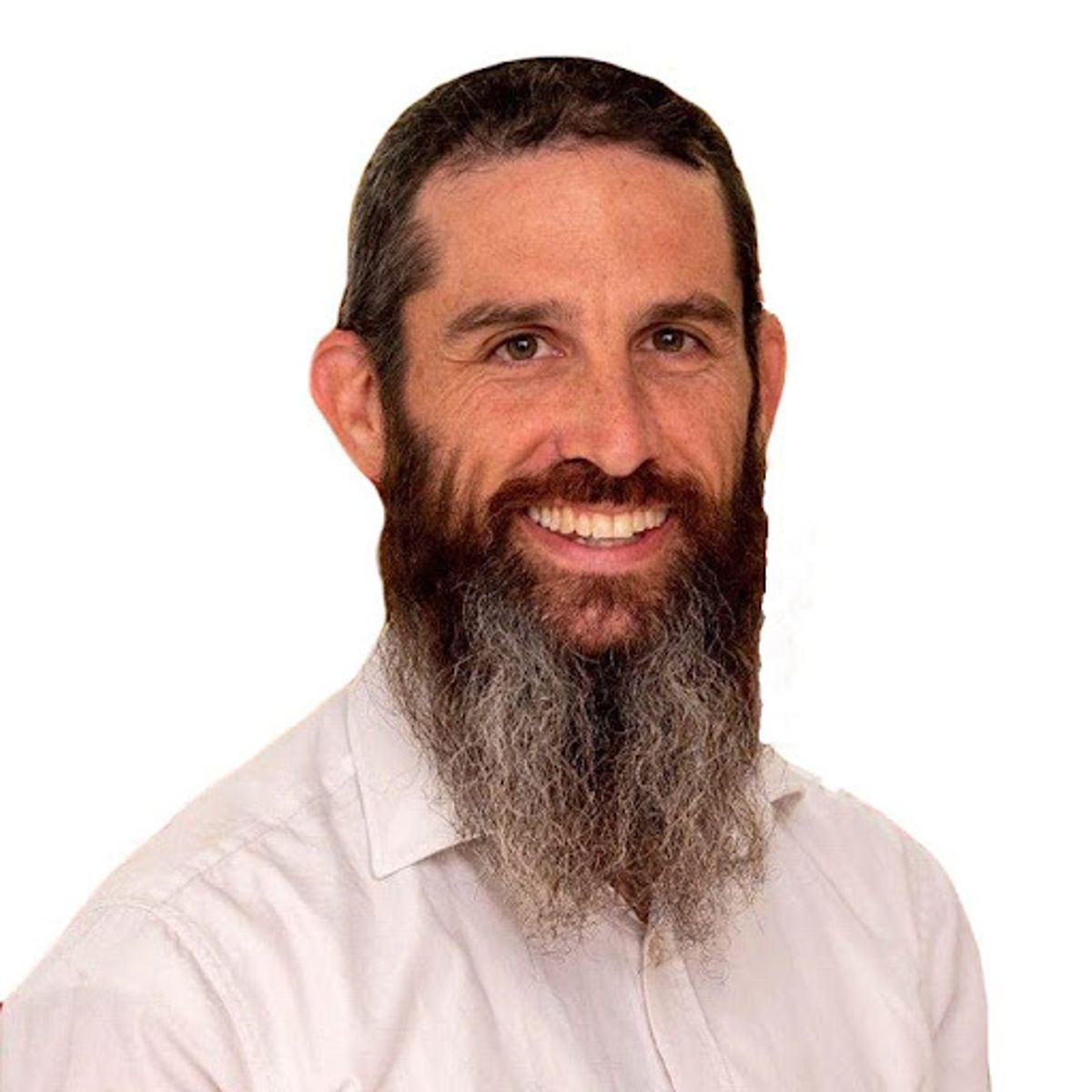
Rabbi Dov Ber Cohen is the author of "Mastering Life: A Unique Guidebook to Jewish Enlightenment" and "The Essential Teachings." He was formerly a monk and a master of Eastern wisdom traditions. He was also featured on social media as Nas Daily's Rabbi.
Rabbi Cohen lives in Jerusalem with his wife and children.