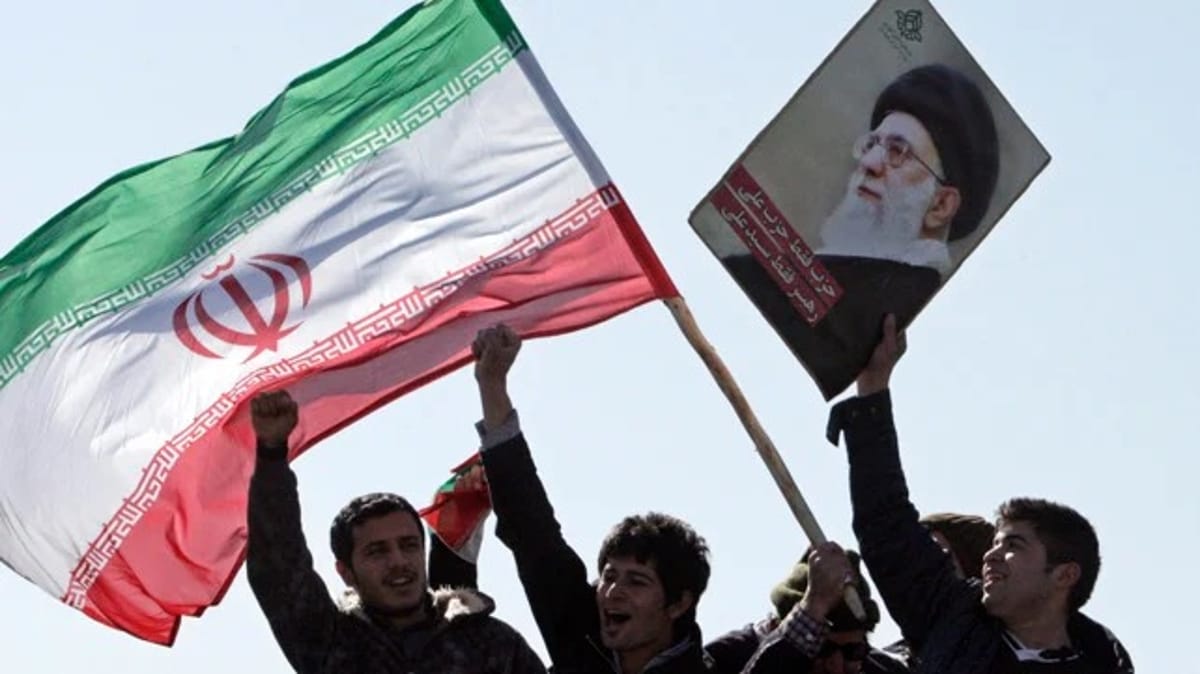
In a revealing Q&A session with N12, Arab affairs analyst Ohad Hemo addressed some of the most pressing questions regarding the nature of the current war and the motivations of the "Axis of Resistance." From the likelihood of a Third World War to the deep-seated theological hatred the Iranian regime harbors for Israel, Hemo provided a stark perspective on why this war is unlike any previous conflict. He warned that despite the hopes of some, the modern era does not produce the kind of total surrender seen at the end of World War II. Instead, Israel is facing a regime that is willing to risk its own people and its most sacred religious sites in a relentless pursuit of ideological dominance and the total destruction of the Jewish state.
The Myth of Total Surrender
One of the most frequent questions from the public is when the war will finally end and if it will result in a lasting global peace. Hemo noted that while President Trump speaks of a "near end," the reality on the ground is far more complex. "We are no longer in an era where an opponent raises a white flag and surrenders completely like Nazi Germany," Hemo explained. He cautioned that even if the campaign against Iran concludes, the war with Hezbollah may continue independently, as Israel maintains a strict separation between the two fronts. The idea of a "grand finale" that brings world peace is unlikely, as the deep-seated ideological roots of the regime’s proxies mean they will continue to fight even if their patrons in Tehran are defeated.
Cynicism Over Sacred Sites
Hemo also addressed the surprising fact that Iran continues to fire missiles toward Jerusalem, despite the city being home to the Al-Aqsa Mosque and nearly 400,000 Muslims. This, he argues, is a testament to the regime’s "cynicism and lack of care." For the Iranian leadership, the goal of hitting an Israeli target outweighs any religious or humanitarian concern for fellow Muslims or holy sites. This willingness to risk everything for a single strike is driven by a combination of religious-theological factors, including anti-Semitic elements in Shiite extremist thought, and a political ideology that views Israel as a "foreign, colonialist power" that must be erased to secure the Middle East for the Islamic Republic.
The Regional Ripple Effect
The war is also having a profound impact on Israel’s neighbors, particularly Saudi Arabia. While many hoped the war would accelerate normalization, Hemo pointed out that the October 7 massacre and the subsequent wars have actually widened the gap between the Saudi public and Israel. "The October 7th war caused a distance between Saudi Arabia and Israel and a dramatic hit to the willingness of the average Saudi to get closer," Hemo said, citing clear polling data. Furthermore, many in the Gulf are wary that an absolute Israeli victory could turn the country into a "regional superpower," a prospect that concerns local leaders almost as much as the Iranian threat. Despite the common enemy, the path to true normalization remains blocked by decades of ingrained hostility and the current violence.