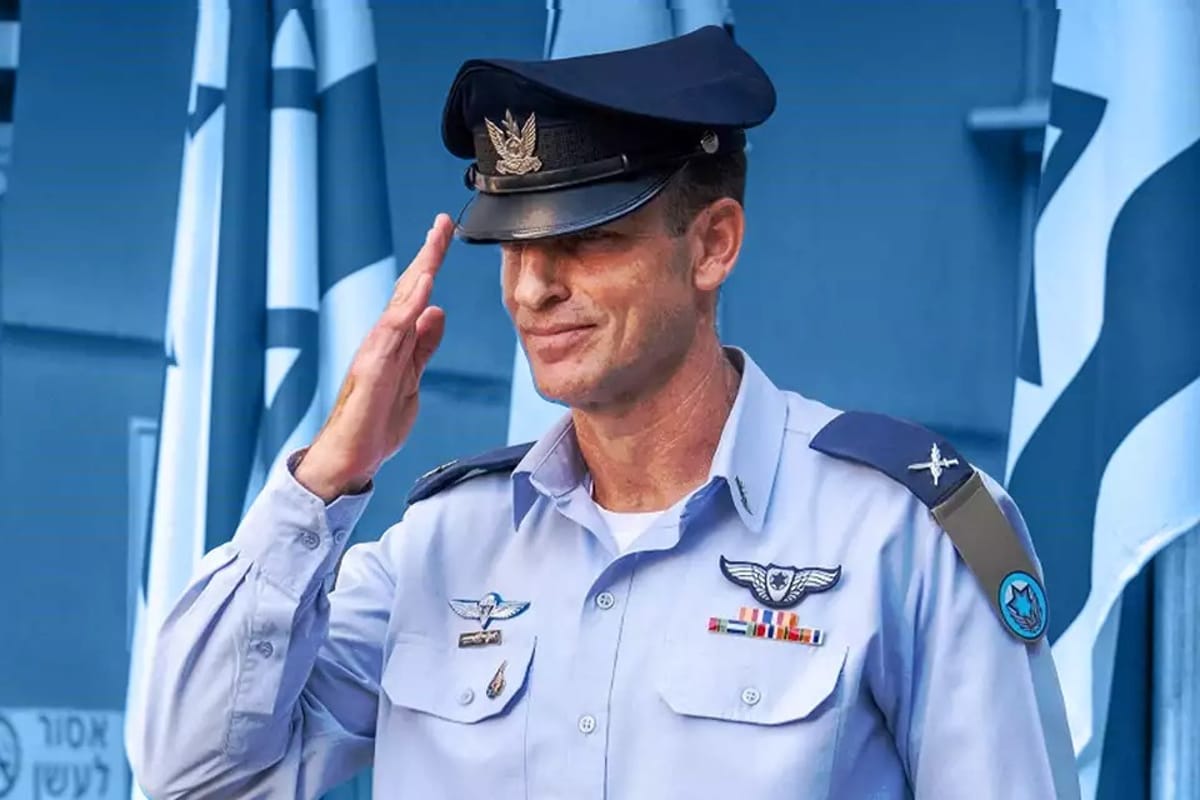
When the sirens began to wail on the morning of October 7, Brigadier General Tomer Tishler, who is slated to become the next Air Force commander, was forced to quickly realize that the situation was far from a routine escalation. Recently appointed as Chief of Air Staff, Tishler found himself thrust into the heart of the crisis, navigating a fog of uncertainty as the extent of the Hamas terrorist attack became clear. His decisive actions that day, specifically his order to bypass traditional bureaucratic protocols to prioritize the neutralization of terrorists near the border, have since been recognized as a turning point in the initial hours of the war.
By 9:15 AM, Tishler was stationed in the command bunker, the nervous system of the Air Force. He quickly understood that the meticulous and often slow process of approving strikes was entirely unsuitable for the chaotic events unfolding across the border. He issued a direct and unprecedented order to all pilots, instructing them to engage any individual approaching the security fence without the need for further authorization. This shift, which allowed for the first extensive use of air power inside Israeli territory, resulted in a significant surge in defensive strikes beginning at 9:30 AM.
For Tishler, the coming week represents the beginning of a massive responsibility. Appointed to the position of Air Force commander, he will take over at a time when the military is transitioning from the immediate intensity of the war toward a period of long-term structural adaptation. For decades, the Air Force had focused almost exclusively on the possibility of a major engagement with Iran. With that mission now executed during the current war, Tishler is tasked with redefining the purpose and operational focus of the service.
However, the challenge is not just strategic, but human. Conversations with Air Force personnel, both active duty and reservists, highlight a palpable sense of exhaustion. The intensity of the operations, particularly following the strikes in Iran, has left crews drained. The primary challenge for the incoming commander will be the management and rehabilitation of these human resources. Tishler must now balance the need for constant readiness with the necessity of restoring the resilience of a force that has been pushed to its limits during this protracted war against Hamas terrorists.