While Tehran continues to project a defiant front, intelligence reports and energy experts warn that the Iranian economy is staring into an abyss. The U.S. naval blockade has not just slashed exports; it has created a catastrophic "logistical nightmare" that could force a total industrial shutdown within weeks.
Experts from firms like Kpler and JPMorgan indicate that Iran is rapidly running out of places to put its own oil. With exports plummeted by 70% since the blockade began in early April, the country is estimated to have only 12 to 22 days of unused crude storage capacity remaining.
The "No Off-Switch" Problem
Unlike a factory, a multi-billion-dollar oil field cannot simply be turned off with a flick of a switch.
- Technological Decay: Many of Iran’s wells rely on aging infrastructure. Reducing pressure or halting flow is a high-risk mechanical process that can cause permanent structural damage to the wells.
- The Recovery Gap: Restarting a mothballed well is a "slow mechanical resurrection." Industry benchmarks suggest that if Iran is forced to cap its wells now, it could take six months or more to return to full capacity once the conflict ends.
- Forced Cuts: Analysts predict that by mid-May, Iran will be forced to slash production by an additional 1.5 million barrels per day simply because there is nowhere left to pump it.
Kharg Island: The Strategic Choke Point
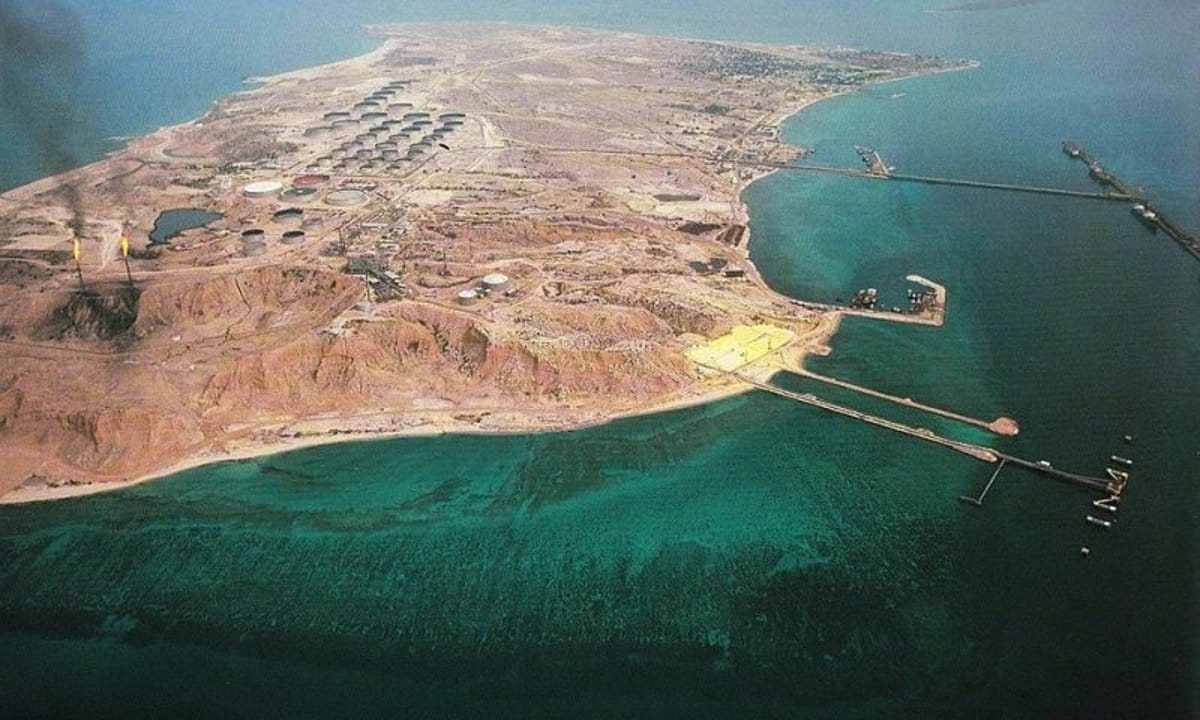
Kharg Island, the terminal responsible for nearly 90% of Iran’s oil exports, has become a digital and physical battlefield. While the IRGC claims exports are rising, satellite imagery tells a different story: storage tanks are reaching their maximum limits, and the U.S. Navy’s "maximum pressure" blockade has effectively paralyzed the port.
U.S. Treasury Secretary Scott Bessent recently characterized the situation as "economic wrath," designed to cut off the regime's primary source of income, which accounts for over 80% of its total export revenue.
The Threat of Social Explosion
The economic squeeze is already bleeding into the domestic sphere:
- Employment Crisis: The oil sector employs millions; a total shutdown would trigger mass unemployment overnight.
- Fuel Paralysis: Disruptions in the supply chain are expected to lead to a "crippling gasoline crisis," stalling domestic transport and services
- .Renewed Protests: Earlier today, the IRGC issued a rare warning regarding the "potential reignition of civil unrest."
While the regime may have cash reserves to survive a few more months, the physical collapse of its oil infrastructure threatens to undermine its social control far sooner. For a nation "drowning in oil" it cannot sell, the gold is no longer black—it is a weight dragging the economy toward a total reset.