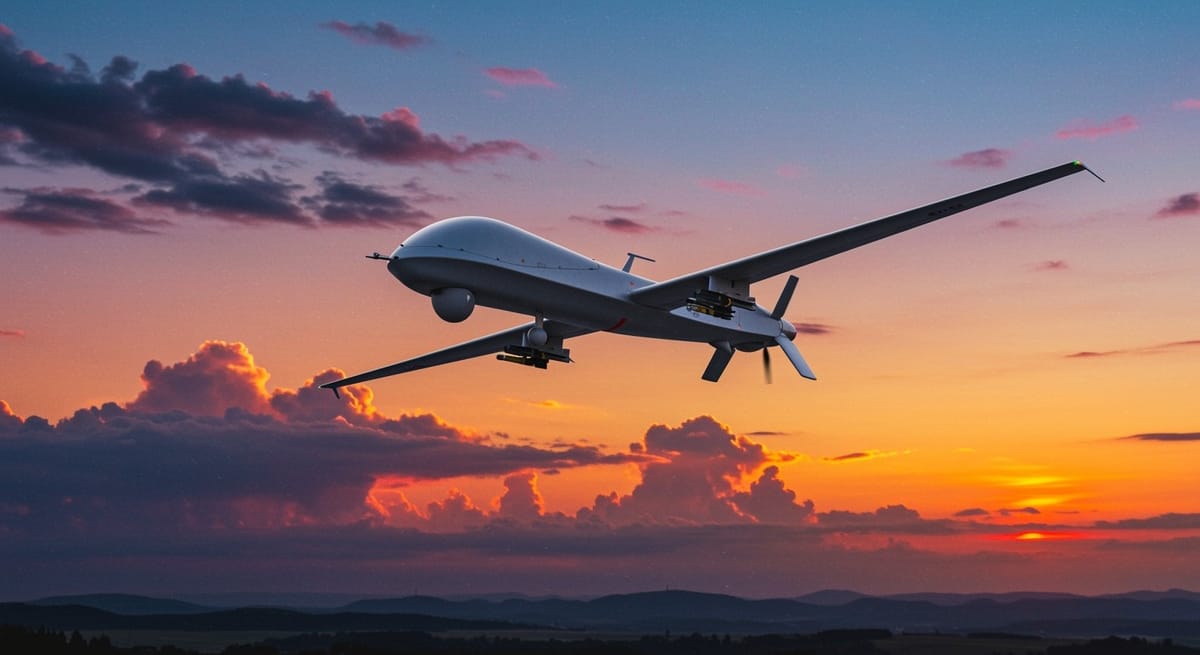
Since the onset of the war with Hezbollah, the organization has consistently employed various drone and suicide UAV tactics to target IDF soldiers and armored vehicles. In response to the significant challenges posed by these low-altitude threats, the Commander of the Ground Forces, Major General Nadav Lotan, has initiated a comprehensive effort to bridge the technological and doctrinal gaps that have hindered ground units thus far.
This major strategic pivot includes the creation of specialized task forces aimed at detecting, intercepting, and neutralizing aerial hazards that have proven difficult for traditional systems to track.
The decision to mobilize these task forces marks a shift in how the IDF addresses the tactical environment in southern Lebanon. One of the new teams is responsible for updating operational doctrine regarding low-altitude threats on a weekly basis, incorporating real-time lessons from the field to ensure that ground units remain as protected as possible. Another unit is dedicated to developing detection and jamming capabilities. A senior official within the Ground Forces acknowledged the difficulty of the mission, explaining that the smaller the drone, the lower its signature, making it exceptionally challenging to identify during flight.
In the interim, the military is relying on human spotters who identify incoming threats and relay alerts through military radio networks. While this method has seen some success, it is not considered a complete solution.
Consequently, the IDF is currently in the process of procuring specialized ammunition, specifically a 5.56 millimeter splitting round, and testing dedicated anti-drone rifles for final-layer defense. In addition, a third task force is focusing on the digital spectrum, particularly the jamming of GPS-based drones, while a fourth team prioritizes physical hardening and concealment, such as the deployment of camouflage netting to increase troop survivability.
Research from conflicts elsewhere, particularly in Ukraine, has emphasized that proper operational behavior, the use of dummy targets, and physical camouflage can significantly reduce an enemy’s ability to strike effectively.
The IDF is now demanding high levels of operational discipline from all commanders and troops, starting from basic training.
A sixth team, integrating intelligence from the Military Intelligence Directorate, is analyzing how Hezbollah manages its operations, including the potential use of underground command centers. The Seventh task force oversees the integration of these efforts.
As the IDF continues to refine these techniques, the military acknowledges that this is a continuous learning race against a Hezbollah force that is also constantly professionalizing its use of modern technology.