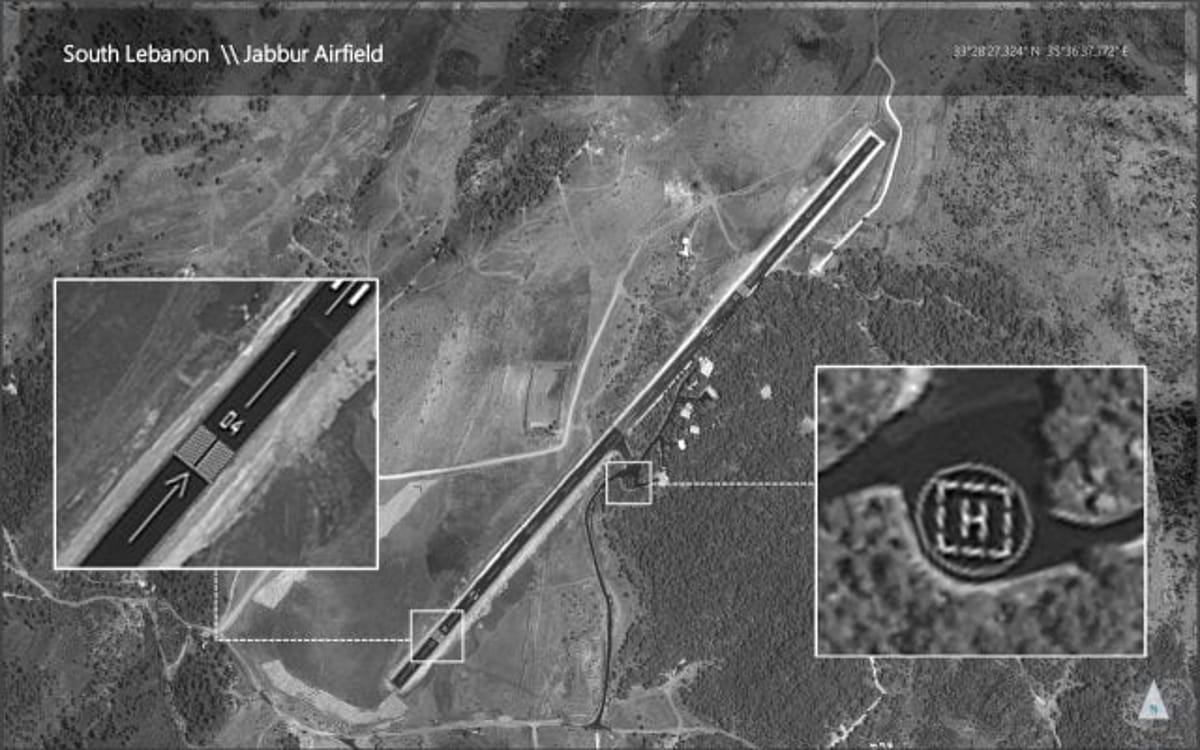
In a development that highlights the intense shadow war taking place across the Middle East, new reports have emerged alleging that operatives from the Israeli Mossad successfully constructed a clandestine landing strip in a remote area near Isfahan. If these allegations are verified, the project would represent an extraordinary level of infiltration, suggesting that foreign intelligence services managed to pave a functioning road capable of handling aircraft and helicopters under the radar of Iranian security forces. This potential site, situated deep within the interior of Iran, raises critical questions about the reach of intelligence agencies and the vulnerability of the region to sophisticated sabotage and logistics operations.
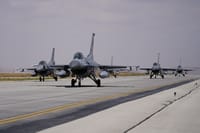
The alleged construction of the landing strip near Isfahan serves as a stark reminder of the sophisticated and often invisible operations currently defining the war between Iran and its adversaries. According to the reports, the project involved the physical paving of a remote stretch of road, designed specifically to serve as a tactical landing zone for American fixed-wing aircraft and rotary-wing assets. The ability to complete such infrastructure work without triggering an immediate response from the Islamic Revolutionary Guard Corps or local intelligence units underscores the severe gaps in Iranian regional monitoring.
This infrastructure effort appears to be a major escalation in the ongoing campaign against Iran’s strategic assets. Isfahan has long been a focal point for both nuclear research and military manufacturing, making it one of the most sensitive locations in the country. By establishing a dedicated landing site in its vicinity, those responsible for the operation would be creating a unique capability to insert or extract personnel, deliver specialized equipment, or conduct rapid reconnaissance missions with minimal transit time. The sophistication required to transport machinery, materials, and specialized labor to a remote location without being detected suggests a deep level of planning and reliance on local, non-state assets.
The broader context of this operation aligns with a series of successful disruptions that have targeted Iranian infrastructure since the beginning of the war. From the destruction of air defense networks and missile sites to the ongoing struggle for maritime control, the tactical environment inside Iran has become increasingly precarious for the regime. While the Pentagon and official Israeli channels maintain their usual silence regarding clandestine activities, the existence of such a landing strip would represent a fundamental shift in how the war is prosecuted, moving from temporary strikes to the establishment of permanent logistical footprints within hostile territory. As the Trump administration weighs its options for the next phase of the war, the presence of such a facility would provide a significant, albeit quiet, advantage for ongoing and future operations aimed at curbing Iranian aggression.