Shocking Espionage Plot: Iranian Agents Demanded IAF Technician Assassinate Air Force Chief
Iranian handlers pushed IDF service member for escalating missions over year-long contact • Soldier told to photograph homes of Netanyahu, Bennett, and senior officials | The disturbing details revealed (Israel News)

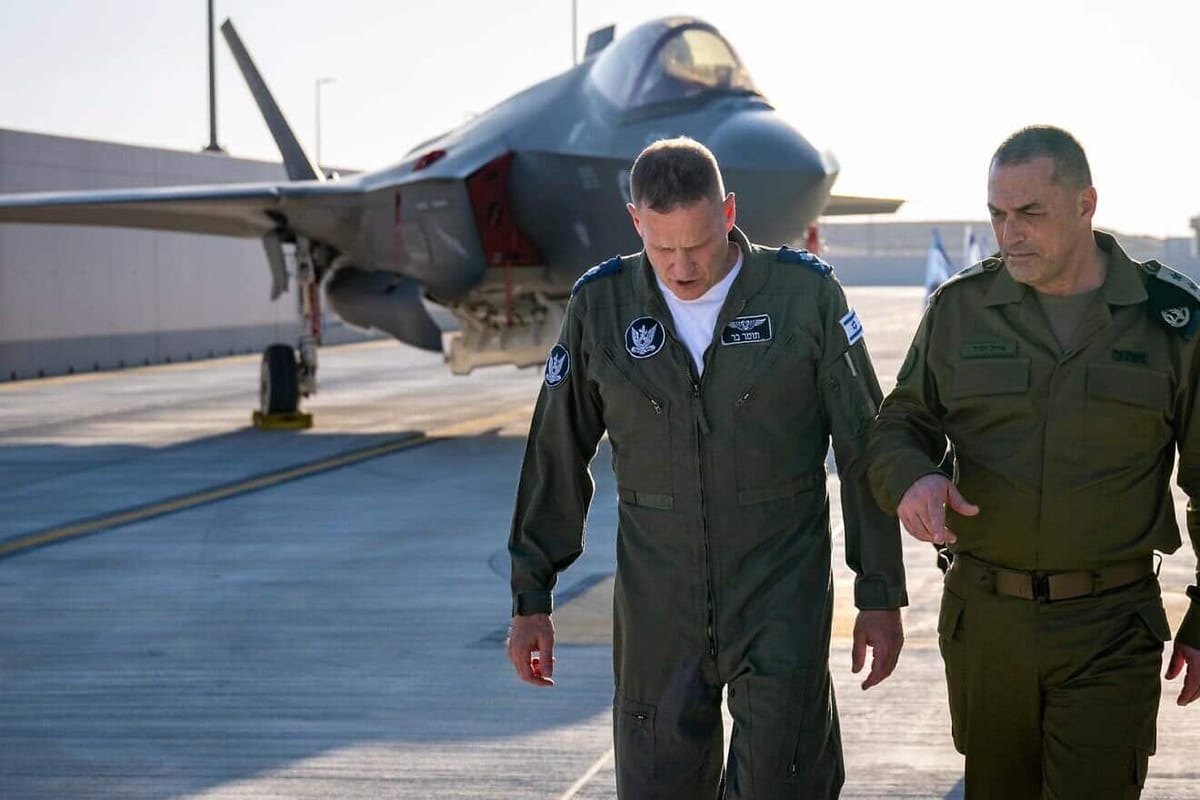
Disturbing new details emerged Thursday evening regarding the espionage case involving two Israeli Air Force technicians, revealing the extraordinary scope of Iranian intelligence demands placed on IDF service members. The most alarming revelation centers on a direct request from Iranian handlers for one soldier to assassinate Major General Tomer Bar, the Commander of the Israeli Air Force.
According to a report by Galei Tzahal military correspondent Doron Kadosh, the Iranian operatives demonstrated no hesitation in escalating their demands to unprecedented levels. When presented with the assassination request, the soldier reportedly did not reject the proposal outright, instead informing his handler that he would "look into it and try" to carry out the mission.
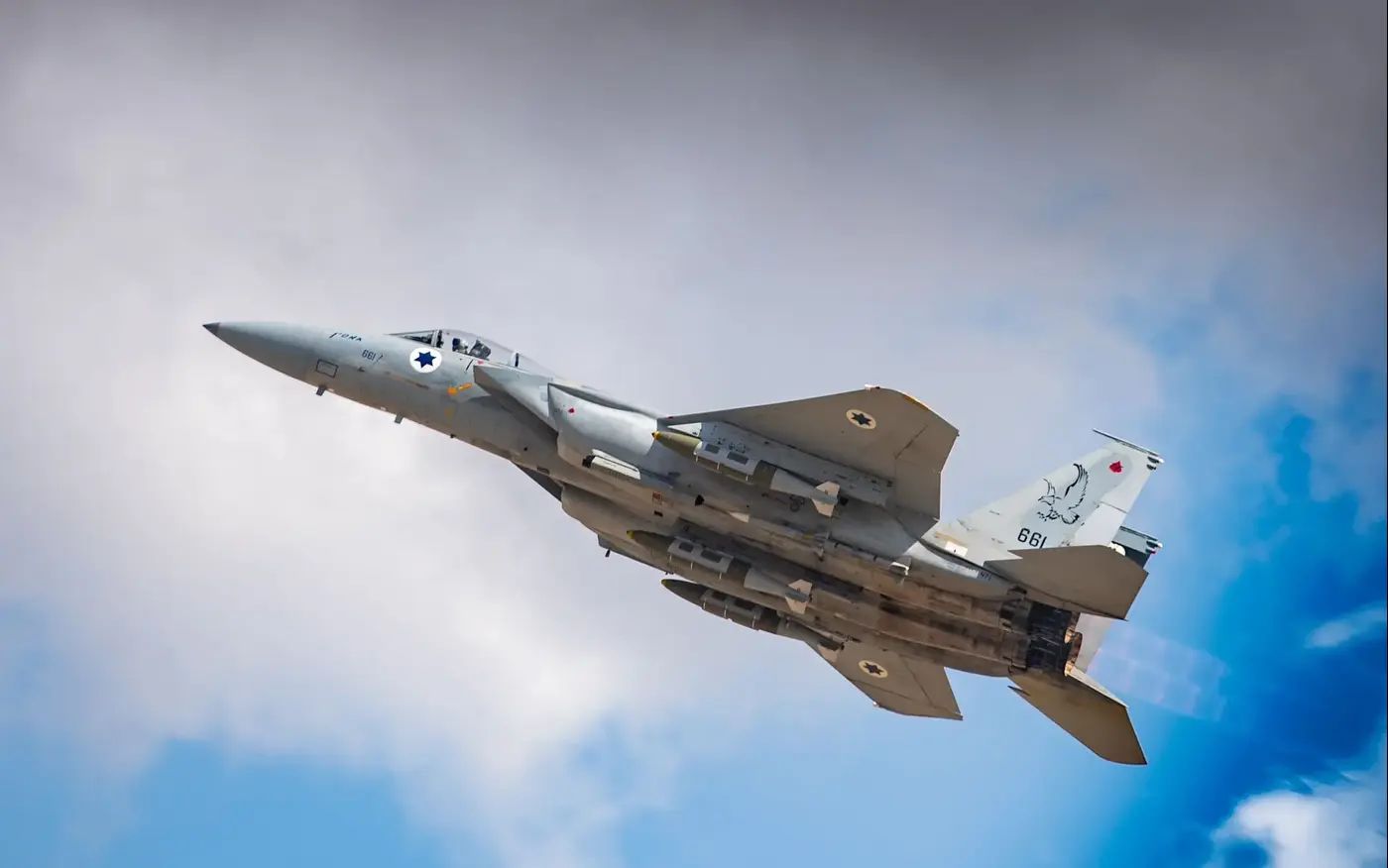
Extensive Target List Included Senior Officials
The Iranian intelligence operation extended far beyond military targets. The handlers compiled an extensive list of high-value objectives, including requests to photograph residential streets where senior Israeli officials reside. Among the targets were Prime Minister Benjamin Netanyahu, former Prime Minister Naftali Bennett, National Security Minister Itamar Ben-Gvir, and former IDF Chief of Staff Herzi Halevi.
Finance Minister Bezalel Smotrich received particular attention from the Iranian operatives, who demonstrated special interest in his movements and location. The handlers also demanded imagery of strategic civilian locations in Tel Aviv, specifically Rothschild Boulevard and Kaplan Street, areas known for their proximity to government and military installations.
Military Intelligence Demands and Minimal Compensation
On the military front, the service members faced requests for highly sensitive operational intelligence. The Iranian agents demanded precise coordinates of Iron Dome battery positions and air defense systems, photographs of military installations, and location data regarding senior IAF pilots. The soldiers were instructed to document control towers, runways, and unmanned aerial vehicles stationed at their base.
The financial aspect of the espionage operation reveals a troubling pattern of exploitation. When the Iranian handler initially inquired about monthly compensation, asking "What monthly salary will satisfy you?", the soldier requested merely $1,300. Throughout the year-long contact period, during which numerous conversations took place, the soldier transmitted information classified as "Confidential" regarding fighter jet systems from his technicians' course. However, the Iranian agent dismissed this intelligence as insufficient, demanding "more serious and important" missions instead.

Escalating Demands and Operational Sabotage Attempts
The soldier's attempts to demonstrate loyalty to his handlers included photographing fighter jets stationed at the base. Yet the Iranians continued to express dissatisfaction, taunting him that the documentation was "not enough" and demanding footage of actual aircraft takeoffs. Notably, the soldier received no financial compensation for the photographs of the control tower, runways, and drones he had already provided.
The espionage plot reached a critical juncture ahead of Operation Rising Lion in June 2025. Iranian operatives offered the soldier hundreds of dollars to sabotage the mission by causing delayed takeoffs of jets scheduled for operational activity. The soldier refused to perform this task, marking a turning point in the relationship with his handlers.
Following the soldier's refusal to carry out an armed terror attack, Iranian intelligence severed all contact. In a puzzling development, the soldier continued attempting to reach his handlers and even searched for other Iranian agents on social media platforms. However, Iranian intelligence, apparently suspecting he had become a double agent, chose to ignore all further communication attempts.
This case represents one of several recent espionage arrests involving Iranian recruitment of Israeli citizens, highlighting the ongoing intelligence war between the two nations during this period of heightened regional tensions.