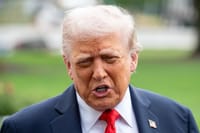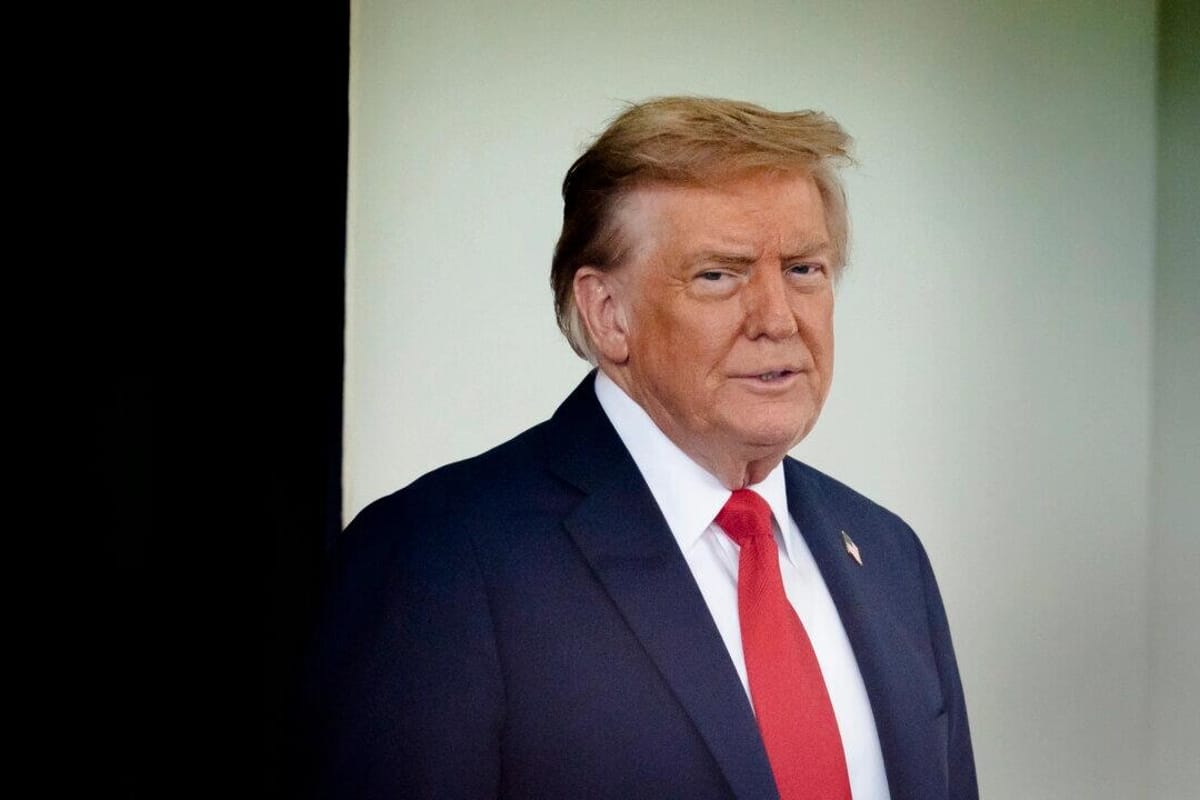
In a direct address from the Oval Office on Thursday, President Donald Trump clarified the high stakes of the ongoing war with Iran, asserting that the United States maintains absolute control over the Strait of Hormuz. The President revealed that he personally intervened to keep the strategic maritime passage closed, rejecting an earlier Iranian proposal because it failed to meet his standards for a long-term solution. Emphasizing that he is in no rush to finalize an agreement, Trump declared that the status quo will remain until a deal is signed or, as he ominously noted, something else happens.
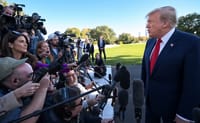
The American strategy in the region has entered a phase of heightened pressure, characterized by a near-total naval blockade that has paralyzed Iranian commerce. President Trump confirmed to reporters that the U.S. military has successfully engaged a significant portion of its target list during the war, stating that 75 percent of objectives were hit before the pause in operations. He noted that the decision to stop was driven by the adversary's request for peace, but made it clear that any future arrangement must be permanent, rather than a temporary fix. According to the President, the blockade is 100 percent effective, and the inability of Iranian vessels to move freely is creating immense economic strain on the regime.
The internal state of the Iranian government remains a focal point for the White House, with the President observing that Tehran is currently paralyzed by internal turmoil. Trump described a chaotic power struggle between hardliners, who he claims have performed poorly on the battlefield, and other factions within the leadership. He mocked the Iranian authorities, suggesting they currently do not even know who is leading the country. This lack of clear authority has further complicated the diplomatic process, as the administration waits for a credible, unified proposal that addresses the core issues of the war.
Trump detailed the recent interactions, noting that the Iranians had approached the U.S. with a promise to open the Strait, a prospect that initially satisfied many of his advisors. However, the President rejected the offer, reasoning that reopening the passage would allow Iran to generate 500 million dollars in daily revenue, which he is unwilling to permit until the underlying problems are resolved. Consequently, he has taken personal command of the closure, ensuring the waterway remains sealed tight under the watchful eye of the United States Navy.
In addition to the blockade, the President has ordered a significant expansion of defensive operations. He has issued a directive to the Navy to eliminate any boat caught laying mines, with strict instructions that there is to be no hesitation in the use of force. To expedite the reopening of the shipping lanes on American terms, he has ordered mine-clearing activities to be tripled immediately. As the ceasefire remains in place for an indefinite period, the administration is using this time to maintain a position of leverage, insisting that the regime must decide whether to engage in a lasting, structural agreement or face the ongoing consequences of total economic and military isolation.