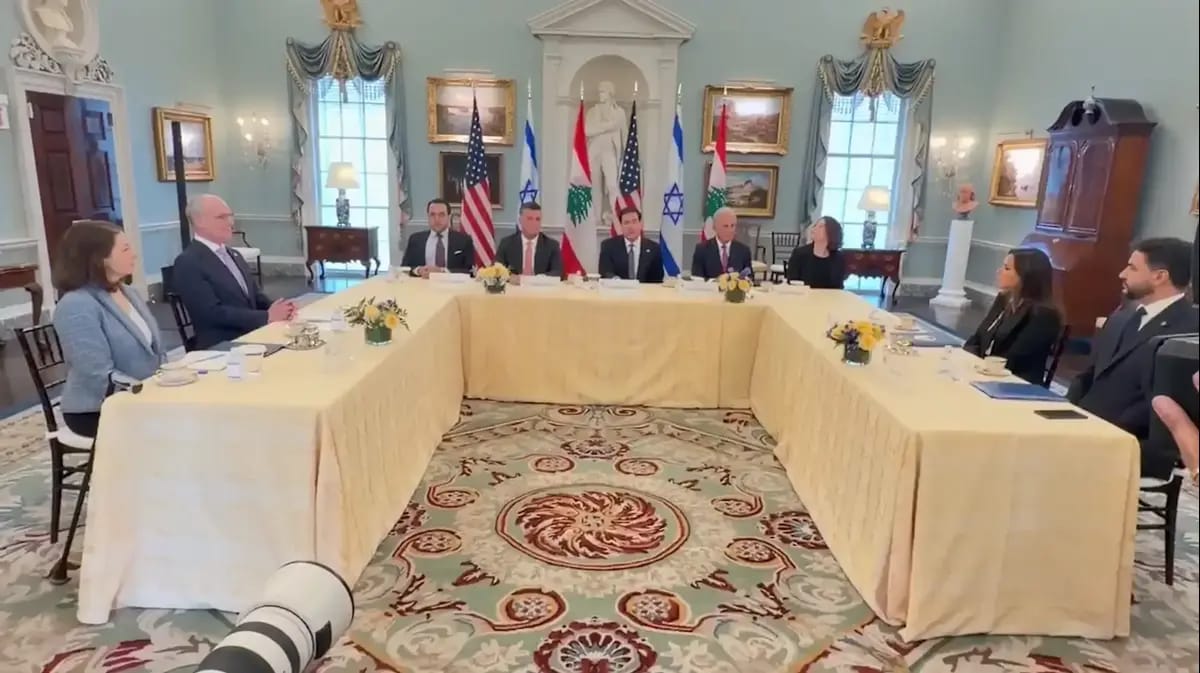
As the diplomatic venue shifts to the White House, the Lebanese government has begun to formalize its requirements for a successful negotiation process. Sources close to the Lebanese presidency indicate that Ambassador Nada Hamada is prepared to present two primary demands to the American mediators. The first is a significant extension of the current ceasefire, ideally for a period of 20 to 40 days, to allow for the stabilization of the security situation on the ground. The second demand involves an immediate cessation of the destruction of villages and towns in southern Lebanon. Beirut maintains that if Israel agrees to these terms, the talks can transition from preliminary discussions to a direct negotiation over a final peace agreement.
The broader Lebanese platform includes several key points, such as a full withdrawal of Israeli forces to the international border and the deployment of the Lebanese Armed Forces south of the Litani River. Beirut is also seeking the release of prisoners and the guaranteed return of displaced residents to their homes. While the Lebanese leadership under President Joseph Aoun sees this as a serious opportunity to end the war, there remains significant internal tension. Hezbollah remains opposed to the concept of direct negotiations, labeling the process an embarrassment and a mistake that could increase internal division. However, diplomatic sources suggest that there is strong international support, particularly from Arab and Western nations, to help Lebanon finalize its negotiating team and reach a definitive end to the hostilities.