
Blatant Violation

Ceasefire Shattered: Hezbollah Rockets Target Israel During Peace Talks

Multiple rockets intercepted over western Galilee • Attack occurs as Israeli and Lebanese delegations meet in Washington | No casualties reported (Middle East)

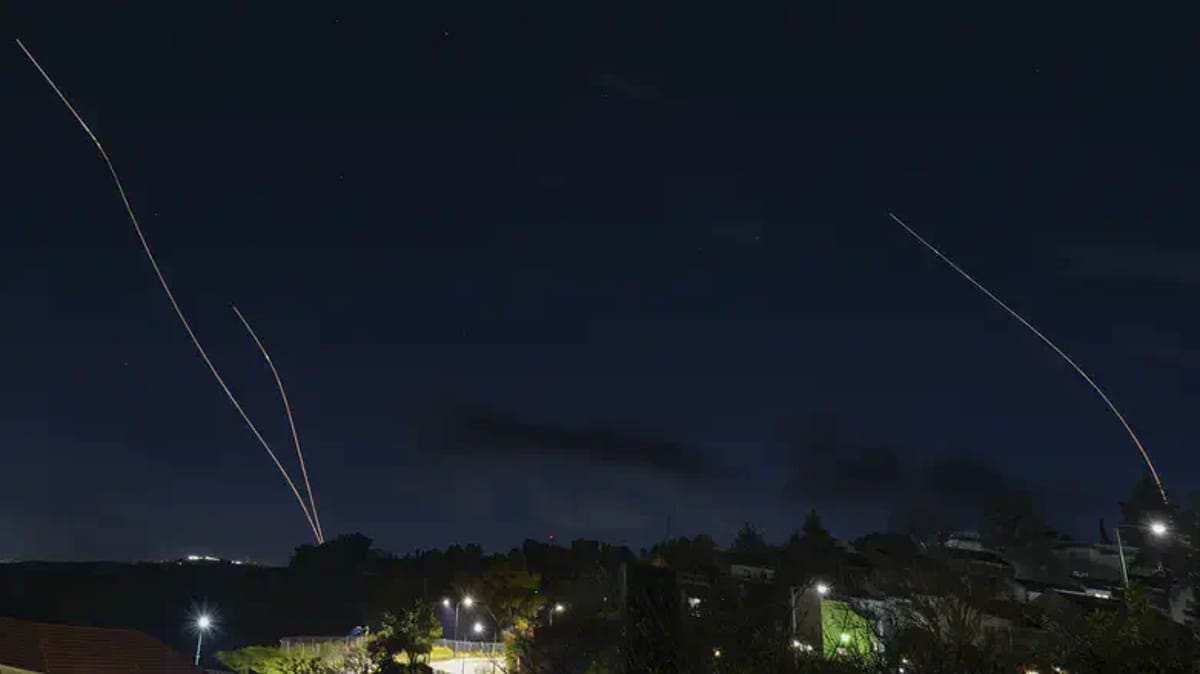
The fragile ceasefire between Israel and Hezbollah suffered another breach on Thursday evening when the Iranian-backed terror organization launched several rockets toward the community of Shtula in the western Galilee. The attack marked yet another violation of the ten-day truce announced by the United States just days earlier.

According to the IDF Spokesperson's Unit, air defense systems successfully intercepted all incoming projectiles before they could reach Israeli territory. "Following the sirens that sounded in the area of Shtula a short while ago, several launches that crossed from Lebanon into Israeli territory were identified," the military stated. "The Israeli Air Force intercepted the launches. Sirens were sounded in accordance with protocol."

No impacts were reported inside Israeli territory, and there were no casualties from the barrage. The interception represents the latest in a series of defensive successes by Israel's multi-layered air defense systems, which have been operating continuously despite the supposed cessation of hostilities.
Timing Raises Diplomatic Concerns

The rocket fire occurred at a particularly sensitive moment, as Israeli and Lebanese representatives were simultaneously engaged in a second round of direct negotiations in Washington. The talks, which represent the first direct diplomatic engagement between the two nations in over four decades, are focused on establishing a comprehensive peace framework and addressing the complete disarmament of Hezbollah.

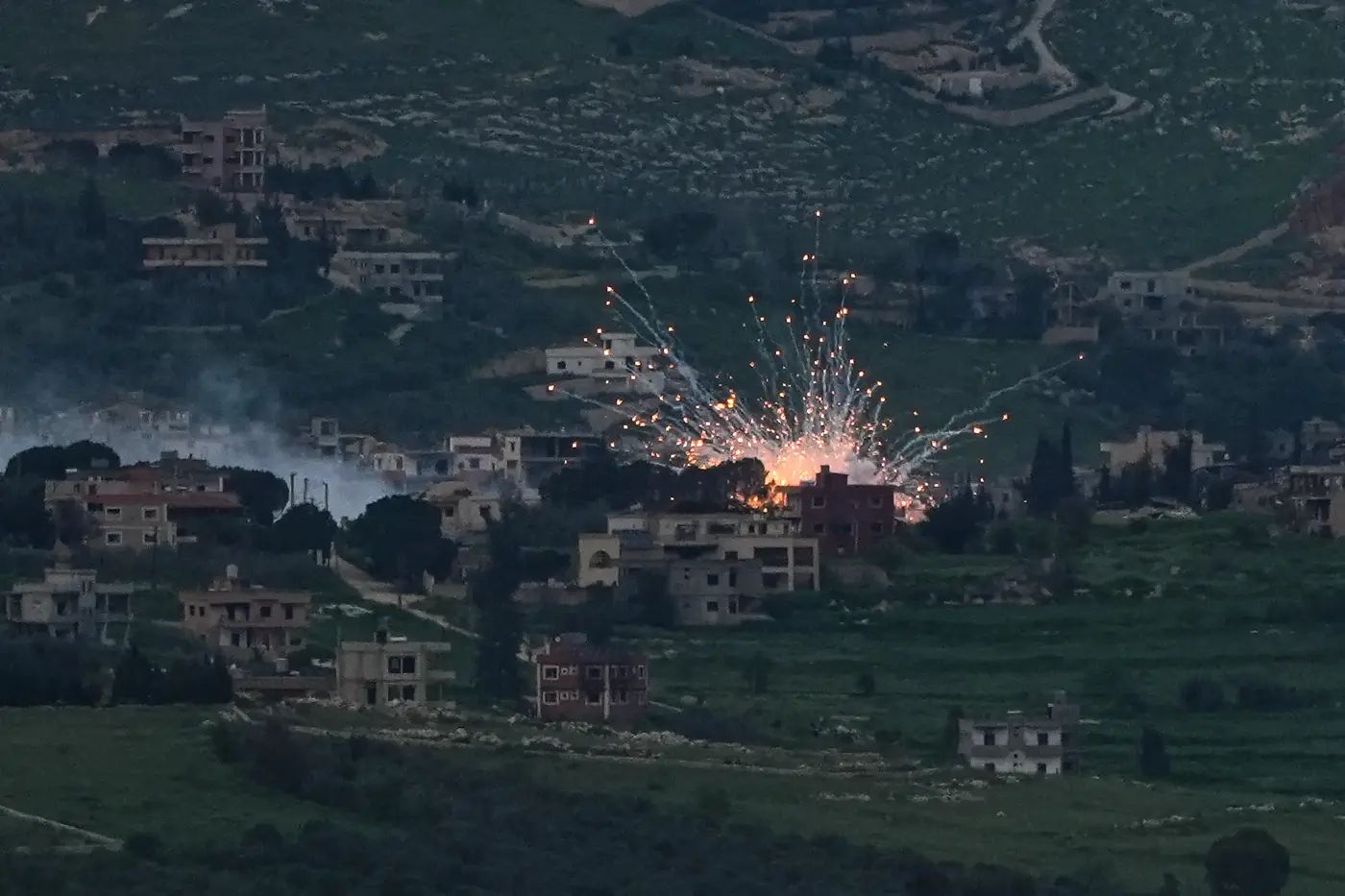
Lebanon and Israel have remained in a formal state of war since 1948. The initial round of discussions took place on April 14, followed by the announcement of a ten-day truce on April 16. However, Hezbollah has repeatedly violated the agreement, prompting Israeli retaliatory strikes against terror infrastructure in Lebanese territory.

The ceasefire framework published by the US State Department explicitly stipulates that Israel retains what it described as the right to self-defense against threats. This provision has allowed the IDF to respond to Hezbollah provocations while maintaining the broader diplomatic process.

Lebanon-Israel-US peace talks in Washington
Lebanon-Israel-US peace talks in Washington (Photo: Shmulik Almany, Israeli Embassy in Washington)

Internal Lebanese Opposition

The diplomatic initiative has faced significant resistance within Lebanon itself. Hezbollah has publicly criticized the Lebanese government's decision to engage in direct negotiations with Israel, accusing Beirut of making concessions without securing broad political or public consensus. The terror organization, which maintains substantial influence over Lebanese politics and security matters, views the talks as a betrayal of its long-standing position against normalization with the Jewish state.

Lebanese officials have pushed back against these criticisms, reiterating that decisions regarding war, peace, and negotiations rest solely with the legitimate state authorities. Government representatives emphasized that the diplomatic track seeks to spare Lebanon further suffering and economic devastation, which has intensified since the outbreak of hostilities.

According to sources close to the Lebanese presidency, Ambassador Nada Hamada is prepared to present specific demands to American mediators, including a significant extension of the current ceasefire for 20 to 40 days and an immediate cessation of Israeli operations in southern Lebanese villages.

IAF strikes in Lebanon
IAF strikes in Lebanon (photo: Ayal Margolin/Flash90)

Pattern of Violations

Thursday's rocket attack represents the latest in a disturbing pattern of ceasefire breaches by Hezbollah. Security officials have documented multiple violations in recent days, with the terror organization specifically targeting periods of Israeli national significance, including Memorial Day and Independence Day celebrations.

The IDF has maintained its deployment in southern Lebanon to ensure that no armed presence returns to the border area. On Wednesday, the military's Arabic-language spokesperson Avichay Adraee issued a stern warning to Lebanese civilians, cautioning them against returning to their villages in the southern part of the country. The spokesperson clarified that anyone moving south toward the border is putting their life at risk, as the area remains an active and dangerous military zone.

Israeli security officials emphasized that the IDF will take all necessary measures to protect Israeli sovereignty and prevent Hezbollah from reestablishing its military infrastructure along the border. The military noted that these defensive operations will continue regardless of the diplomatic process, as long as threats persist from Lebanese territory.

This is a developing story as negotiations continue in Washington.

Ready for more?

Join our newsletter to receive updates on new articles and exclusive content.

We respect your privacy and will never share your information.