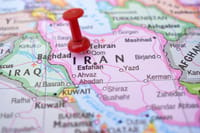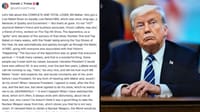
President Donald Trump stated on Tuesday that Iran has reached out to his administration, claiming the regime is currently in a state of collapse. In a post on his social media platform, the President revealed that Iranian leadership has requested the immediate reopening of the Strait of Hormuz as they struggle to manage an internal leadership crisis. While the request suggests a growing desperation in Tehran, senior U.S. officials remain deeply skeptical, emphasizing that the White House is not interested in providing premature relief while the regime continues to pursue its nuclear ambitions.
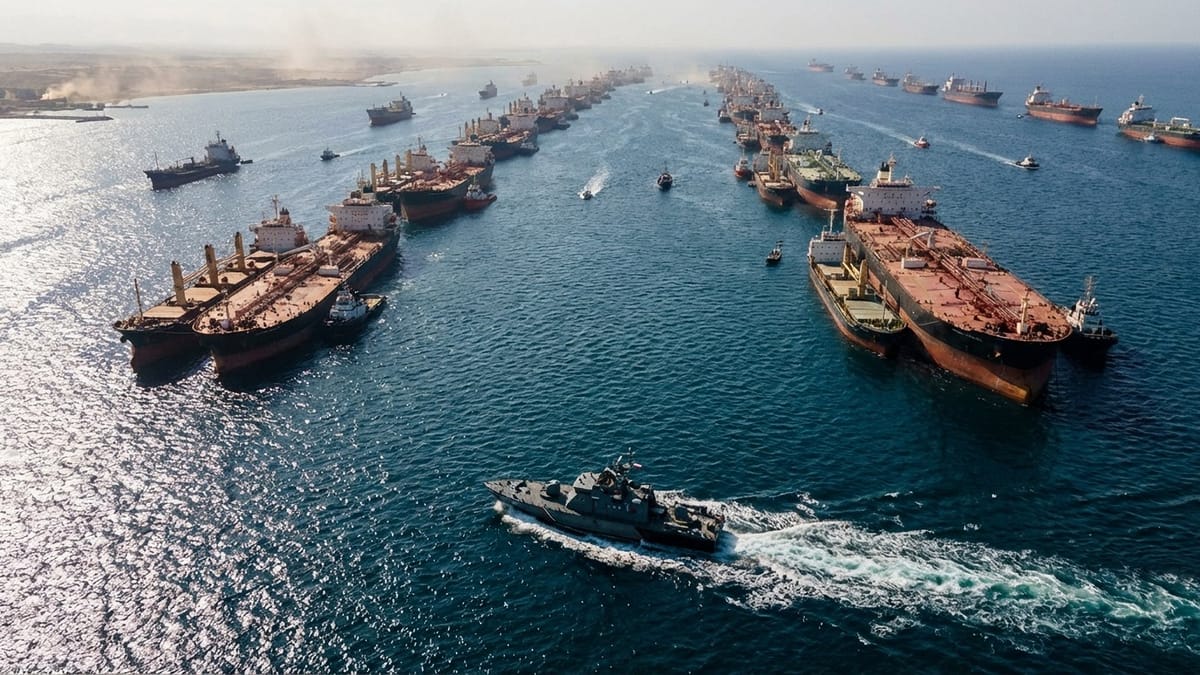
The diplomatic posturing follows weeks of a relentless naval blockade that has paralyzed Iranian commercial activity. According to assessments from U.S. officials involved in the economic campaign, the pressure is reaching a critical threshold. Within the next ten days, Iran will likely be forced to begin shutting down production at several key oil fields, and experts predict that almost all oil output will cease within three weeks. This drastic scenario is a direct consequence of the near-total halt in maritime exports, which has left Iranian oil tankers stranded and massive storage facilities filled to capacity.
Treasury Secretary Scott Bessent has been particularly vocal regarding the regime's crumbling infrastructure. He recently noted that while the remaining leaders of the Islamic Revolutionary Guard Corps are effectively trapped and desperate, the Iranian oil industry is finally beginning to yield under the weight of the U.S. blockade. The economic fallout is compounded by the fact that oil wells cannot simply be switched off and on, as the resulting underground pressure changes often lead to permanent reservoir damage. Industry analysts estimate that even if the blockade were lifted, Iran would require billions of dollars and years of labor to restore its production capacity to previous levels.
Financially, the regime is hemorrhaging an estimated 435 million dollars per day, leading to widespread shortages of basic goods, liquidity crises, and the stagnation of financial markets. Despite these dire conditions, the White House has reportedly rejected the latest proposal delivered through Pakistani intermediaries, which requested an end to the naval war before engaging in nuclear talks. Washington’s strategy remains focused on achieving an immediate and absolute surrender of Iran’s nuclear program. Furthermore, the U.S. continues to expand sanctions against any entities, including shipping companies and foreign refineries, that attempt to facilitate the sale of Iranian oil, effectively tightening the noose around the regime’s last remaining economic lifelines.