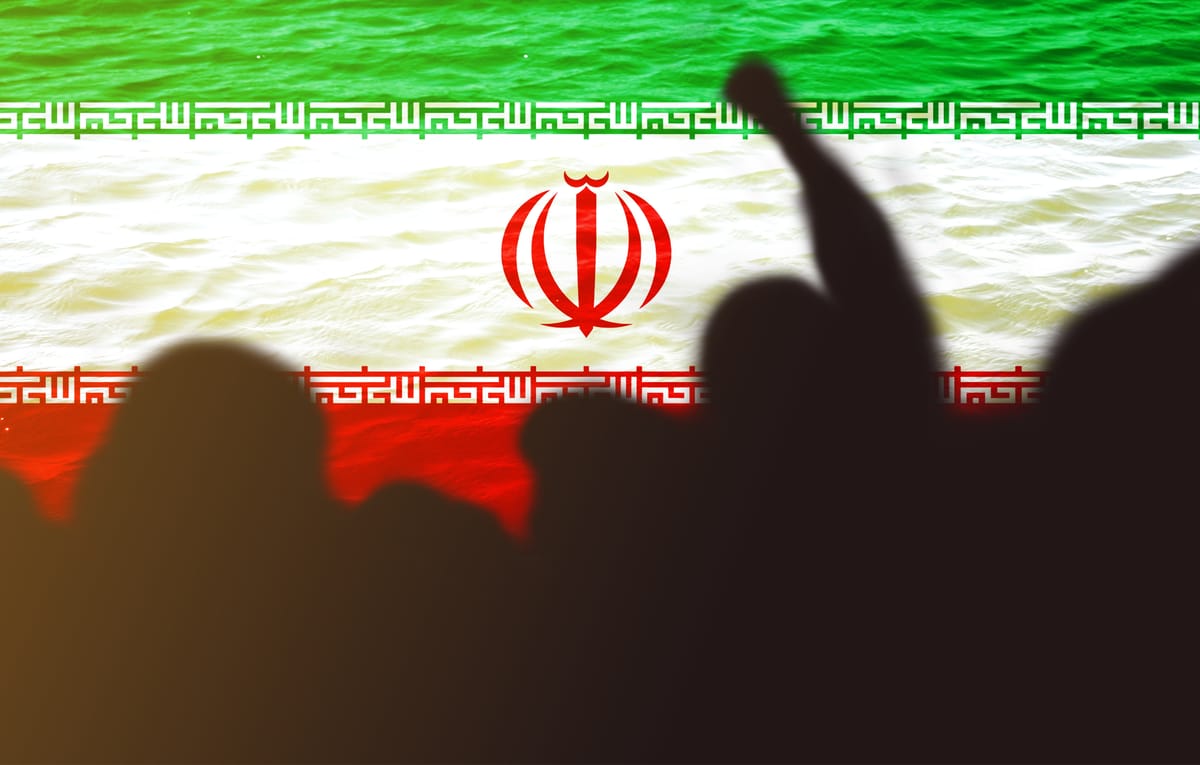
Iran's Supreme National Security Council has concluded that a new wave of nationwide protests is "inevitable," according to Iran International, a London-based Persian-language broadcaster that reported on an emergency meeting of senior security and intelligence officials.
The meeting, chaired by Mohammad Bagher Zolghadr, a senior figure in the orbit of Supreme Leader Ali Khamenei, produced a stark internal assessment: unrest could erupt "in the coming days or weeks," driven primarily by the country's deteriorating economic conditions.
Officials cited the compounding effects of the ongoing conflict with the United States and Israel, international sanctions, and the threat of a naval blockade in the Persian Gulf. According to Iran International's account of the meeting, council members concluded that Iran's economy "cannot withstand more than six to eight weeks" of a serious blockade, a remarkably candid internal acknowledgment of the country's vulnerability.
The economic toll is already visible across multiple indicators. Iran is grappling with sharp currency devaluation, skyrocketing inflation, declining oil export revenues, shortages of basic goods and medicine, and rising unemployment. The situation has been further aggravated by U.S. and Israeli strikes on Iranian infrastructure and the partial closure of key export routes. Officials warned that as many as two million private-sector workers could lose their jobs by late May or June, the end of the Iranian spring.
Council members expressed particular concern that protests breaking out during active negotiations with Washington could threaten the stability of the Islamic Republic itself, according to Iran International.
The warning follows a sustained period of internal repression. Security forces violently suppressed several rounds of protests in 2025 and early 2026, but officials now appear to believe the next wave could be more difficult to contain, particularly if it coincides with military or diplomatic developments.
Iran International described the emergency meeting as evidence of alarm at the highest levels of the Iranian security apparatus. The network, which is funded by Saudi interests and editorially opposes the Islamic Republic, has maintained extensive sourcing inside Iran.
Iran's government has not publicly commented on the reported meeting.